
Planting
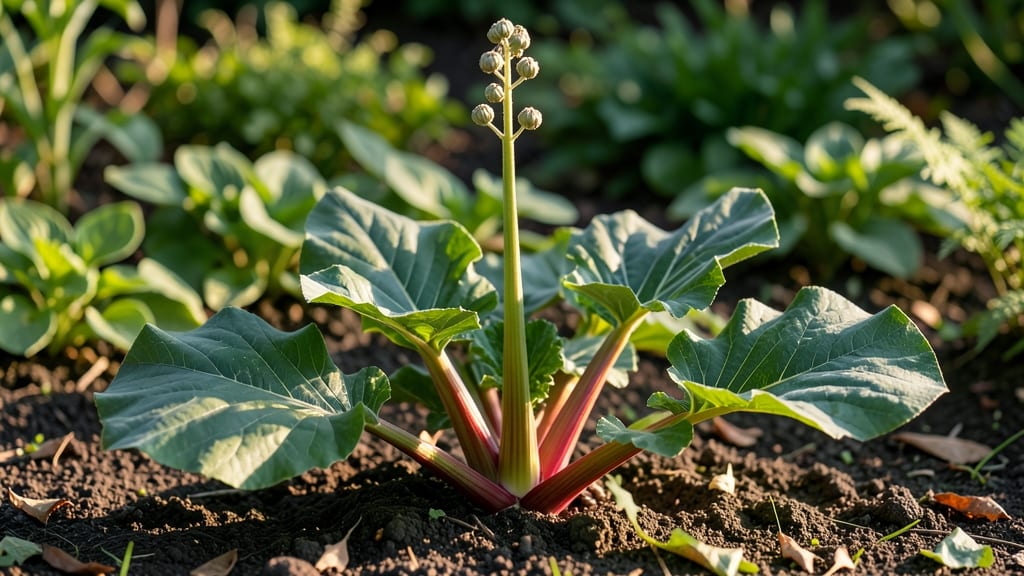
Harvesting rhubarb plant seed pods is the secret to growing your own plants without the hassle of buying new ones. 🌱 Those little orange clusters hide the future of your garden—if you know how to handle them right.
Most gardeners miss this step entirely, but with just a few minutes of care, you’ll have seeds ready for next spring’s planting.
The key is patience and timing: wait until the seed pods turn a deep orange-brown and start splitting open naturally. Twisting them off too early ruins the seeds inside, while waiting too long means they scatter on the ground.
Once you’ve got them, spread them out to dry in a cool, dark place for about two weeks—no fancy equipment needed, just a paper towel and a quiet corner.
When you’re ready to plant, these homegrown seeds will give you sturdy, disease-resistant rhubarb plants that thrive in your exact soil conditions. No more struggling with weak store-bought starts—just healthy, productive stalks in just a few years.
The best part? You’ll never have to buy rhubarb plants again once you master this simple trick.
Works perfectly for gardeners in zones 3-8, though colder climates may need a head start indoors. The process is foolproof once you know the right steps—no green thumbs required. Let’s get those seeds growing!
📚 In This Guide
- What you need
- Instructions
- Tips and common mistakes
- Wrapping up and next steps
What you need
- ● Mature rhubarb plants: At least 2-3 healthy, well-established plants (3+ years old) with visible seed pods (typically appear in late summer/fall).
- ● Seed pods: 5–10 fully ripened pods (turn brown/dry and split open naturally). Pro tip: 💡 Harvest when pods crack open—this ensures optimal seed freshness!
- ● Sharp pruning shears or scissors: Clean, sterilized tools (rubbing alcohol wipe) to avoid disease transfer.
- ● Paper towels or newspaper: For drying seeds (absorbent and lint-free).
- ● Small paper envelopes or airtight containers: Labeled with the plant variety and harvest date (e.g., "Victoria Rhubarb – 2024").
- ○ Fine-mesh sieve or sifter: To separate seeds from chaff (optional but helpful for bulk harvests).
- ● Desiccant packets: For long-term seed storage (keeps moisture out).
- ● Hand lens or magnifying glass: To inspect seed quality before storing.
- ● Notebook or seed journal: Track pod locations, ripening stages, and germination notes.
- ● Spray bottle with water: For gentle cleaning of stubborn seed clusters.
- ○ Seed germination kit: (Optional) If testing viability with a simple soil test.
- ● Patience! Seed pods take 2–3 years to mature after planting.
- ● A warm, dry environment (60–70°F) for seed drying (avoid humidity!).
- ● Access to organic matter (compost or peat) for future planting prep.
Step-by-Step guide to harvesting rhubarb seed pods without twisting the stems
Here's how to collect viable seeds next season without damaging your plants.
🌱 Step 1: Identify and Locate Mature Seed Pods
Look for seed pods forming in late summer or early fall—these appear as small, round, green structures along the stems. They start firm and gradually soften as they mature. I check my plants every 3-5 days starting in August, feeling for pods that are plump but still slightly firm to touch.
Don't wait until they turn brown or split open—they'll release seeds prematurely. If you see any pods already cracked or drying out, harvest those first. I always wear gloves when handling rhubarb stems, as the sap can irritate skin.
✂️ Step 2: Harvest Pods Using a Clean, Sharp Pruner
Use a sterilized pruner to snip the stem just above the seed pod—never twist or pull. Twisting risks damaging the plant's vascular system, which can lead to rot or stunted growth. Cut at a 45-degree angle about ¼ inch above the pod for better healing.
Place harvested pods in a paper bag (not plastic) to allow airflow. Store them in a cool, dark place like a pantry until fully dry—this usually takes 1-2 weeks. You'll know they're ready when the pods turn papery and easily crumble when pressed.
🌿 Step 3: Extract and Store Seeds Properly
Once dry, gently crush the pods between your fingers over a clean sheet of paper. The seeds will separate from the chaff. I use a fine-mesh sieve to sift out any remaining debris. Store the seeds in an airtight container with a desiccant packet to prevent moisture buildup.
Label the container with the date and rhubarb variety—seeds lose viability quickly. Keep them in a freezer for up to 5 years if you're not planting them immediately. The cold preserves their germination potential.
⏰ Step 4: Prepare Seedlings for Next Season
Start seeds indoors 8-10 weeks before your last frost date using a seed-starting mix. Plant seeds ¼ inch deep and keep the soil consistently moist at 65-75°F. Germination can take 2-4 weeks, so be patient.
Once seedlings have 2-3 true leaves, transplant them to individual pots. Harden them off outdoors for 10-14 days before planting in the garden. Rhubarb seedlings need full sun and well-draining soil—they hate soggy roots.
🌱 Step 5: Maintain Seedlings Through First Year
Water seedlings deeply once a week unless rainfall provides 1 inch of moisture. Mulch with 2-3 inches of organic matter to retain soil moisture and suppress weeds. Avoid harvesting any stalks the first year—let the plant focus on root development.
By the second year, your homegrown rhubarb will produce edible stalks and, with luck, more seed pods for next season. I always mark new plants with stakes so I don't accidentally harvest them prematurely—they're worth the wait!
Tips & tricks for perfect rhubarb seed pod harvesting
These simple strategies will help you collect viable seeds without harming your plants.
Timing is Everything: In Step 1, check your plants every 3-5 days starting in August—this ensures you catch pods at their ideal firmness. I've learned the hard way that waiting too long means cracked pods and lost seeds. Look for pods that are plump but still slightly firm to touch; they should feel like a ripe pea rather than a dried-out husk.
Tool Selection Matters: For Step 2, use a sterilized pruner with sharp blades to make clean cuts at a 45-degree angle. I've tried snipping with scissors, but they crush the stems and make healing harder. A clean cut prevents damage to the plant's vascular system, which is crucial for next year's growth. If you don't have a pruner, clean kitchen scissors will work in a pinch, but sterilize them first with rubbing alcohol.
Drying Strategy: When storing pods in Step 2, paper bags are key—they allow airflow while preventing moisture buildup. I've ruined seeds by storing them in plastic bags, which trap humidity and cause mold. Place the bags in a cool, dark pantry where the temperature stays consistent. You'll know they're ready when they crumble easily between your fingers, usually after 1-2 weeks.
Seed Storage Wisdom: In Step 3, label your seed containers with both the date and rhubarb variety—this prevents mix-ups if you're saving seeds from multiple plants. I've accidentally planted the wrong variety before, and it was a costly lesson! The freezer is your best friend for long-term storage; cold temperatures preserve viability for up to 5 years, though I recommend planting within 2 years for best results.
Pro Tips for Rhubarb Plant Seed Pods
- These simple strategies will help you collect viable seeds without harming your plants.
- Timing is Everything: In Step 1, check your plants every 3-5 days starting in August—this ensures you catch pods at their ideal firmness.
- Tool Selection Matters: For Step 2, use a sterilized pruner with sharp blades to make clean cuts at a 45-degree angle.
Frequently asked questions
Got questions about harvesting rhubarb seed pods or growing from seeds? You’re not alone! Here are some of the most common queries—and their answers—to help you navigate the process like a pro.
Can you harvest seeds directly from store-bought rhubarb?
Nope! Store-bought rhubarb is typically grown from sterile, seedless varieties (like Rheum rhabarbarum), so it won’t produce seed pods. For seeds, you’ll need to grow wild rhubarb (Rheum palmatum) or other ornamental rhubarb species with seed-bearing flowers. Plant these in your garden first, then harvest the pods later.
How long does it take for rhubarb seed pods to mature?
Seed pods typically form in late spring to early summer after the plant flowers. They’ll mature in 6–8 weeks, turning from green to brown and splitting open when ready. Keep an eye out for dry, papery pods—that’s your cue to collect seeds! Patience is key here; rushing can mean immature (non-viable) seeds.
What’s the best way to store rhubarb seeds for next season?
Once harvested, let the pods dry completely in a cool, dark place for 1–2 weeks. Then, crack them open to release the seeds. Store them in a paper envelope (not plastic!) in the fridge for up to 1 year. Label them with the variety and harvest date to avoid mix-ups. Pro tip: Test a few seeds before storing the whole batch to check viability.
Why aren’t my rhubarb plants flowering or producing seed pods?
Rhubarb needs 3–5 years of maturity before flowering, but other factors can delay it:
- Age: Young plants (under 2 years) focus on leaf growth, not flowers.
- Nutrients: Low phosphorus can stunt blooms—add bone meal to the soil.
- Light: Partial shade may reduce flowering; aim for full sun (6+ hours/day).
- Variety: Some culinary rhubarb (like ‘Victoria’) rarely produce seeds. Opt for ornamental rhubarb for seed pods.
Are there alternatives to growing rhubarb from seed?
If seeds seem tricky, consider:
- Crown division: Split mature rhubarb crowns in early spring for identical plants.
- Rhizome cuttings: Dig up healthy roots, cut into 3-inch sections, and replant.
- Buy young plants: Nurseries sell seed-grown rhubarb (like ‘Cherry’ or ‘Strawberry’) for a head start.
Wrapping up and next steps
Growing rhubarb from seed pods is a rewarding journey that unlocks a fresh, organic harvest for seasons to come! By mastering twist-free harvesting and proper seed storage, you’re not just preserving nature’s bounty—you’re investing in a self-sustaining garden. 🌱
Ready to plant your future crop? Start by marking your calendar for next spring, prepping your soil, and giving those saved seeds the care they deserve. Your patience today will blossom into tangy, vibrant rhubarb tomorrow!