
Companion Plants
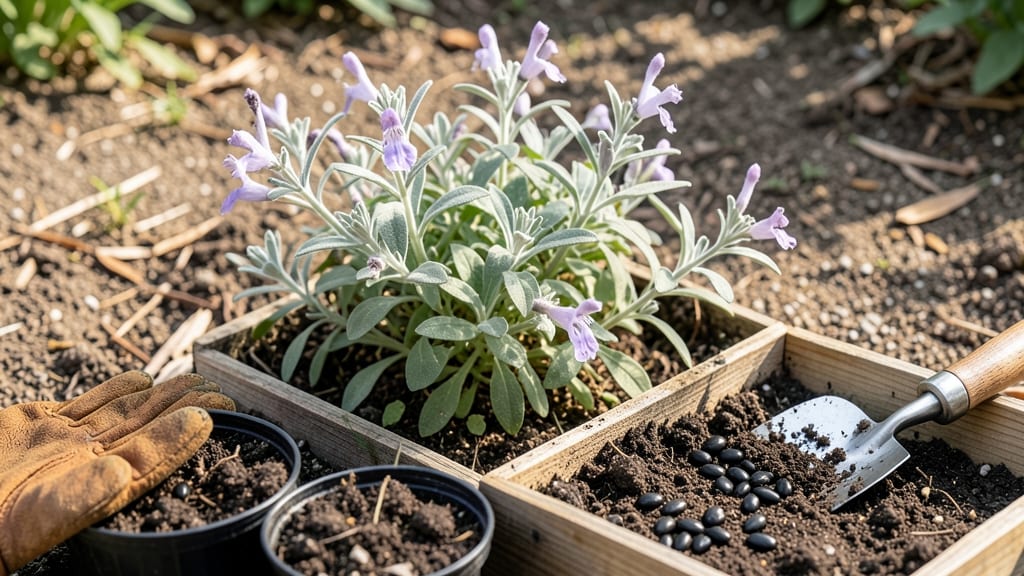
Growing chia seed plants from seed isn’t just about patience—it’s about unlocking fast, healthy starts that turn into lush, productive plants. 🌱 I’ve learned the hard way that chia seeds need specific conditions to break dormancy, and once they do, they grow shockingly quickly.
The secret lies in the right soil mix, temperature control, and a little trick with cold stratification that most guides skip.
You’ll need a well-draining seed-starting mix (no garden soil here—chia hates soggy roots), a clear plastic dome or bag to create humidity, and a spot with consistent warmth (around 75°F).
The first true leaves appear in 7-10 days, and by week 3, you’ll have sturdy seedlings ready for transplanting. This isn’t the slow, finicky process some plants make it out to be—chia seeds either wake up or they don’t, and when they do, they grow with surprising vigor.
What you end up with is a thriving plant that produces those iconic white flowers and, eventually, the seeds we all know. The plants stay compact (12-24 inches tall), making them perfect for small spaces or containers.
Plus, they’re drought-tolerant once established, so watering becomes a non-issue after the first few weeks. Whether you’re growing for culinary chia seeds or just love their delicate blooms, this method works for both indoor starts and outdoor plantings. Here’s how to get those first sprouts popping without the guesswork.
📚 In This Guide
- What you need
- Instructions
- Tips and common mistakes
- Wrapping up and next steps
What you need
- ● Chia seeds: Organic, non-GMO seeds (1–2 lbs for planting). Pro tip: 💡 Choose seeds labeled for planting, not just consumption!
- ○ Containers: Shallow trays (10–12 inches wide) or pots with drainage holes (3–5 inches deep). Optional: Use recycled containers like yogurt cups with holes poked in the bottom.
- ● Potting mix: Lightweight, well-draining soil blend (e.g., cactus/succulent mix or 50% potting soil + 50% perlite/sand). Skip: Heavy garden soil—chia hates soggy roots!
- ● Watering can or spray bottle: Fine mist setting for gentle hydration.
- ● Sunlight access: A sunny windowsill (6+ hours/day) or grow lights (12–14 hours/day).
- ○ Gloves: Optional but helpful for handling soil and seeds.
- ● Small hand trowel: For gentle soil adjustments.
- ● Humidity dome or plastic wrap: Keeps seedlings cozy during germination.
- ○ Fertilizer (optional): Balanced liquid fertilizer (5-5-5 NPK) or compost tea for established plants.
- ○ Companion plants (optional): Basil, mint, or marigolds to deter pests.
Step-by-step instructions for growing chia seed plants
Here's how I get chia seeds to sprout reliably—no fancy tools, just patience and the right conditions.
🌱 Step 1: Soak Seeds for Optimal Germination
Place 1 tablespoon of chia seeds in a small bowl and cover them with 2 tablespoons of warm water. Let them soak for 12-24 hours—this softens the hard outer shell and kickstarts germination. You'll notice the seeds swell dramatically, some even forming tiny "feet" that cling together.
Don't skip this step. Chia seeds have a tough outer coating that slows water absorption. Soaking ensures every seed gets the moisture it needs to break through quickly. After soaking, drain any excess water using a fine-mesh strainer and let the seeds sit uncovered for 10 minutes to prevent mold.
💧 Step 2: Prepare the Growing Medium
Fill a shallow container with a mix of 50% potting soil and 50% perlite or coarse sand. This blend drains well while retaining enough moisture for delicate chia seedlings. Moisten the mix until it feels like a wrung-out sponge—damp but not soggy.
Chia plants prefer loose, airy soil that mimics their native desert conditions. Pack the mix lightly but firmly, leaving a ¼-inch-deep depression in the center. The goal is to create a cozy bed where seeds can push through without resistance. Tap the container gently on the table to settle the soil evenly.
☀️ Step 3: Plant and Maintain Ideal Conditions
Sprinkle the soaked chia seeds evenly across the prepared soil, spacing them about ½ inch apart. Lightly press them into the surface—just enough to make contact but not bury them. Cover the container with a clear plastic lid or plastic wrap to trap warmth and humidity.
Place the container in a spot with bright, indirect light (a north-facing window works best). Chia seeds germinate fastest at 70-75°F. Check daily for condensation on the plastic—wipe it off to prevent fungal growth. You should see tiny green sprouts in 5-7 days, though some seeds may take up to 10 days.
🌿 Step 4: Thin and Transition to Full Light
Once seedlings reach 1 inch tall (about 2-3 weeks after planting), carefully thin them to 2 inches apart using small scissors or your fingers. Remove weaker seedlings at the base, leaving the healthiest ones. This prevents overcrowding and gives roots room to grow.
After thinning, remove the plastic cover and move the container to a location with 4-6 hours of direct sunlight daily. Chia plants need plenty of light to develop strong stems and prevent leggy growth. Rotate the container a quarter turn weekly so all sides receive even exposure. You'll know they're thriving when leaves turn a vibrant, deep green.
🪴 Step 5: Transplant and Encourage Flowering
When seedlings have 4-6 true leaves (about 6-8 weeks after sowing), transplant them into individual 6-inch pots filled with well-draining cactus/succulent mix. Handle the delicate stems gently—chia roots are shallow but sensitive to disturbance.
Water sparingly after transplanting, allowing the top ½ inch of soil to dry between waterings. Chia plants are drought-tolerant but won't flower without consistent moisture. Once established, they'll produce striking white or pink flowers on 12-18 inch stalks. Deadhead spent blooms to encourage more flowers and prevent self-seeding if you don't want volunteer plants popping up everywhere.
Tips & tricks for fast, healthy chia seed starts
Took me a while to figure these out, so here goes—these little details make all the difference with chia seeds.
Soaking Strategy: The 12-24 hour soak is non-negotiable, but here's the secret: use warm (not hot) water—around 90°F. This speeds up hydration without cooking the seeds. After soaking, spread them on a paper towel for those 10 minutes to dry slightly. This prevents mold while keeping them moist enough to germinate. I've ruined batches by skipping this drying step!
Temperature Matters: Those 70-75°F germination temps are critical—this is their native desert range. If your home runs cooler, place the container on top of your fridge (not inside) to create a warm microclimate. Too cold? Germination slows dramatically, and you might see mold instead of sprouts. A simple thermometer helps monitor this without guesswork.
Light Transition: When moving seedlings to direct sunlight in Step 4, do it gradually. Start with 2 hours of direct sun on the first day, then increase by 1 hour daily. This prevents sunburn on delicate leaves. I learned this the hard way after seeing seedlings turn white and crispy—like they'd been left in a tanning bed!
Thinning Technique: For Step 4's thinning, use a pair of clean, sharp scissors to snip seedlings at soil level rather than pulling. This reduces shock to the remaining plants. Space them 2 inches apart—any closer and they'll compete for nutrients, leading to weak stems. I now keep a small pair of scissors dedicated just to this task for hygiene.
Pro Tips for Growing Chia Seed Plants
- Took me a while to figure these out, so here goes—these little details make all the difference with chia seeds.
- Soaking Strategy: The 12-24 hour soak is non-negotiable, but here's the secret: use warm (not hot) water—around 90°F....
- Temperature Matters: Those 70-75°F germination temps are critical—this is their native desert range. If your home run...
Frequently asked questions
Got questions about growing chia seed plants? You’re not alone—chia is a fascinating but sometimes tricky companion to cultivate! Here are answers to the most common queries to help you succeed.
How long does it take for chia seeds to germinate?
Chia seeds typically germinate in 7–14 days when planted in optimal conditions (warm soil, consistent moisture, and indirect sunlight). Patience is key—keep the soil damp but not soggy, and avoid disturbing the seeds until sprouts appear!
Can chia plants survive winter or do they need to be replanted yearly?
Chia is an annual plant, meaning it completes its life cycle in one season and won’t return the next year. If you love your chia, save seeds from mature plants to replant in spring. In colder climates, grow chia in containers and bring them indoors during frost.
What can I plant alongside chia seeds for better growth?
Chia thrives with companion plants like basil, marigolds, or lettuce, which deter pests and improve soil health. Avoid planting near onions or garlic—their strong scents may inhibit chia’s growth. Rotate crops yearly to prevent soil depletion and keep your garden vibrant!
Why are my chia plants wilting or turning yellow?
Wilting or yellowing chia leaves often signal overwatering, underwatering, or nutrient deficiencies. Check soil moisture—chia prefers it slightly dry between waterings. Yellow leaves may also mean too much nitrogen; balance with phosphorus-rich fertilizers (like bone meal) for healthier blooms.
Can I grow chia seeds indoors without a garden?
Chia seeds grow well in containers with 6+ hours of sunlight (or a grow light). Use well-draining soil, keep humidity moderate, and rotate pots occasionally for even growth. Just ensure your space stays warm (60–75°F) and draft-free for best results.
Wrapping up and next steps
Growing chia seed plants is a rewarding journey that combines simplicity with big results—whether you're nurturing them for their stunning blooms, companion planting benefits, or even fresh seeds!
With the right soil, patience, and a little care, you’ll soon enjoy thriving plants that attract pollinators and boost your garden’s health. 🌱
Ready to take the next step? Start small—try a few pots or a dedicated garden bed—and watch your chia seeds transform into vibrant, resilient plants. Happy growing! 🌟