
Propagation
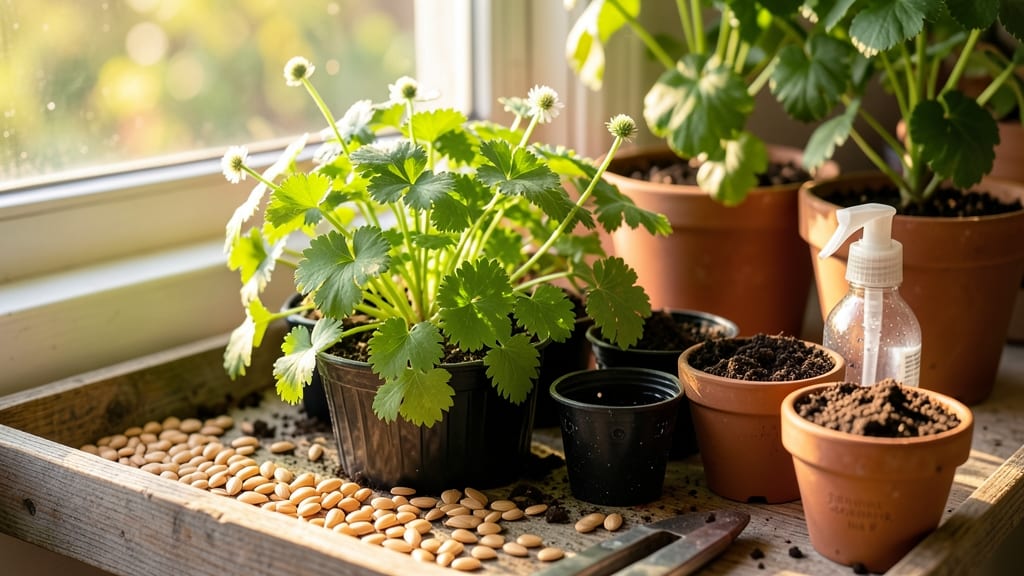
Growing cilantro from seed in pots means fresh, flavorful leaves whenever you want—no more bolting frustrations or store-bought disappointment. ✨ I learned the hard way that cilantro thrives in cool weather and small spaces, but it’s the twist-free harvesting technique that keeps it producing for months.
The secret lies in shallow planting, consistent moisture, and the right container size.
You’ll need a 5-7 inch pot (or deeper for long-term growth), well-draining potting mix, and a sunny windowsill or balcony. Cilantro seeds germinate in 5-10 days when kept moist and warm, but they hate heat—once it gets above 75°F, they bolt faster than you can say "salsa."
A 50/50 mix of potting soil and compost gives them the nutrients they crave without weighing down the roots.
By the time you’ve snipped your first harvest, you’ll notice the plants stay bushier and greener than store-bought. The key is harvesting leaves from the bottom up—never pulling whole stems—so the plant keeps growing instead of flowering.
Even in small pots, cilantro can produce enough for 2-3 servings per week if you stay on top of watering and pruning.
This method works year-round in containers, whether you’re growing on a kitchen counter or a rooftop garden. The only real challenge is keeping it from bolting, but with these tricks, you’ll enjoy fresh cilantro without the bitterness or wasted effort. Let’s get those seeds planted!
📚 In This Guide
- What you need
- Instructions
- Tips and common mistakes
- Wrapping up and next steps
What you need
- ● Cilantro seeds: 1–2 packets (organic or heirloom varieties like ‘Santo’ or ‘Calypso’ for bold flavor).
- ● Containers: 4–6-inch diameter pots (minimum 2–3 per seed packet) with drainage holes.
- ● OR a seed tray with individual cells (for organized germination).
- ● Potting mix: 2–3 bags of high-quality, well-draining organic soil (avoid garden soil—it’s too dense!).
- ● Watering can or spray bottle (with a fine mist setting for delicate seedlings).
- ● Grow lights or sunny windowsill: 6+ hours of indirect light daily (or a LED grow light for 12–14 hours if indoors).
- ● Plant labels: Small sticks or markers to track varieties (cilantro bolts quickly—keep notes handy!).
- ● Seed-starting soil (sterile and lightweight for germination).
- ● Biodegradable seedling pots (no transplant shock!).
- ● Fertilizer: Balanced liquid fertilizer (5-5-5) or compost tea (diluted to half-strength).
- ● Shade cloth (30–50%) if growing in hot climates (cilantro hates heat!).
- ● Humidity dome or plastic wrap (to retain moisture during germination).
- ● Pruning shears (for harvesting—snip stems to encourage bushier growth!).
Step-by-Step instructions for growing cilantro from seed in pots
Here’s how to grow cilantro that stays lush and flavorful—no bitter bolting or twisty stems in sight.
🌱 Step 1: Prepare Pots and Soil for Optimal Germination
Use 4-inch diameter pots with drainage holes—cilantro roots are shallow but hate soggy soil. Fill each pot halfway with a mix of 50% potting soil and 50% perlite for excellent drainage. I always moisten the mix until it’s damp like a wrung-out sponge, but not dripping. This prevents seeds from washing away or sitting in waterlogged soil, which causes rot.
Gently press the soil down to remove air pockets. The surface should be firm enough to hold a seed in place but still loose enough for tender roots to penetrate. I like to tap the pots on the counter once to settle everything evenly—this ensures consistent moisture distribution later.
🌱 Step 2: Sow Seeds Correctly for Even Growth
Sprinkle 3-4 cilantro seeds per pot, spacing them about ½ inch apart. Press them just below the soil surface—no deeper than ¼ inch—since cilantro seeds need light to germinate. Cover lightly with a thin layer of soil, then mist with a spray bottle until the surface is barely damp. Overwatering now will bury the seeds too deep and delay sprouting.
Place the pots in a warm, shaded spot (around 70-75°F) until germination. A seedling heat mat helps if your home runs cooler. You’ll see tiny sprouts in 7-14 days—don’t be impatient and move them too soon. Once they reach 1 inch tall, thin to the strongest 2 plants per pot by snipping the extras at the base with scissors.
☀️ Step 3: Provide the Right Light to Prevent Bolting
Cilantro bolts (goes to seed) when stressed by heat or light deprivation. Move pots to a sunny windowsill (south or west-facing) or under grow lights for 6+ hours of light daily. If leaves start stretching or turning yellow, your light is insufficient. I keep my grow light 4 inches above the plants and raise it as they grow to maintain that distance.
Watch for purple stems or flower buds—these are early signs of bolting. If you see them, trim immediately and move the pot to a cooler spot (below 70°F). Regular harvesting also prevents bolting by encouraging new growth. Pinch off flowers as soon as they appear to redirect energy into leaf production.
💧 Step 4: Water and Fertilize for Maximum Flavor
Water cilantro at the soil level (never overhead) to avoid fungal diseases. Keep the soil evenly moist but not soggy—stick your finger in ½ inch deep. If it feels dry, water until moisture reaches the bottom of the pot. Overwatering causes root rot, while underwatering leads to bitter leaves. I water every 2-3 days in summer and 3-4 days in winter, adjusting for humidity.
Feed plants every 4-6 weeks with a balanced liquid fertilizer (10-10-10) diluted to half strength. Too much nitrogen makes leaves grow fast but lose flavor. I also add a tablespoon of compost tea monthly for micronutrients. Harvest leaves regularly (every 1-2 weeks) to encourage bushier, more flavorful growth.
✂️ Step 5: Harvest and Maintain for Year-Round Greens
Harvest cilantro by snipping stems just above a leaf node (where leaves meet the stem). This encourages branching and prevents leggy growth. Use clean scissors or fingers—never pull leaves, as this damages the plant. For the freshest flavor, harvest in the morning when oils are most concentrated.
To extend the harvest, cut back bolt-resistant varieties (like ‘Slow Bolt’ or ‘Calypso’) by ⅓ when they start flowering. This tricks the plant into producing more leaves. If your cilantro bolts completely, pull it and replant—cilantro self-seeds easily, so you’ll have a new crop in 2-3 weeks. With this method, I’ve kept cilantro growing in pots for 6+ months without bolting.
Tips & tricks for perfect year-round cilantro
Here's what nobody tells you about keeping cilantro thriving in pots—these tricks have saved my harvests from bolting and bitter flavors.
Soil Mix Secret: The 50-50 potting soil and perlite ratio in Step 1 isn't just about drainage—it's about aeration. I've found that adding a handful of coarse sand (optional) to this mix improves root penetration even more, especially for containers. This prevents the compacted soil that causes those twisty stems we all hate. The key is maintaining that "wrung-out sponge" moisture level; I test it by squeezing a handful—if water drips, it's too wet.
Germination Game-Changer: In Step 2, that ¼-inch depth for seeds is critical, but here's the part they skip: after sowing, place pots in a plastic bag (with holes for airflow) to create a mini greenhouse. This raises humidity around the seeds, speeding germination from 14 days to just 5-7 days while keeping them warm. Remove the bag once sprouts appear—just don't let them touch the plastic, or you'll risk mold.
Light Positioning: The 6+ hours of light in Step 3 is non-negotiable, but I've learned the hard way about light quality. South-facing windows work, but west-facing windows can cause afternoon heat stress. If using grow lights, position them 4 inches above and use full-spectrum bulbs—cool white LEDs alone won't prevent bolting. I rotate my pots weekly to ensure even growth, which prevents that lopsided look where plants lean toward the light.
Harvesting Hack: When harvesting in Step 5, I've found that cutting stems at a 45-degree angle just above a leaf node (rather than straight across) encourages more branching. This creates bushier plants that produce 30-50% more leaves over time. Plus, I always harvest in the morning after dew has evaporated—this prevents fungal spores from spreading through the cut stems when I handle them.
Pro Tips for Growing Cilantro From Seed In Pots
- Here's what nobody tells you about keeping cilantro thriving in pots—these tricks have saved my harvests from bolting...
- Soil Mix Secret: The 50-50 potting soil and perlite ratio in Step 1 isn't just about drainage—it's about aeration. I'...
- Germination Game-Changer: In Step 2, that ¼-inch depth for seeds is critical, but here's the part they skip: after so...
Frequently asked questions
Got questions about growing cilantro from seed in pots? You’re not alone—this fragrant herb can be a little finicky! Here are answers to the most common questions to help you grow lush, twist-free cilantro all year round.
How long does it take for cilantro seeds to germinate in pots?
Cilantro seeds typically germinate in 7 to 14 days when kept in warm, moist soil (around 65–75°F). For faster sprouting, soak seeds overnight or use a heat mat. Patience is key—don’t overwater, or you’ll risk mold. If nothing emerges after 2 weeks, try fresh seeds or adjust moisture levels.
Why does my cilantro bolt (go to seed) so quickly?
Cilantro bolts due to heat, drought, or overcrowding. To delay bolting:
- Harvest leaves frequently to encourage bushier growth.
- Keep soil consistently moist but not soggy.
- Use shade cloth (30–50%) in hot climates.
- Choose slow-bolting varieties like ‘Santo’ or ‘Calypso’.
If it bolts, save seeds for next season or enjoy the flowers for garnishes!
What’s the best pot size for cilantro?
Start with 4–6 inch pots for seedlings, then transplant to 8–12 inch containers when roots emerge from drainage holes. Cilantro has shallow roots, so wider pots (not deep) prevent overcrowding. Use pots with drainage holes to avoid root rot—cilantro hates soggy feet!
Can I grow cilantro indoors without sunlight?
Yes! Place pots near a south-facing window or under grow lights (12–16 hours/day). Cilantro needs 4–6 hours of direct light daily. If leaves turn yellow or leggy, supplement with a grow light. Rotate pots weekly for even growth. A sunny windowsill or a simple LED bulb can keep your cilantro thriving year-round.
What pests should I watch for when growing cilantro in pots?
Common culprits include:
- Aphids: Wipe off with soapy water.
- Spider mites: Mist leaves daily and use neem oil.
- Caterpillars: Handpick or use row covers.
- Fungal issues: Ensure pots drain well and avoid overhead watering.
Inspect leaves regularly—early action prevents infestations! Companion plants like dill or basil can also deter pests.
Pro Tip:
Need a quick fix for slow germination? Try the “paper towel trick”: Place seeds between damp paper towels in a sealed bag for 2–3 days. Once sprouted, transplant into pots. This speeds up growth by 3–5 days!
Wrapping up and next steps
Growing cilantro from seed in pots is a rewarding way to enjoy fresh, flavorful greens without the hassle of bolting—and with just a little patience, you’ll have a thriving herb garden right on your windowsill or balcony! 🌱 Whether you’re a beginner or a seasoned gardener, these twist-free tips ensure a steady harvest all year round.
Now that you’re armed with the right materials and answers to common questions, it’s time to get your hands dirty and watch your cilantro flourish.
Ready to take the next step? Start with a single pot—experiment with varieties, adjust your watering routine, or even share your harvest with friends. Happy growing, and may your kitchen always be filled with the bright, citrusy goodness of homegrown cilantro! 🌿✨