
Lawn
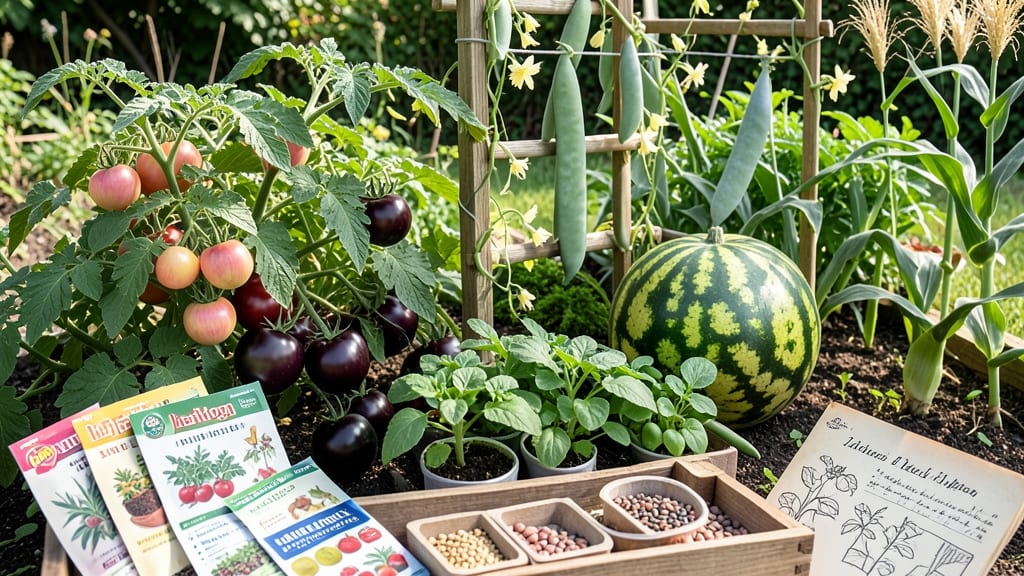
Finding heirloom vegetable seeds that actually grow true to type can feel like hunting for treasure. 🌱 I’ve spent years tracking down companies that specialize in non-GMO, open-pollinated varieties—because nothing beats the flavor or satisfaction of growing seeds passed down through generations.
The right source makes all the difference between a garden full of surprises and one that delivers exactly what you want.
What sets these companies apart? First, their seeds are certified organic and untreated, so you’re not introducing chemicals into your soil. Second, they offer detailed growing guides tailored to your climate, whether you’re in a short-season zone or a hot, dry region.
And third, they prioritize rare and heirloom varieties—think purple carrots, striped tomatoes, or 100-year-old beans—that you’ll never find at big-box stores.
You’ll end up with a stash of seeds that grow vibrant, flavorful, and productive year after year. No need to replant from scratch—just save seeds from your best performers and keep the cycle going.
Plus, many of these companies support small-scale farmers and seed preservation efforts, so you’re growing with purpose.
Ready to skip the grocery store and grow your own? Here’s how to pick the best seeds for your garden—and keep them thriving for seasons to come.
📚 In This Guide
- What you need
- Instructions
- Tips and common mistakes
- Wrapping up and next steps
What you need
- ● Heirloom vegetable seeds: Purchase from trusted heirloom vegetable seed companies (e.g., Baker Creek, Seed Savers Exchange, or High Mowing Seeds). Start with 1–5 varieties based on your garden space.
- ● Seed starting mix: 10–20 lbs of sterile, lightweight potting soil (avoid garden soil—it’s too dense!).
- ● Containers: Biodegradable pots (50–100 count) or seed trays with cells (72–200 cells total).
- ● Grow lights or sunny windowsill: A full-spectrum LED grow light (12–16 hrs/day) or a south-facing window with direct sunlight.
- ● Watering can or spray bottle: With a fine rose nozzle to avoid disturbing seeds.
- ● Plant labels & markers: Waterproof tags or a permanent marker to track varieties.
- ○ Gloves (optional but recommended): For handling seeds and soil comfortably.
- ● Heat mat: For faster germination of slow starters (e.g., tomatoes, peppers).
- ● Humidity dome: To retain moisture during early growth stages.
- ● pH test kit: Ensures your soil is in the ideal range (6.0–7.0 for most veggies).
- ● Fertilizer (organic): A balanced starter fertilizer (5-5-5 or fish emulsion).
- ● Journal or app: To log planting dates, varieties, and growth progress.
How to choose the best heirloom vegetable seed companies for your garden
Finding reliable sources for rare, open-pollinated seeds makes all the difference in growing true-to-type heirlooms.
🌱 Step 1: Identify Your Priorities for Seed Quality and Availability
First, clarify what matters most to you—whether it’s organic certification, seed saving viability, or unusual varieties. Companies like Baker Creek Heirloom Seeds excel in biodiversity, offering over 1,400 rare varieties, while Seed Savers Exchange focuses on preserving endangered heritage crops. I always check their seed saving scores—look for varieties rated 9/10 or higher for reliable germination and true reproduction.
Consider your growing conditions too. Some companies specialize in drought-resistant heirlooms (like Territorial Seed Company), while others prioritize cold-hardy varieties (such as High Mowing Organic Seeds). Jot down your top 3 must-have traits—this narrows your search dramatically.
🌿 Step 2: Compare Organic Certifications and Seed Treatments
If organic growing is a priority, verify whether seeds are USDA Organic-certified or OMRI-listed for organic use. Companies like Southern Exposure Seed Exchange and Fedco Seeds guarantee no neonicotinoid coatings or synthetic treatments, which can harm pollinators and soil microbes. I avoid seeds labeled "treated" unless explicitly for organic farming—those often contain fungicides that persist in the soil.
Check for seed viability guarantees. Reputable suppliers offer 90-95% germination rates and replace seeds if they fail to sprout. Always read the fine print: Baker Creek’s "Money-Back Guarantee" covers germination issues, while Seed Savers Exchange provides detailed growing guides for each variety, which I find invaluable for first-time gardeners.
☀️ Step 3: Evaluate Company Reputation and Customer Reviews
Dig into third-party reviews on platforms like Gardeners.com or Trustpilot—look for patterns in feedback. Companies with 5+ years in business (like High Mowing Organic Seeds, founded in 1988) tend to have more reliable stock. I cross-reference seed swap forums (e.g., GardenWeb) to see if gardeners report consistent availability of the varieties you want.
Watch for red flags: delayed shipments, misleading variety descriptions, or poor customer service responses. A quick search for "[Company Name] + 2024 reviews" often reveals hidden issues. For example, Territorial Seed Company has a reputation for fast shipping and accurate seed counts, while some smaller sellers occasionally underfill packets.
⏰ Step 4: Plan for Order Timing and Seed Saving Strategies
Heirloom seeds sell out fast—place orders by early spring (February-March) for the best selection. Companies like Seed Savers Exchange release limited-edition varieties in January, so set calendar reminders. I prioritize bulk purchases (e.g., 50+ seeds per packet) for varieties I’ll save and share, cutting long-term costs.
Factor in seed storage needs too. Heirloom seeds often require cool, dark conditions (below 40°F) for long-term viability. If you’re new to seed saving, Baker Creek’s "Seed Saving Guide" is a game-changer—it walks you through isolation distances, pollination methods, and drying techniques for each plant family.
🪴 Step 5: Build Relationships with Smaller, Specialty Suppliers
While big names dominate, smaller seed companies often carry true rarities. For instance, Portland Seed Company specializes in Pacific Northwest-adapted heirlooms, and Southern Exposure focuses on Southeastern U.S. heritage crops. These suppliers frequently offer exclusive varieties you won’t find elsewhere.
Supporting smaller operations ensures diversity in the seed gene pool. I’ve found unique tomatoes like ‘Black Krim’ at Richters and exotic peppers at Pepper Palace Seeds—both companies prioritize open-pollinated, non-GMO lines. Consider joining their mailing lists for early access to new releases and seed swap events.
Tips & tricks for selecting the best heirloom seed suppliers
Took me years to refine these strategies—here’s how to avoid common pitfalls when sourcing heirloom seeds.
Prioritize Seed Saving Scores: In Step 1, when evaluating companies like Baker Creek or Seed Savers Exchange, focus on varieties rated 9/10 or higher for seed saving viability. I’ve learned the hard way that lower-rated varieties often produce seeds that don’t come true to type. Always check the company’s specific scoring system—they typically list this in their catalogs or on their websites. This single factor saves you from years of disappointment with inconsistent heirloom traits.
Scrutinize Organic Certifications: Step 2 emphasizes organic certifications, but don’t stop at the label. Look for companies that explicitly state they avoid neonicotinoid coatings and synthetic treatments. I’ve seen seeds labeled "organic" that still contained fungicides—always verify through third-party certifications like USDA Organic or OMRI listings. For example, Southern Exposure Seed Exchange provides detailed treatment information on their website, which I now check religiously before purchasing.
Leverage Company Guarantees: The seed viability guarantees mentioned in Step 2 are your safety net. Baker Creek’s Money-Back Guarantee is particularly valuable for rare varieties, but don’t assume all companies honor it equally. I’ve found that smaller suppliers often have more flexible return policies for germination issues. Always ask about their specific guarantee terms before ordering, especially for limited-edition varieties that might sell out quickly.
Storage Conditions Matter: Step 4 highlights the importance of cool, dark storage below 40°F for long-term seed viability. Between us, I’ve lost entire seed collections by storing them in kitchen cabinets or basements with fluctuating temperatures. Invest in a quality seed storage solution—even a simple mason jar with a desiccant packet in your refrigerator can work for short-term storage. For serious seed savers, consider a dedicated seed vault or vacuum-sealed bags with oxygen absorbers for maximum longevity.
Pro Tips for Heirloom Vegetable Seed Companies
- Took me years to refine these strategies—here’s how to avoid common pitfalls when sourcing heirloom seeds.
- Prioritize Seed Saving Scores: In Step 1, when evaluating companies like Baker Creek or Seed Savers Exchange, focus on varieties rated 9/10 or higher for seed saving viability.
- Scrutinize Organic Certifications: Step 2 emphasizes organic certifications, but don’t stop at the label.
Frequently asked questions
Got questions about heirloom vegetable seeds? You’re not alone! Here are some of the most common queries—and answers—to help you get started with confidence.
What’s the difference between heirloom seeds and hybrid seeds?
Heirloom seeds are open-pollinated, meaning you can save and replant them year after year, preserving the same traits. Hybrid seeds, however, are bred for specific traits (like disease resistance) but won’t produce true-to-type plants if you save their seeds. Heirlooms offer unique flavors, colors, and historical varieties that hybrids often lack!
When’s the best time to order heirloom seeds?
Most companies ship seeds year-round, but late winter to early spring (February–March) is ideal for planning your growing season. If you’re in a warmer climate, you might start earlier! Check the seed packet’s days to maturity to align with your frost dates. Pro tip: Order early for the best selection!
Are heirloom seeds more expensive than conventional seeds?
Yes, heirloom seeds can cost more per packet—typically $2–$5—due to their rarity, organic certification, and smaller production runs. However, you’ll save money long-term by saving seeds from your harvest. Many companies also offer bulk discounts or seed swaps to help offset costs.
Can I grow heirloom vegetables in containers or small spaces?
Many heirloom varieties—like bush beans, cherry tomatoes, or dwarf peppers—thrive in containers, raised beds, or vertical gardens. Look for compact or determinate types labeled for small spaces. Just ensure your containers have good drainage and enough depth (6+ inches for most veggies).
What if my heirloom plants don’t grow like the photos?
Heirloom plants can vary due to genetic diversity, soil conditions, or climate. If your plants underperform, check for pests, water consistency, and sunlight needs. Compare your results to the seed packet’s growing tips. Most companies offer grower support or forums where you can troubleshoot with fellow gardeners!
Wrapping up and next steps
Choosing the right heirloom vegetable seed companies is your first step toward a vibrant, sustainable garden filled with rare, flavorful produce.
These trusted sources not only preserve biodiversity but also empower you to grow organic, nutrient-rich vegetables—right in your backyard! 🌱 Whether you're a seasoned gardener or just starting, your efforts directly support heirloom conservation and a healthier planet.
Ready to take the next step? Start small—pick 2-3 heirloom varieties you love, order your seeds, and dive into the rewarding world of organic gardening. Happy growing! 🌿