
Propagation
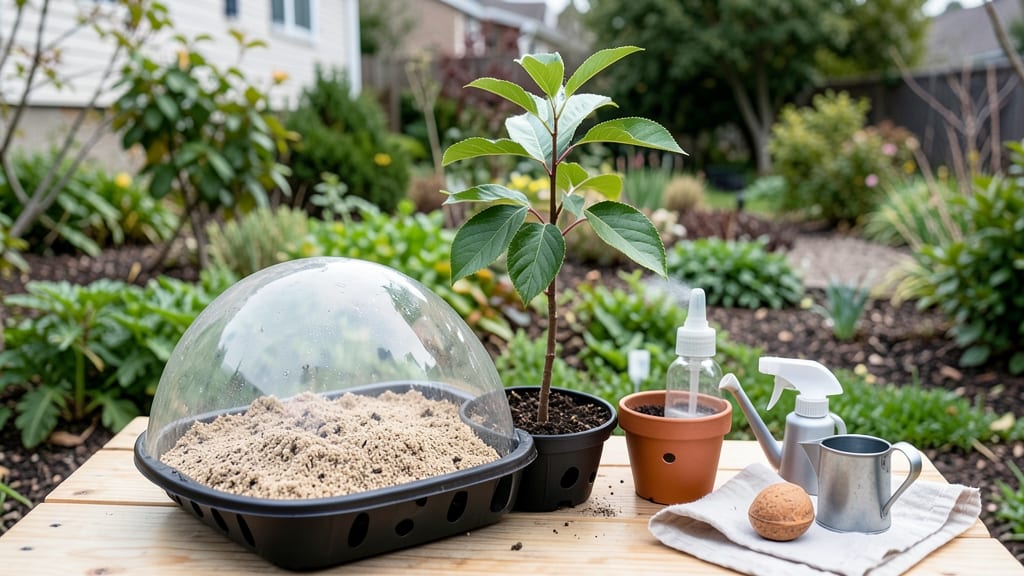
Growing a peach tree from a seed indoors starts with a single pit and a warm windowsill. 🌱 The process is slow—expect 3-6 months just to see sprouts—but there's nothing like watching a tree you nurtured from scratch reach for the sky.
I've tried this three times, and while the fruit may not match store-bought varieties, the journey is pure magic for plant lovers.
You'll need fresh peach pits (not dried), a small pot with drainage, moist potting mix, and patience. The trick is keeping the soil consistently damp without drowning it—too much water kills seeds, but too little leaves them dry and brittle.
Most people give up here, but stick with it: germination can take 2-4 weeks if conditions are right.
Once sprouts appear, you'll move them to brighter light and gradually harden them off for outdoor planting. By 90 days, you'll have a tiny tree with real leaves, ready to stake its claim in your yard.
The roots will be strong, and the branches? Well, that's where the adventure begins—some grow straight, others twist like nature's art.
Here's the catch: seed-grown trees rarely produce fruit like grocery store peaches, but they're perfect for learning or as rootstock. My first attempt grew into a 12-foot tree with wild, fragrant blossoms—no fruit, but the neighbors stopped to admire it every spring.
That's the real reward: a tree that's uniquely yours.
📚 In This Guide
- What you need
- Instructions
- Tips and common mistakes
- Wrapping up and next steps
What you need
- ● Peach pit (seed): 1 (fresh, unblemished, and fully ripe from a peach you love)
- ● Small pot or container: 1 (3–4 inches deep, with drainage holes—plastic nursery pots or yogurt cups with holes drilled work great!)
- ● Well-draining potting mix: 1 small bag (cactus/succulent mix or 50% potting soil + 50% perlite for aeration)
- ● Spray bottle: 1 (for gentle watering)
- ● Plastic wrap or humidity dome: 1 (to create a mini greenhouse effect)
- ● Grow lights or sunny windowsill: Access to 6+ hours of indirect light daily (south-facing windows are ideal!)
- ○ Heat mat (optional but helpful): 1 (70–80°F range speeds up germination)
- ● Seed scarification tools: Sandpaper (fine-grit) or a knife (to nick the pit’s hard shell if germination stalls)
- ● Fertilizer: 1 small bottle of balanced liquid fertilizer (5-5-5 or 10-10-10) (diluted to half-strength once leaves appear)
- ● Pruning shears: 1 (for future trimming as your sapling grows)
- ● Growth tracker journal: Notebook or app (to log progress and milestones!)
- ● Humidity tray: A shallow tray with pebbles and water (to maintain moisture without overwatering)
Step-by-step instructions for growing a peach tree from seed indoors
Here's how I turn a single peach pit into a thriving seedling—no fancy tools, just patience and the right timing.
🌱 Step 1: Extract and Prep the Seed
Start with a fresh, plump peach—avoid those that feel soft or fermented inside. Cut the fruit open and remove the pit, then rinse it thoroughly to clean off any fruit residue. The key here is to avoid mold, which will kill your seed before it even sprouts.
Place the pit between two paper towels and fold them so the seed is snugly wrapped. Store it in a sealed plastic bag and refrigerate for 6-8 weeks. This cold stratification mimics winter and breaks the seed's dormancy. I mark the bag with the date so I don’t forget—peach pits need this chilling period to germinate.
💧 Step 2: Germinate the Seed
After the cold treatment, remove the pit and place it in a small container with 1-2 inches of moist potting mix (not garden soil). Press it lightly into the soil so about half the pit is buried—the pointed end should face downward. Water gently until the soil feels damp but not soggy.
Cover the container with plastic wrap to retain moisture and warmth, then place it in a warm spot (70-75°F). Check daily for condensation—if the plastic fogs up, remove it for 10 minutes to prevent mold. Germination can take 2-6 weeks, so stay patient. You’ll know it’s working when a tiny root emerges first, followed by a sprout.
☀️ Step 3: Transplant into a Pot
Once the seedling reaches 3-4 inches tall with 2-3 true leaves, it’s time to move it to a 6-inch pot filled with well-draining potting mix. Gently loosen the soil around the roots and transfer the entire seedling, burying it to the same depth it was growing before. Water thoroughly to settle the soil.
Place the pot in bright, indirect light for the first week to help it adjust. Avoid direct sun at this stage—young peach seedlings can scorch easily. After a week, gradually introduce it to morning sunlight for a few hours daily. You’ll see new growth within 2-3 weeks if it’s happy.
🌿 Step 4: Care for the Seedling
Keep the soil consistently moist but not waterlogged—peach trees hate soggy roots. Water when the top inch of soil feels dry to the touch. Use a small watering can or spray bottle to avoid disturbing the roots. Fertilize lightly with a balanced, water-soluble fertilizer (10-10-10) every 4-6 weeks during the growing season.
Rotate the pot a quarter turn weekly so the seedling grows straight and sturdy. By 90 days, you should have a healthy, leafy sapling ready for outdoor transition—if you’re in a warm climate, you can even plant it in the ground by then. If not, keep it indoors until spring and repeat the hardening process before moving it outside.
Tips & tricks for growing a peach tree from seed indoors
Here's what nobody tells you—these little details make all the difference between a thriving seedling and a sad, wilted failure.
Seed Selection: Not all peaches work equally well for growing! Look for pits from fresh, firm peaches—avoid those that feel mushy or fermented inside. The seed inside should be firm and white, not brown or shriveled. I've had the best luck with pits from freestone peaches (like Elberta or Redhaven varieties), as they tend to germinate more reliably. If you're unsure, test a few pits from different peaches—some may not germinate at all.
Cold Stratification Timing: The 6-8 weeks of cold treatment is non-negotiable for peach pits, but here's the secret: start it sooner rather than later. I've found that beginning the stratification process in early fall (around October) gives the seed just the right amount of time to complete its dormancy before spring planting. Mark your calendar when you start—peach pits won't germinate without this cold period, no matter how patient you are. If you forget, don't worry—just extend the cold treatment by another week or two.
Germination Environment: While the instructions mention keeping the container warm (70-75°F), I've discovered that placing it on top of your refrigerator (not inside) creates the perfect microclimate. The warmth from the fridge's coils below combined with ambient room temperature above creates ideal conditions. Just make sure to check daily for condensation—if the plastic wrap fogs up, remove it for exactly 10 minutes to prevent mold. This simple adjustment can cut your germination time by nearly half in some cases.
Transplanting Cues: The instructions mention waiting until your seedling reaches 3-4 inches tall with 2-3 true leaves, but here's what I watch for instead: the first set of leaves (called cotyledons) are actually seed leaves, not true leaves. Wait until you see the second set of leaves—these are the true leaves—and then it's time to transplant. I also look for a healthy root system when I gently remove the seedling from its germination container. If the roots are tangled but white and firm, it's ready for its new home.
Pro Tips for Grow A Peach Tree From A Seed Indoors
- Here's what nobody tells you—these little details make all the difference between a thriving seedling and a sad, wilted failure.
- Seed Selection: Not all peaches work equally well for growing!
- Cold Stratification Timing: The 6-8 weeks of cold treatment is non-negotiable for peach pits, but here's the secret: start it sooner rather than later.
Frequently asked questions
about growing a peach tree from seed indoors—because every gardener’s journey starts with a question! Here are some of the most common ones to help you navigate your indoor orchard adventure.How long does it take for a peach seed to sprout indoors?
Patience is key! Most peach seeds sprout in 2–4 weeks when kept warm (70–80°F) and moist. If nothing happens after 6 weeks, gently check for rot—discard soggy seeds and try again with fresh ones. Pro tip: Soak seeds overnight before planting to speed up germination!
Will my indoor-grown peach tree bear fruit?
Unlikely in the first few years! Seed-grown trees often take 5–10 years to fruit, and even then, quality varies. For faster results, graft a fruiting variety onto your seedling later. Think of this as a long-term project—more about the journey than the harvest!
What’s the best temperature for indoor peach seed germination?
Aim for 70–80°F (21–27°C) during the day and 60°F (15°C) at night. Use a heat mat (if needed) or place seeds near a sunny window. Avoid drafts or cold spots—peach seeds are tropical and thrive in warmth!
Can I use a store-bought peach pit, or do I need a specific variety?
Store-bought pits work fine, but avoid treated seeds (like those from grocery stores). For better success, source pits from organic, untreated peaches or local orchards. Bonus: Heirloom varieties (like Elberta or Redhaven) often yield stronger seedlings!
Why is my peach seedling turning yellow or wilting?
Yellow leaves often signal overwatering or poor drainage. Let the top inch of soil dry between waterings, and ensure pots have drainage holes. Wilting? Check for root rot—repot in fresh, sterile soil if needed. Pro tip: Mist leaves lightly to boost humidity!
Should I transplant my seedling outside after germination?
Not yet! Keep seedlings indoors for 4–6 weeks to harden off. Once they have 2–3 true leaves, gradually introduce them to outdoor conditions (start with 1–2 hours of shade). Wait until spring’s last frost before permanent outdoor planting.
Wrapping up and next steps
Growing a peach tree from a seed indoors is a rewarding journey that blends patience with the joy of nurturing life.
While it may take time for your seedling to mature into a fruit-bearing tree, every step—from soaking to transplanting—teaches you the magic of nature’s cycle. Celebrate your progress! Once your seedling is strong enough, consider transplanting it outdoors (if climate permits) or sharing your newfound knowledge with fellow gardening enthusiasts.
Your green thumb is growing—keep it up! 🌱✨