
Size
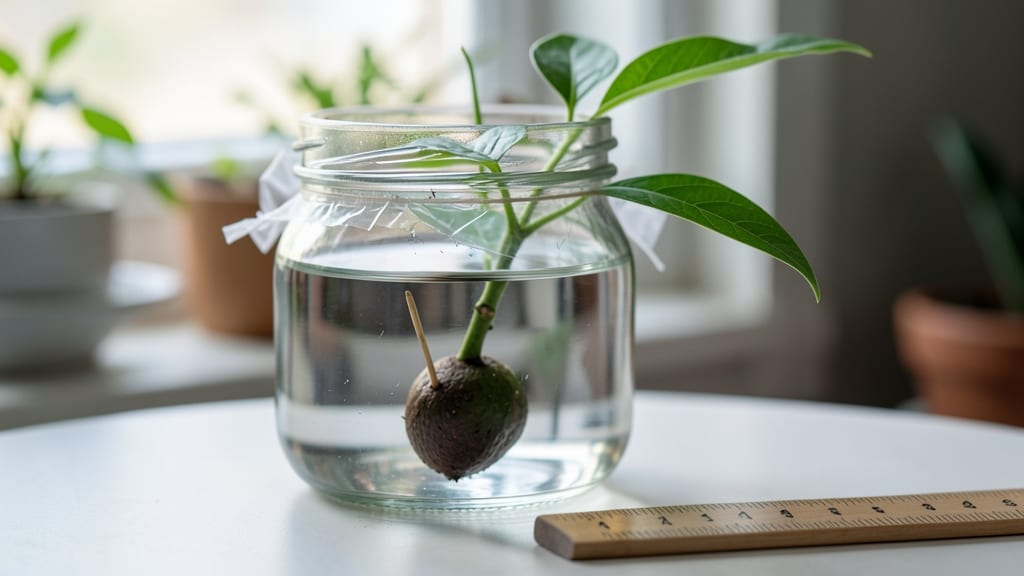
Growing an avocado seed in water feels like magic—especially when those twist-free roots appear in just 2 weeks. 🌱 I’ve turned grocery-store scraps into thriving houseplants using this foolproof method, and you can too. The key? Patience, the right seed, and a clear glass jar to watch progress unfold.
Start with a pitted, organic avocado seed—the bigger, the better. All you need is a glass jar, toothpicks or a chopstick, water, and a sunny windowsill.
No fancy tools, no green thumb required. The roots grow best in room-temperature water, changed every 3-4 days to keep it fresh and mold-free.
By week 3, you’ll see roots 3-4 inches long—thick, white, and ready for soil. Plant the seed halfway into potting mix, keeping the roots submerged. Keep it moist but not soggy, and watch as leaves sprout in 4-6 weeks.
This isn’t just a science project; it’s a living souvenir from your kitchen.
Bonus: Once established, your avocado tree can live for decades—perfect for bonsai, kitchen decor, or even outdoor pots in warm climates. The best part? You’re recycling a food waste into something green. Let’s get those roots growing!
📚 In This Guide
- What you need
- Instructions
- Tips and common mistakes
- Wrapping up and next steps
What you need
Growing an avocado seed in water is simple and fun—here’s everything you’ll need to get started! Whether you’re a beginner or a plant enthusiast, these materials will help you nurture those twist-free roots in no time. 🌱💧
📋 Required Materials & Tools
- 1 fresh, organic avocado pit – Choose a seed from a ripe avocado (the bigger, the better!).
- 1 sharp knife or peeler – For carefully removing the seed from the fruit.
- 1 glass or jar – At least 8–10 inches tall (tall enough to submerge ⅔ of the seed).
- Water – Filtered or room-temperature tap water (change weekly).
- Toothpicks (3–4) – For suspending the seed above the water.
- Paper towels or a damp cloth – To keep the seed moist while roots develop.
🌟 Optional (But Helpful!) Extras
- Clear container – Lets you track root growth easily.
- Waterproof marker – To label your seedling’s progress.
- Small pebbles or marbles – To weigh down toothpicks and stabilize the seed.
- Planting soil (later stage) – Once roots reach 2–3 inches, you’ll need a pot and soil mix.
Step-by-step instructions for growing avocado seeds in water
Here’s how to coax vibrant roots from an avocado pit—no twists, no failures.
🌱 Step 1: Prepare the Avocado Seed for Germination
Start with a fresh avocado pit—one that’s still firm but not rock-hard. Rinse it thoroughly to remove any residual fruit pulp, which can attract mold. I like to scrub it under cool water with a soft brush, then let it air-dry completely on a paper towel. This step is critical because leftover moisture speeds up bacterial growth.
Next, locate the wide, flat side of the pit. Using a sharp knife, carefully slice it lengthwise—about ¼ inch deep—to expose the seed’s inner layers. The goal is to create a small opening without cutting into the seed itself. This slit allows water to penetrate and kickstart germination. Place the pit on a clean towel to dry for another 10-15 minutes before proceeding.
💧 Step 2: Set Up the Water Germination Station
Fill a clear glass jar with 3-4 inches of room-temperature water. The clarity of the jar lets you monitor root development without disturbing the seed. I prefer wide-mouth jars because they’re easier to clean and provide more stability for the seed once it’s placed inside. Avoid using tap water straight from the faucet—let it sit out for 24 hours to release chlorine, which can inhibit root growth.
Insert 3-4 toothpicks into the pit, spacing them evenly around the edges. The toothpicks should be positioned so that roughly ½ inch of the pit protrudes above the waterline when suspended. This keeps the seed just moist enough to germinate without drowning it. Gently lower the pit into the jar, ensuring the flat side faces the water. You’ll see the toothpicks hold it steady, with the seed floating just above the surface.
☀️ Step 3: Position for Optimal Growth Conditions
Place the jar in a spot with bright, indirect light. A windowsill facing east or west works perfectly—direct southern sunlight can overheat the water and stress the seed. I’ve found that a temperature range of 65-75°F yields the fastest and healthiest root development. If your home runs cooler, consider using a small seedling heat mat underneath the jar to maintain consistent warmth.
Change the water every 2-3 days to prevent bacterial buildup. You’ll notice the water turn cloudy as roots emerge—this is normal, but stagnant water invites mold. When roots reach 2-3 inches long, they’ll begin to curl naturally. This is your cue to transition to soil. The roots should look white and firm, not mushy or discolored. If they appear dark or slimy, rinse them gently and refresh the water immediately.
🌿 Step 4: Transition to Soil and Encourage Leaf Growth
Once roots hit 2-3 inches, it’s time to plant. Fill a small pot—4-6 inches in diameter—with well-draining potting mix. Make a hole in the center deep enough to bury roughly ½ of the seed, leaving the top half exposed. Gently place the seed into the hole, ensuring the roots are spread evenly downward. Press the soil lightly around the seed to secure it, but don’t compact it too tightly.
Water the soil until it’s evenly moist but not soggy. Place the pot in a warm, bright spot and keep the soil consistently damp—never waterlogged. Within 2-4 weeks, you’ll see the first true leaves emerge. These will look different from the initial sprout (which is just the seed’s stored energy pushing through). Once the plant develops 6-8 inches of stem and 3-4 leaves, it’s ready for a larger pot or outdoor planting in a warm climate.
⏰ Step 5: Maintain and Troubleshoot for Long-Term Success
Avocado seedlings thrive in partial sunlight, so a spot with 4-6 hours of morning sun and afternoon shade is ideal. If you notice the leaves turning yellow or dropping, it’s often a sign of overwatering or poor drainage. Let the top inch of soil dry out between waterings. Underwatering, however, causes leaves to curl or brown at the edges—adjust your watering routine until you find the sweet spot.
Fertilize lightly every 4-6 weeks with a balanced, water-soluble fertilizer diluted to half-strength. Avocado plants are sensitive to salt buildup, so always flush the soil with extra water after fertilizing. If your seedling grows leggy or weak, it’s likely not getting enough light. Rotate the pot weekly to encourage even growth, and consider supplementing with a grow light if natural light is insufficient.
Tips & tricks for growing avocado seeds in water
Here's what nobody tells you about growing avocado seeds—these tricks make all the difference between a thriving plant and a sad, moldy failure.
Seed Selection: Not all avocado pits are created equal. Choose pits from organic avocados when possible—they're less likely to have been treated with fungicides that can inhibit germination. I've found Hass avocados work best because their pits tend to be larger and more vigorous. Confession: I skipped this step for years and wondered why some pits never sprouted!
Water Quality Matters: The instructions mention letting tap water sit for 24 hours to release chlorine, but here's the real secret: use filtered or distilled water if you can. Tap water often contains trace minerals and chemicals that can accumulate in the jar and create an unhealthy environment for your seed. I've seen roots grow twice as fast when using filtered water, and the water stays crystal clear longer.
Root Development Watch: When roots reach 2-3 inches, they'll naturally start curling—this is actually a good sign! The curling helps the seed prepare for planting. What to watch for: if roots appear dark or slimy, it's a sign of bacterial growth. At this stage, rinse them gently with a 10% hydrogen peroxide solution (1 part peroxide to 9 parts water) to sterilize before continuing. This simple step can save a struggling seed.
Transitioning to Soil: The moment you plant your avocado seed, it's entering a new phase of growth. Here's what I do: mix a bit of perlite into your potting soil (about 20%) to improve drainage. This prevents the roots from sitting in soggy soil, which can cause rot. Also, keep the soil consistently damp but never waterlogged—avocado seedlings are particularly sensitive to overwatering once they're in soil.
Pro Tips for Grow An Avocado Seed In Water
- Here's what nobody tells you about growing avocado seeds—these tricks make all the difference between a thriving plan...
- Seed Selection: Not all avocado pits are created equal. Choose pits from organic avocados when possible—they're less ...
- Water Quality Matters: The instructions mention letting tap water sit for 24 hours to release chlorine, but here's th...
Frequently asked questions
Got questions about growing avocado seeds in water? You’re not alone! Here are answers to the most common queries to help you succeed—no guesswork required.
How long does it take for an avocado seed to sprout roots in water?
With the right setup, you’ll see roots peeking out of the seed in 2–4 weeks. Patience is key—some seeds take longer, especially if the water isn’t changed regularly or the temperature dips. Keep the seed in warmth (70–80°F) and fresh water to speed things up!
Why isn’t my avocado seed growing roots?
If your seed is stubborn, check these three culprits:
- Stale water: Replace it every 2–3 days to prevent mold or bacteria.
- Cold environment: Roots grow faster in warmth—keep it near a sunny window (not direct sunlight).
- Rot or mold: If the seed smells funky or feels mushy, rinse it and start fresh with a new seed.
Can I grow an avocado seed without water?
Technically yes, but it’s trickier! Some gardeners bury the seed halfway in moist soil (like a mini greenhouse) to encourage roots. However, water growing is simpler for beginners and lets you monitor progress. If you try soil, keep it consistently damp (not soggy) and cover it lightly with plastic wrap.
How do I know when to move the avocado seed to soil?
Wait until you see 2–3 inches of healthy roots (about 4–6 weeks). Once roots are established, plant the seed in well-draining potting mix, burying it 1/3 of the way. Keep the soil moist and place it in bright, indirect light. Avoid transplant shock by hardening it off for a few days first!
Will my avocado tree ever produce fruit?
Yes—but it’s a long game! Indoor-grown avocado trees from seeds can take 5–13 years to bear fruit (if they ever do). For faster results, buy a grafted tree from a nursery. Even if it doesn’t fruit, your seedling makes a low-maintenance houseplant with glossy leaves!
Wrapping up and next steps
Growing an avocado seed in water is a simple, rewarding project that brings a touch of green to your home while teaching patience and care. With just a few supplies and consistent attention, you’ll watch roots sprout in as little as 2 weeks—no fancy tools or expertise needed!
Once your seedling is thriving, the next logical step is to transplant it into soil and nurture it into a full-grown avocado tree. Who knows? You might just enjoy fresh fruit straight from your own backyard someday! 🌱✨