
Lawn
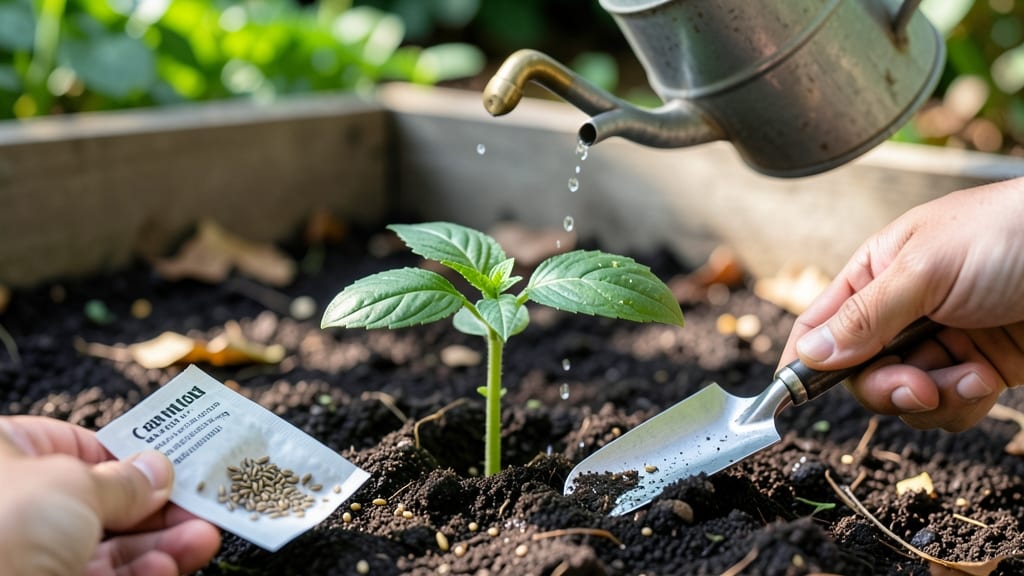
Your seeds won't wait forever for the perfect conditions—soil, seed, and water are the trio that turns dirt into a nursery. ✨ I learned the hard way that even the best seeds need a head start with the right moisture and warmth to break dormancy fast.
The cold-moisture trick isn't just a hack; it's how nature does it, and it works for everything from tomatoes to herbs.
Start with loose, nutrient-rich soil that drains but holds moisture—think crumbly, not compact. Sprinkle seeds just below the surface (never buried deep) and water gently until the top inch stays damp.
Too much water drowns them; too little leaves them parched. A spray bottle or fine mist keeps seeds happy without washing them away.
Within days, you'll see tiny sprouts pushing through, not weeks later. The secret? Consistency. Keep that soil evenly moist (like a wrung-out sponge) until seedlings have two true leaves. This method works for slow starters like peppers or finicky seeds like lettuce—no more waiting months for germination.
Works for containers, raised beds, or in-ground planting. Once you master this, you'll time your harvests like a pro. Ready to grow faster than ever?
📚 In This Guide
- What you need
- Instructions
- Tips and common mistakes
- Wrapping up and next steps
What you need
- ● Seeds: Your chosen cold-hardy seeds (e.g., lettuce, spinach, peas, or grass seed). Check seed packets for specific germination temps—most work best between 35°F–50°F (2°C–10°C).
- ● Quantity: Adjust based on your planting area (e.g., 1–2 lbs for a 10’x10’ patch).
- ● Growing Medium: Potting soil or seed-starting mix: Lightweight, sterile blend (avoid garden soil—it’s too dense!). 1–2 cubic feet per tray or container.
- ○ Optional: Perlite or vermiculite (10–20% mix) for aeration.
- ● Containers: Seed trays with drainage holes (10”x20” for bulk planting) or shallow plastic bins (line with a damp paper towel).
- ● Alternative: Repurposed containers (e.g., takeout trays) with drainage punched in.
- ● Water: Room-temperature dechlorinated water (let tap water sit 24 hours or use filtered water). 1–2 gallons per batch.
- ● Spray bottle (for gentle misting) or a watering can with a fine rose attachment.
- ● Cold Storage: Refrigerator (35°F–40°F / 2°C–4°C) or a cool basement/garage (consistent temps are key!).
- ○ Optional: A seed stratification kit (if you’re prepping large batches long-term).
- ● Gloves (to keep hands clean while handling soil/seeds).
- ● Measuring cup/spoon (for even seed distribution).
- ● Plastic wrap or humidity dome (to retain moisture during cold treatment).
- ● Labeling tags (mark seed types/planting dates!).
- ● Timer or alarm (to track cold-moisture duration—most seeds need 7–14 days).
- ● Grow lights or sunny windowsill (for post-cold germination, if starting indoors).
Step-by-step instructions for fast seed germination with the cold-moisture trick
Here's how to speed up germination using a simple but powerful technique that works for nearly any seed.
🌱 Step 1: Prepare Your Seeds for Soaking
Start by selecting fresh seeds—older seeds germinate slower no matter what trick you use. Place them in a clean bowl and cover them with lukewarm water (about 80°F). Let them soak for 12-24 hours, which softens the seed coat and kickstarts the germination process. You'll see some seeds swell noticeably during this time—that's your first sign it's working.
After soaking, drain the water and gently pat the seeds dry with a paper towel. This prevents mold from forming later. I like to spread them out on a clean towel in a single layer so they don't stick together. If you're working with tiny seeds, use a spray bottle to mist them lightly instead of handling them directly.
💧 Step 2: Create the Cold-Moisture Environment
Fill a shallow container with moistened potting mix—not soggy, just damp enough that a squeeze releases a few drops of water. Press the mix lightly into the container so it's firm but still loose enough for roots to penetrate. The key here is to keep the soil consistently moist without being waterlogged.
Next, create a mini greenhouse effect. Place the container in a plastic bag or cover it with plastic wrap, leaving a small gap for airflow. Store it in a cool, dark spot (like a refrigerator crisper drawer) at 40-50°F for 2-5 days. This cold-moisture phase mimics natural winter conditions, breaking seed dormancy and preparing them to sprout faster once warmed.
☀️ Step 3: Move to Warmth and Light for Sprouting
After the cold treatment, transfer the container to a warm spot (around 70-75°F) and remove the plastic cover. Place it under a grow light or in bright, indirect sunlight. You should see tiny sprouts emerge within 3-7 days, depending on the seed type. Watch for the first signs of green—those little cotyledons pushing through the soil are the most exciting part!
Keep the soil consistently moist but not wet during this phase. Overwatering now can cause damping-off, where seedlings collapse suddenly. A spray bottle works best for gentle hydration. Once you see first true leaves (not just the initial seed leaves), you can transplant them to individual pots or the garden.
⏰ Step 4: Monitor and Maintain Germination Conditions
Check the seeds daily for signs of mold or rot—if you see fuzzy growth, remove the affected seeds immediately and increase airflow. Most seeds will germinate within 1-2 weeks using this method, but some may take longer. If you're working with slow germinators like peppers or some herbs, extend the cold treatment by 1-2 extra days.
Once all seeds have sprouted, thin them if necessary so each seedling has enough space to grow. I like to use small tweezers to carefully remove extras rather than pulling them by hand, which can damage the remaining seedlings. Within a few weeks, you'll have strong, healthy starts ready for transplanting.
Tips & tricks for perfect seed germination with the cold-moisture method
Here's what nobody tells you about making this trick work flawlessly every time.
Soaking Temperature Secret: That lukewarm water at 80°F is non-negotiable—too hot and you'll shock the seeds, too cold and they won't activate properly. I use a thermometer to check my tap water and adjust with a splash of hot or cold water as needed. The goal is to feel like a warm bath, not a sauna.
Cold Treatment Precision: The 2-5 day cold phase is where the magic happens, but timing matters. For fast germinators like lettuce, 2 days is perfect. For slow ones like peppers, lean toward 5 days. I set a timer reminder so I don't forget to move them to warmth—those extra days in the fridge can actually prevent germination if overdone.
Moisture Balance Technique: When checking soil moisture, squeeze it gently—it should feel like a wrung-out sponge, not a dripping wet rag. I use a spray bottle to maintain this level without overwatering. Too much moisture creates anaerobic conditions that kill seeds before they sprout, while too little prevents root development.
Light Transition Strategy: Don't rush to move seeds to light too soon! Wait until you see those first green cotyledons pushing through—this tells you the seed has broken dormancy and is ready for photosynthesis. I place my containers under grow lights on a timer (16 hours on, 8 hours off) to mimic natural daylight cycles during this critical phase.
Pro Tips for Soil Seed And Water
- Here's what nobody tells you about making this trick work flawlessly every time.
- Soaking Temperature Secret: That lukewarm water at 80°F is non-negotiable—too hot and you'll shock the seeds, too cold and they won't activate properly.
- Cold Treatment Precision: The 2-5 day cold phase is where the magic happens, but timing matters.
Frequently asked questions
Got questions about the cold-moisture trick for faster germination? You’re not alone! Here are some of the most common queries—and their answers—to help you get started confidently.
What’s the best time of year to use the cold-moisture trick?
The ideal window is late winter to early spring (February–April in most U.S. zones), when soil temps hover between 35–50°F (2–10°C). This mimics natural spring conditions while giving seeds a head start. Avoid extreme cold (<32°F/0°C) or heat (>60°F/15°C), which can stress seeds.
How long does it take to see germination with this method?
Most cool-season grasses (like fescue or ryegrass) sprout in 7–14 days with the cold-moisture trick, compared to 2–3 weeks under traditional methods. Warm-season grasses (e.g., Bermuda) may take 10–21 days. Check moisture levels daily—seeds need consistent dampness, not sogginess!
What if my soil stays too wet or develops mold?
Drainage is key! If water pools, poke holes in the tarp or use a lightweight fabric (like burlap) instead. For mold, air it out for 1–2 hours daily and avoid overwatering. A 1:1 water-to-soil ratio (by volume) keeps things balanced without suffocating seeds.
Can I use this trick for vegetables or just grass?
The method works for cool-season veggies like lettuce, spinach, or peas—just adjust timing. For grass, stick to seeds (not sod); for veggies, use small seeds (sprinkle finely) and cover lightly with 1/4-inch soil. Warm-season crops (tomatoes, peppers) won’t benefit—save this trick for chill-loving plants!
What if my seeds don’t sprout after 3 weeks?
Don’t panic! First, check viability: Float seeds in water—sinkers are viable. If none sprout, try re-wetting the soil and adding a thin layer of compost for nutrients. If it’s still a bust, test a fresh batch of seeds or consult the packet’s germination rate. Sometimes, seeds just need a little more patience (or a warmer spot).
| Quick Troubleshooting | Fix It With... |
|---|---|
| Seeds sprouting unevenly | Rake soil lightly to redistribute seeds and water. |
| Slow or no germination | Move to a shadier, cooler spot (if too warm) or add a lightweight mulch (straw, not plastic). |
| Fungal growth on soil | Remove affected areas, fluff soil, and reduce watering for 24 hours. |
Wrapping up and next steps
Mastering the soil, seed, and water trifecta with the cold-moisture trick can transform your germination game—giving seeds the perfect head start for lush, healthy growth! 🌱 Whether you're a seasoned gardener or just starting, this method saves time, boosts success rates, and connects you more deeply with the magic of nature.
The next step? Try it yourself! Grab your supplies, test the technique on a small patch, and watch your lawn or garden thrive with confidence. Happy planting!