
Size
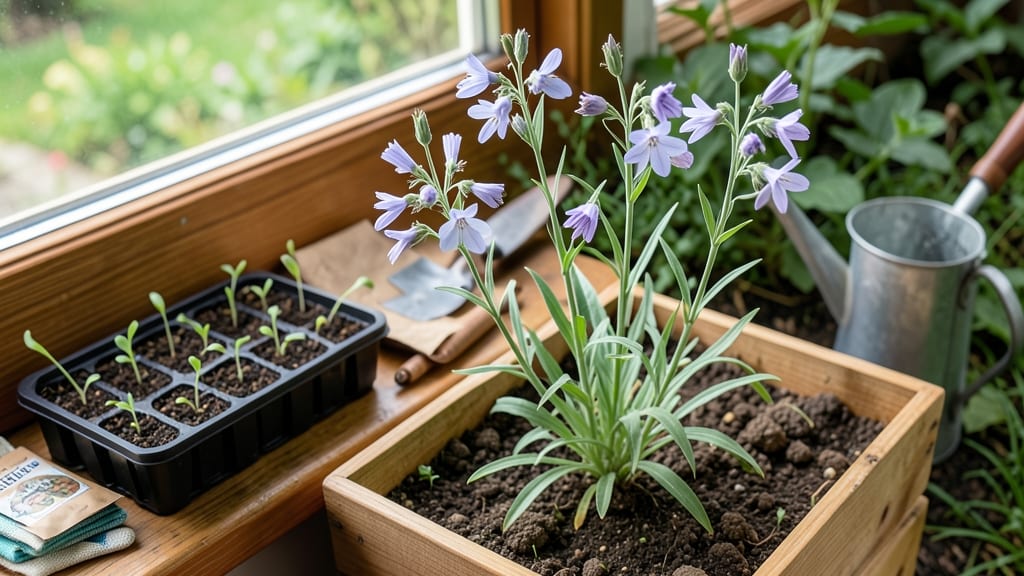
Growing flax seed plants transforms your garden into a dual-purpose powerhouse—soil-building cover crop by day, linen and seed harvest by season's end. 🌱 I planted my first patch after realizing how versatile flax is: it fixes nitrogen, suppresses weeds, and produces seeds for baking or fiber for textiles.
The secret? Starting with the right soil and sunlight balance—flax thrives where many crops struggle. You'll need well-draining soil with a pH between 6.0 and 7.5, and a sunny spot getting at least 6-8 hours of direct light daily.
Flax seeds germinate quickly (5-10 days) but need consistent moisture until established. Space plants 6-12 inches apart in rows 18 inches apart to prevent overcrowding. The key is patience—bolting (premature flowering) happens fast in warm weather, so time your planting for cooler spring or fall.
By midsummer, you'll see tall, slender stems topped with delicate blue flowers that give way to seed pods. Harvest seeds when the pods turn golden-brown and rattle when shaken—this usually takes 90-120 days from planting.
The plants themselves can be cut for fiber before flowering, or left to dry for seed collection. Either way, you're growing something useful at every stage. Troubleshooting is simple: flax resists most pests but may attract aphids—spray with water if you see them.
Overwatering causes rot, so let the soil dry slightly between waterings. For best results, rotate crops every few years to maintain soil health. Ready to grow something that works as hard as you do?
📚 In This Guide
- What you need
- Instructions
- Tips and common mistakes
- Wrapping up and next steps
What you need
- ● Flax seeds: Choose high-quality, organic seeds (e.g., Linum usitatissimum). Buy 1–2 lbs (0.5–1 kg) for a small garden or 5+ lbs (2.5+ kg) for larger harvests.
- ● Growing containers: For direct sowing: Well-draining pots (6+ inches deep) or garden beds with loose, fertile soil.
- ● For indoor sprouting: A shallow tray or mesh sprouting lid with drainage holes.
- ● Potting mix: Lightweight, sterile mix (e.g., 50% peat moss + 50% perlite/vermiculite) or organic compost for outdoor planting.
- ● Watering can or spray bottle: Flax hates soggy roots—opt for gentle watering.
- ○ Fertilizer (optional): Balanced organic fertilizer (e.g., 5-5-5) or compost tea for nutrient boosts.
- ○ Garden twine or stakes (optional): For tall varieties (e.g., fiber flax), use 3–4 ft (1 m) stakes to support stems.
- ● Sunlight: Full sun (6–8 hours/day)—flax thrives in warm, bright conditions.
- ● Temperature: Ideal germination range: 60–75°F (15–24°C). Avoid frost-sensitive seedlings.
- ● Soil pH: Slightly acidic to neutral (6.0–7.0). Test and amend if needed.
- ● Spacing: Seeds: Sow ¼ inch (0.6 cm) deep, 6–12 inches (15–30 cm) apart in rows.
- ● Sprouts: Plant seeds ½ inch (1.3 cm) apart in trays for dense growth.
- ● Pre-soak seeds (for sprouts): Soak flax seeds in water for 4–6 hours before planting to speed up germination.
- ● Thin seedlings: Once sprouts reach 2 inches (5 cm), thin to avoid overcrowding.
- ● Harvest timing: Seeds are ready in 90–110 days; fiber flax matures in 100+ days. Watch for brown, papery seed pods!
Step-by-step instructions for growing flax seed plants
Sunlight-loving flax thrives with minimal fuss—here’s how to cultivate it for seeds or sprouts.
🌱 Step 1: Choose the Right Location and Prepare Soil
Flax plants demand full sun exposure (6-8 hours daily) and well-draining soil. If your garden soil is heavy clay, mix in 2-3 inches of compost to improve aeration and fertility. Flax roots are shallow, so avoid areas with compacted subsoil—this plant hates waterlogged conditions.
Test your soil’s pH before planting. Flax prefers a neutral to slightly acidic range (6.0-7.0). If your soil tests higher, amend with peat moss or sulfur a month before sowing. Work the amendments into the top 6 inches of soil to ensure roots encounter ideal conditions from the start.
🌱 Step 2: Direct-Sow Seeds at the Right Time and Depth
Flax seeds germinate best in cool soil (50-65°F), so plant them outdoors 2-3 weeks before your last frost date. Scatter seeds ¼ inch deep and 6 inches apart in rows spaced 12-18 inches apart. Press them lightly into the soil—flax seeds need good soil contact to sprout reliably.
Thin seedlings to 6-8 inches apart once they reach 2 inches tall. I use scissors to snip unwanted plants at soil level, leaving the strongest stems. This prevents root disturbance and ensures minimal stress for remaining seedlings. Water gently after thinning to settle the soil around roots.
☀️ Step 3: Maintain Consistent Moisture and Fertility
Flax plants are drought-tolerant once established, but they need consistent moisture during germination and early growth. Water 1 inch per week, keeping the soil evenly moist but never soggy. You’ll know moisture is right when the top inch of soil feels damp but not clinging.
Avoid overhead watering after seedlings emerge—wet foliage invites fungal diseases like rust. Instead, water at the base using a drip irrigation system or soaker hose. Side-dress with compost tea or fish emulsion when plants reach 12 inches tall to support flowering and seed production.
✂️ Step 4: Monitor for Pests and Harvest at Peak Maturity
Watch for aphids or flax rust (orange-brown spots on leaves). If aphids appear, blast them off with a strong spray of water. For rust, remove infected leaves immediately and improve airflow by spacing plants 12 inches apart. Flax plants rarely need pruning, but pinch back leggy stems to encourage bushier growth.
Harvest seeds when 75% of pods turn golden-brown and dry. Cut entire stems, bundle them, and hang upside down in a dry, well-ventilated space for 2-3 weeks to fully dry. Rub dried pods between your hands to release seeds, then store them in an airtight container in a cool, dark place.
🌿 Step 5: Prepare for Next Year’s Planting
Flax plants self-seed readily, so you may find volunteers the following spring. If you want fresh starts, collect seeds from the healthiest plants and store them in a labeled envelope. Flax seeds retain viability for 2-3 years if kept dry and cool.
Rotate planting locations yearly to prevent soil-borne diseases. Flax is a great rotational crop—plant it after heavy feeders like corn or tomatoes to replenish nitrogen in the soil. Its deep taproot helps break up compacted earth, improving future plantings.
Tips & tricks for perfect flax seed cultivation
Here's what nobody tells you about growing flax—these tricks will make all the difference in your harvest.
Location and Soil Secrets: Flax plants thrive in full sun, but don't just slap them anywhere. Test your soil's drainage first—flax roots will rot if water pools around them. I've seen gardeners plant in heavy clay without amending, only to watch their flax struggle. The key is that 6-inch soil depth needs to be loose and well-draining. If your soil tests above 7.0 pH, add sulfur a month before planting—it takes time to adjust the pH properly. The goal is to mimic flax's natural habitat where it grows wild in well-drained, slightly acidic soils.
Timing Secret: That 2-3 weeks before last frost window is critical for cool-season germination. I've planted too early when soil was still cold (below 50°F) and seen poor germination rates. Use a soil thermometer to confirm temperatures are in that 50-65°F range before sowing. Pro tip: If your spring comes late, you can actually get a second planting in late summer for fall harvest—just make sure to plant when soil temps drop back below 70°F.
Thinning Technique: When thinning seedlings to 6-8 inches apart, don't just yank them out—use clean scissors to snip at soil level. This prevents disturbing the roots of your remaining plants. I learned this the hard way after pulling seedlings and watching my carefully spaced plants lean toward each other for sunlight. The 2-inch tall mark is perfect for thinning because stems are sturdy enough to handle the snipping but not so woody they'll damage easily. Water gently after to help roots settle.
Harvesting Strategy: That 75% golden-brown pods rule is your target, but don't wait until every last pod is dry. Cut stems when 75% are ready, bundle them, and hang upside down. The remaining pods will dry evenly as the stems continue to cure. I hang mine in my garage with a small fan running to circulate air—this prevents mold while maintaining good airflow. Once completely dry, rub pods between your hands to release seeds, then winnow by tossing them gently in the air to separate seeds from chaff. Store in airtight containers where they'll keep for 2-3 years.
Pro Tips for Grow Flax Seed Plants
- Here's what nobody tells you about growing flax—these tricks will make all the difference in your harvest.
- Location and Soil Secrets: Flax plants thrive in full sun, but don't just slap them anywhere.
- Timing Secret: That 2-3 weeks before last frost window is critical for cool-season germination.
Frequently asked questions
Got questions about growing flax seeds? You’re not alone! Here are some of the most common queries—plus straightforward answers to help you cultivate a thriving crop with ease.
How long does it take for flax seeds to germinate and grow to maturity?
Flax seeds typically sprout within 7–14 days after planting, depending on soil warmth and moisture. From seed to full maturity (ready for harvest), expect 80–100 days in ideal conditions. Early varieties may mature faster (60–70 days), while taller, fiber-focused types take longer. Pro tip: Keep soil consistently moist but not waterlogged to speed up germination!
Can I plant flax seeds too late in the season?
Yes, but timing matters! Flax thrives in cool weather and struggles with summer heat. Plant in early spring or late summer (6–8 weeks before your first frost) for best results. If sowing late, choose early-maturing varieties (like ‘Linette’ or ‘Norlin’) to avoid stunted growth or poor seed quality.
What can I do if my flax plants are wilting or turning yellow?
Wilting or yellowing flax often signals overwatering, drought, or nutrient deficiencies. Check soil moisture—flax prefers consistently damp (not soggy) soil. Yellow leaves may also mean nitrogen deficiency; try a light side-dressing of compost or a balanced organic fertilizer. Pro tip: Thin seedlings to 6–12 inches apart to improve airflow and reduce disease risk!
Are there alternatives to growing flax seeds if I don’t have a garden?
Flax grows well in containers (use pots at least 12 inches deep) or even as a window-sill microgreen. For larger yields, check local community gardens or farmers’ markets for organic flax seeds. You can also buy pre-sprouted flax seeds (like those for smoothies) to skip growing entirely!
Do flax plants attract pests, and how can I protect them?
Flax is generally pest-resistant, but aphids, cutworms, or flax rust fungus can occasionally appear. Prevent issues by rotating crops (don’t plant flax in the same spot yearly) and removing weeds. For organic pest control, spray neem oil or introduce beneficial insects like ladybugs. Pro tip: Healthy soil = healthier plants—add compost to boost natural defenses!
Wrapping up and next steps
Growing flax seed plants is a rewarding journey that boosts your soil health, attracts pollinators, and even yields nutritious sprouts or seeds! With the right sunlight, soil prep, and patience, you’ll enjoy a thriving crop that’s as easy as it is beneficial.
Whether you’re a beginner or seasoned gardener, this sun-loving plant is a fantastic addition to any plot.
Now that you’re armed with the know-how, roll up your sleeves and plant those seeds—your garden (and future flax harvest) will thank you! 🌱 For extra inspiration, check out flaxseed-based recipes or creative ways to use your bounty.