
Propagation
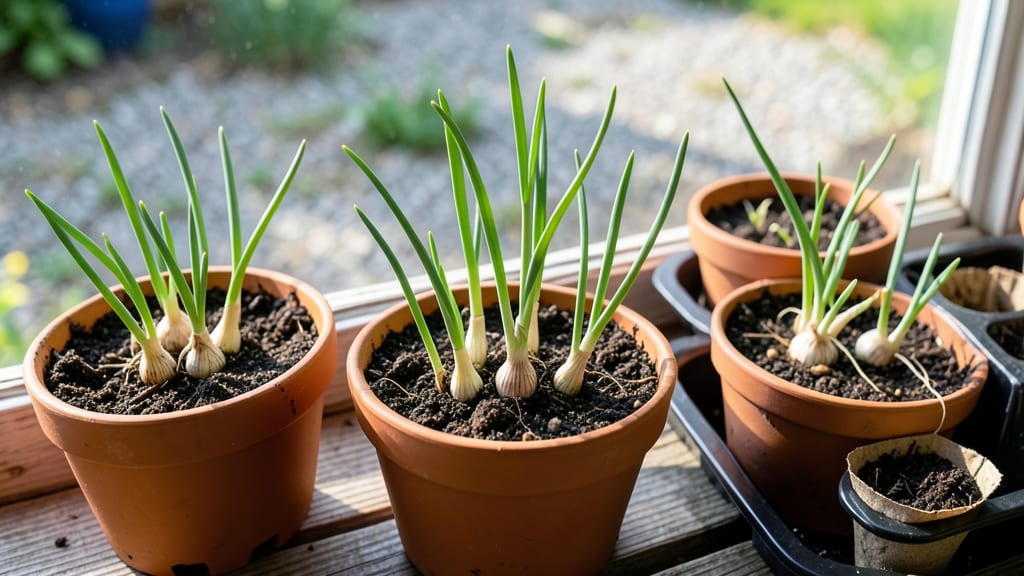
Growing onions from seed in pots delivers harvests in half the time of traditional methods. 🌱 I learned this the hard way after struggling with slow-growing transplants, but once I switched to container seeds, my green onions were ready in just 6 weeks—no waiting for spring starts or crowded garden beds.
The beauty of pot-grown onions is their adaptability: you can grow them on a balcony, windowsill, or patio without sacrificing space. All you need are shallow containers (6+ inches deep), well-draining soil, and 6-8 hours of sunlight daily. No fancy equipment—just patience and consistent moisture.
By the time you’re snipping fresh onions for cooking, you’ll have 10-12 harvests from a single pot. The flavor? Sweeter and more intense than store-bought, with none of the onion breath. Plus, you avoid bolting issues that plague garden-grown varieties.
This method works for green onions, shallots, and even small bulbing onions. Let’s get those seeds planted—your kitchen will thank you.
📚 In This Guide
- What you need
- Instructions
- Tips and common mistakes
- Wrapping up and next steps
What you need
- ● Onion seeds: Choose short-day or intermediate-day varieties (e.g., '1897', 'Red Baron', or 'Sweet Sandwich'). Aim for 1–2 packets (50–100 seeds total) per pot.
- ● Containers: Pots with drainage holes, at least 6–8 inches deep and 6–8 inches wide. Use 3–5 pots for a small harvest (or 1 pot per 10–15 plants).
- ● Potting mix: A well-draining, sterile mix (e.g., 60% peat/coir + 40% perlite/vermiculite). Avoid garden soil—it can compact and retain too much moisture.
- ● Watering can or spray bottle: For gentle, even moisture without disturbing seedlings.
- ● Fertilizer: A balanced, water-soluble fertilizer (10-10-10 or 5-5-5) or organic options like fish emulsion or compost tea.
- ● Plant labels: Mark varieties and planting dates to track growth stages.
- ● Grow lights: If starting indoors before last frost, use LED grow lights (12–16 hrs/day) to prevent leggy seedlings.
- ● Heating mat: For faster germination (keep soil at 65–75°F).
- ● Mulch (e.g., straw or shredded leaves): To retain moisture and suppress weeds once transplanted outdoors.
- ● Insect netting: Protects seedlings from pests like onion flies or aphids.
- ● pH test kit: Onions prefer pH 6.0–7.0; adjust soil if needed with lime (raise pH) or sulfur (lower pH).
Step-by-Step instructions for growing onions from seed in pots
Here's how to grow robust onion starts from seed—no transplants needed—and harvest bulbs in just 120 days with minimal space.
🌱 Step 1: Prepare Containers and Seed Starting Mix
Use 4-inch-deep pots (one per onion plant) with drainage holes—onions despise soggy roots. Fill each with sterile seed-starting mix (not garden soil) and moisten until damp but not dripping. I press the mix down lightly with my fingers to create a firm seedbed, which prevents seeds from washing away during watering.
Onion seeds are tiny, so I like to mix them with a pinch of dry sand first. This makes them easier to handle and ensures even spacing. Scatter 3-4 seeds per pot, then cover with a thin layer (⅛ inch) of fresh mix. Gently pat the surface to secure seeds without burying them too deep—onion seeds need light to germinate.
💧 Step 2: Provide Warmth and Consistent Moisture
Place pots in a warm spot (70-75°F)—a seedling heat mat speeds germination if your home runs cooler. Keep the soil evenly moist but never soggy; I water from the bottom by setting pots in a shallow tray of water for 10 minutes, then drain excess. This prevents washing out seeds while ensuring roots stay hydrated.
Germination takes 10-20 days—longer than many seeds because onions are cool-season crops. Once sprouts appear, thin to one strongest seedling per pot using scissors (pulling risks disturbing roots). Watch for first true leaves (the second set after the initial seed leaves) to appear—this signals it’s time to adjust light.
☀️ Step 3: Move to Bright Light and Harden Off
Onion seedlings need 12-14 hours of light daily to prevent leggy growth. I place mine under grow lights (or a south-facing window) with the lamp 3-4 inches above the plants. Raise the light weekly as seedlings grow—onions grow best when light intensity increases gradually. You’ll know they’re getting enough light when leaves are dark green and upright, not stretching toward the source.
After 4 weeks, start hardening off by moving pots outside for 1 hour daily in partial shade. Gradually increase exposure over 10 days to full sun. This toughens seedlings so they survive transplant shock later. If night temperatures dip below 50°F, bring pots indoors temporarily—onions are frost-tolerant but grow best in 60-70°F soil.
🪴 Step 4: Transplant to Larger Pots and Fertilize
When seedlings have 4-5 true leaves (about 6-8 weeks after sowing), transplant to 8-inch pots filled with well-draining potting mix. Handle seedlings by the leaves, not the stems, to avoid damage. Bury the stem up to the first set of leaves—this encourages stronger root growth and larger bulbs. Water deeply after transplanting to settle the soil.
Feed every 2 weeks with a balanced liquid fertilizer (10-10-10) diluted to half strength. Onions are light feeders, so over-fertilizing leads to leafy growth at the expense of bulbs. Watch for yellowing lower leaves—this is normal as bulbs form, but if it spreads upward, reduce watering slightly to signal the plant to focus on bulb development.
⏰ Step 5: Harvest When Leaves Yellow and Flatten
Onions are ready to harvest when top leaves yellow and flatten (usually 120-140 days after sowing). Gently lift the bulb from the pot and let it dry in a shady, well-ventilated spot for 1-2 weeks. Cure onions at 70-80°F—this toughens skins and improves storage life. Braid or hang them in small groups to dry evenly.
Don’t rush harvesting—bulbs left too long in pots may rot. If you live in a humid climate, dry onions indoors on a wire rack. Once fully cured, store in a cool (50-60°F), dry place where they’ll keep for 6-8 months. The first harvest is the sweetest, but you can replant seeds in fall for a smaller winter crop.
Tips & tricks for growing onions from seed in pots
Here's what I learned after growing onions from seed for years—these tricks cut down on common pitfalls and speed up your harvest.
Light Intensity Matters: In Step 3, when you're adjusting that grow light, keep the lamp 3-4 inches above the plants and raise it weekly as they grow. Onions need bright, direct light to prevent leggy growth, but too much intensity too soon can scorch delicate seedlings. I use a simple rule: if the leaves start stretching toward the light, it's time to raise the lamp. The goal is 12-14 hours of light daily—this is non-negotiable for bulb development.
Thinning Strategy: When you thin to one seedling per pot in Step 2, use sharp scissors to snip at soil level rather than pulling. This prevents disturbing the remaining seedling's roots. I've found that seedlings left too close together compete for nutrients, resulting in smaller bulbs. If you're short on space, you can thin slightly later (after 2 weeks) but expect slightly smaller harvests.
Temperature Troubleshooting: The 70-75°F warmth requirement in Step 2 is crucial for germination. If your home runs cooler, invest in a seedling heat mat—it's a small cost for faster results. For night temperatures below 50°F, bring pots indoors temporarily. Onions are frost-tolerant but grow best in 60-70°F soil, so if you're in a cooler climate, consider starting seeds indoors and moving them outside only after the last frost.
Harvest Timing: In Step 5, those 120-140 days can feel like forever, but don't rush! The yellowing and flattening leaves are your clear signal. If you harvest too early, bulbs won't store well; if you wait too long, they may rot in pots. For a quick check, gently lift a bulb—if it's about the size of a golf ball, it's ready. In humid climates, dry onions indoors on a wire rack to prevent mold during the 1-2 week curing process.
Pro Tips for Grow Onions From Seed In Pots
- Here's what I learned after growing onions from seed for years—these tricks cut down on common pitfalls and speed up your harvest.
- Light Intensity Matters: In Step 3, when you're adjusting that grow light, keep the lamp 3-4 inches above the plants and raise it weekly as they grow.
- Thinning Strategy: When you thin to one seedling per pot in Step 2, use sharp scissors to snip at soil level rather than pulling.
Frequently asked questions
Got questions about growing onions from seed in pots? You’re not alone! Here are some of the most common queries—and their practical answers—to help you succeed like a pro.
How long does it take for onion seeds to germinate in pots?
Onion seeds typically take 10–21 days to germinate, depending on temperature and moisture. Keep the soil consistently moist (not soggy!) and place pots in a warm spot (around 60–70°F). Patience is key—thin seedlings once they’re 2–3 inches tall to avoid overcrowding.
Can I grow onions in pots indoors year-round?
Yes, but with adjustments! Onions need 12–16 hours of sunlight daily, so supplement with a grow light if natural light is limited. Use well-draining pots (at least 6 inches deep) and maintain cool temperatures (ideally 50–65°F). Avoid overheating—onsions thrive in moderate climates, not tropical ones!
Why are my onion seedlings turning yellow or dying?
Yellowing seedlings often signal overwatering, poor drainage, or pests. Check for:
- Root rot: Ensure pots have drainage holes and avoid waterlogged soil.
- Fungal issues: Space seedlings properly (2–3 inches apart) and use a fungicide if needed.
- Thrips or aphids: Spray with neem oil or insecticidal soap if you spot tiny bugs.
Can I grow green onions (scallions) from seed in pots too?
Green onions are easier and faster than bulb onions—they mature in 6–8 weeks and can be harvested by snipping leaves as needed. Use the same pot setup (well-draining soil, sunlight), but plant seeds ½ inch deep and thin to 2 inches apart. Perfect for beginners!
When is the best time to plant onion seeds in pots?
Start seeds 8–10 weeks before your last frost date (indoors) or direct-sow in early spring or late summer (for fall harvests). Onions prefer cool weather—avoid planting when temps exceed 80°F, as it can stunt growth. Check your local frost dates for timing!
Can I reuse the same pots for multiple onion harvests?
Yes, but sterilize pots first to prevent disease. Clean with a 10% bleach solution (rinse well) or solarize soil by baking it in the sun for a week. Rotate crops annually to maintain soil health—just avoid planting onions (or garlic) in the same pots consecutively.
Wrapping up and next steps
Growing onions from seed in pots is a rewarding and space-efficient way to enjoy fresh, homegrown harvests—even in small gardens or balconies! 🌱 With the right containers, soil, and care, you’ll soon be savoring crisp, flavorful onions straight from your pots.
Whether you’re a beginner or a seasoned gardener, this method proves that big yields start small.
Ready to take the next step? Try experimenting with different onion varieties or even saving seeds from your best harvests for future planting. Happy growing—your kitchen (and taste buds) will thank you! 😊