
Lawn
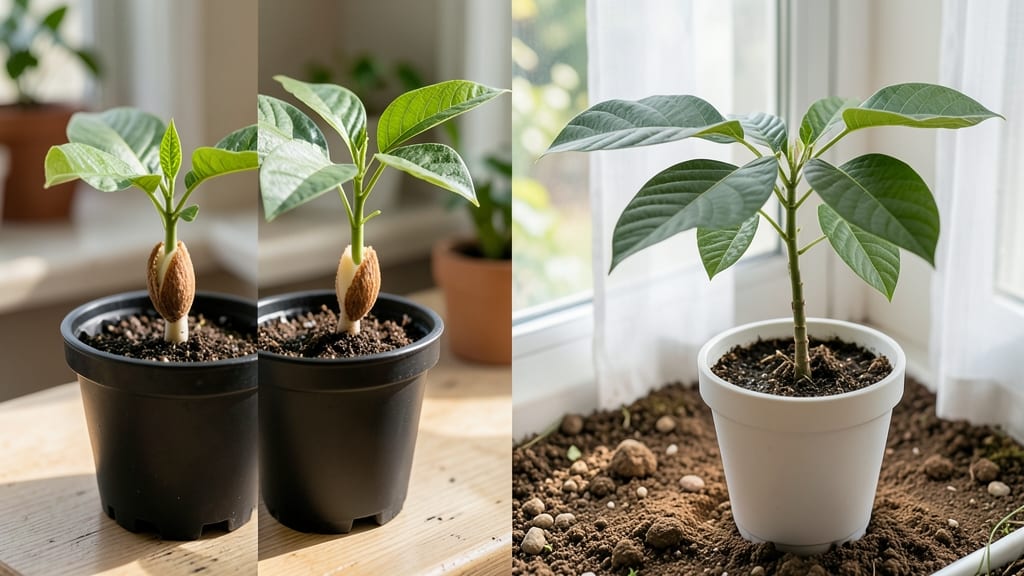
Watching the mango seed growth stages is like unlocking a tiny tropical treasure chest—each phase reveals something new. 🌱 The first 3-4 weeks are all about patience as the seed cracks open, then a delicate shoot pushes through, but knowing what to expect makes the wait feel less like guessing.
I’ve watched my own seeds go from a hard brown shell to a leafy green sapling in just a few months, and the transformation is nothing short of magical.
Once the seed germinates, the real adventure begins with vegetative growth, where your seedling will stretch toward the light and develop its first true leaves.
This stage is where most people lose their plants—usually from overwatering or not enough sunlight—but with the right balance of moist, well-draining soil and bright indirect light, your little tree will thrive.
Think of it as giving your seedling the perfect start, like tucking it into a cozy blanket of soil and sunshine.
By 6-12 months, you’ll see the first signs of maturity: thicker stems, more leaves, and maybe even tiny flower buds forming. This is when the excitement ramps up, but it’s also where challenges like pests or nutrient deficiencies can pop up.
The key is to stay consistent—watering deeply but not drowning the roots, and fertilizing lightly to encourage strong growth without shocking the plant.
If you keep it up, you’ll eventually reach the fruiting stage, where your mango tree could produce its first (and likely small) fruit in 3-5 years. The journey isn’t fast, but every stage—from that first crack in the seed to the promise of a harvest—makes it worth it.
Whether you’re a beginner or just curious, this step-by-step guide will help you nurture your mango seed into a healthy, happy tree.
📚 In This Guide
- What you need
- Instructions
- Tips and common mistakes
- Wrapping up and next steps
What you need
- ● Mango seeds: 3–5 fresh, plump seeds (harvested from ripe, organic mangoes for best results). Pro tip: 💡 Avoid seeds from store-bought mangoes treated with chemicals!
- ○ Small pots or containers: 3–5 biodegradable pots (4–6 inches in diameter) or plastic cups with drainage holes. Optional: 🌿 Use coconut coir pots for eco-friendly planting!
- ● Potting mix: 1–2 bags of well-draining, seed-starting mix (or a blend of 50% peat moss, 30% perlite, and 20% vermiculite). ✨ Avoid garden soil—it’s too dense for sprouts!
- ● Spray bottle: For gentle watering (avoid over-saturating the soil).
- ● Plastic wrap or humidity dome: To maintain moisture during germination.
- ○ Clear plastic bag (optional): For creating a mini greenhouse effect.
- ● Label markers & tags: To track seed varieties and planting dates.
- ○ Fertilizer (optional): A balanced, water-soluble fertilizer (5-5-5 or 10-10-10 NPK ratio) for the seedling stage.
- ● Warmth: A sunny windowsill (70–85°F) or a seedling heat mat (if temperatures drop below 60°F).
- ● Humidity: A humid environment (use a humidity tray or misting bottle daily).
- ● Patience: Germination can take 2–6 weeks—consistency is key!
- ○ Light source (optional): A grow light (12–16 hours/day) if natural light is insufficient.
Step-by-step guide to mango seed germination
Growing mango trees from seed is one of those rewarding projects—here’s how to navigate each growth stage with confidence.
🌱 Step 1: Prepare the Seed for Germination
Start by selecting a fresh, plump mango seed—it should feel heavy for its size. Scrub off any remaining fruit flesh with water and let it dry completely for 24 hours. This prevents mold and rot during the next steps. I like to wrap the seed in a damp paper towel and place it in a sealed plastic bag for 5-7 days—this mimics tropical humidity and kickstarts the sprouting process.
Check the bag daily. You’ll know it’s ready when the seed splits open slightly and a tiny root (¼ inch) appears. This is your signal to move to planting. If the seed stays dry, re-moisten the towel and reseal the bag for another 2-3 days. Patience here prevents damping-off later.
💧 Step 2: Plant the Germinated Seed
Fill a small pot (4-6 inches deep) with well-draining potting mix—mango seeds hate soggy soil. Make a hole about 1 inch deep and place the seed with the root facing downward. Cover it lightly with soil, leaving the top half exposed. Gently press the soil around the seed to secure it without compacting.
Water until the soil feels moist to the touch, but not saturated. Place the pot in a warm spot (75-85°F) with bright, indirect light—like a south-facing windowsill with sheer curtain cover. You’ll see the first true leaves emerge in 2-4 weeks. If the soil dries out completely, the seedling may wilt permanently.
☀️ Step 3: Transition to Light and Transplant
Once the seedling reaches 6 inches tall and develops its first set of true leaves (not the initial seed leaves), it’s ready for a larger pot (8-10 inches). Choose a container with drainage holes and use the same well-draining mix. Dig a hole twice as wide as the root ball and place the seedling at the same depth it was growing before.
After transplanting, water thoroughly and place the pot in bright, direct sunlight for 4-6 hours daily. Mango seedlings need full sun to grow strong. You’ll notice new leaves forming within 2-3 weeks. If the leaves yellow or drop, it’s a sign of overwatering—let the top inch of soil dry out between waterings.
🌿 Step 4: Maintain Growth Through Early Development
By 6 months old, your mango seedling should be 1-2 feet tall with a sturdy stem. This is the time to fertilize lightly with a balanced, water-soluble fertilizer (10-10-10) diluted to half strength. Apply it every 4-6 weeks during the growing season (spring and summer). Avoid fertilizing in winter when growth slows.
Prune any leggy or weak stems to encourage bushier growth. Pinch back the tips of new branches to promote lateral shoots. Keep an eye out for pests like aphids or spider mites—wipe leaves with a damp cloth if you spot them. With consistent care, your seedling will develop into a small tree ready for outdoor planting in 1-2 years.
Tips & tricks for perfect mango seed germination
Here's what I learned after watching dozens of mango seeds fail—these tricks ensure your sprouts thrive from the very start.
Seed Selection Matters: Don't grab any old mango seed! Choose one that's plump, heavy for its size, and free of cracks. I've found that seeds from ripe, organic mangoes (like the Alphonso or Tommy Atkins varieties) germinate most reliably. The heavier the seed, the more stored energy it has for sprouting—this is your first sign of success.
The 24-Hour Drying Secret: That full 24-hour drying period isn't just about preventing mold—it's about teaching the seed to regulate moisture. I used to skip this step, and my seeds would either rot or take forever to sprout. The drying hardens the seed coat slightly, which actually helps it absorb water more efficiently later. Think of it as seed boot camp!
Temperature Control: While the instructions mention warm spots (75-85°F), I've found that consistency matters more than exact degrees. If your home runs cooler, place the seedling near a heat source like a sunny window with a clear plastic cover (like a plastic bag with holes) to create a mini greenhouse effect. The key is keeping it above 70°F—below that, germination slows dramatically.
Light Transition Strategy: When moving your seedling to direct sunlight in Step 3, don't shock it with full sun immediately. Start with 2-3 hours of direct light on the first day, then gradually increase to the full 4-6 hours over 3-4 days. I've seen seedlings get sunburned when moved too quickly—look for pale or crispy leaves as warning signs. The goal is to harden off your little tree just like you would with vegetables!
Pro Tips for Mango Seed Growth Stages
- Here's what I learned after watching dozens of mango seeds fail—these tricks ensure your sprouts thrive from the very start.
- Seed Selection Matters: Don't grab any old mango seed!
- The 24-Hour Drying Secret: That full 24-hour drying period isn't just about preventing mold—it's about teaching the seed to regulate moisture.
Frequently asked questions
Got questions about growing mango seeds?
Here are answers to the most common ones—from germination to troubleshooting—so you can nurture your little mango sapling with confidence!
How long does it take for a mango seed to sprout?
A mango seed typically sprouts within 2 to 4 weeks if kept in warm, moist conditions (around 70–85°F). Patience is key—some seeds may take up to 6 weeks, especially if stored improperly or planted too late in the season. Pro tip: Soak the seed overnight before planting to speed up germination!
Can I grow a mango tree from any seed, or does it matter which one I pick?
You can grow a mango tree from any ripe, healthy seed, but the variety may differ from the parent fruit. For example, a seed from a sweet Alphonso mango might grow into a different-tasting tree. If you want a specific variety, consider buying grafted saplings from nurseries instead.
Why isn’t my mango seed sprouting? What am I doing wrong?
Common culprits include dry soil, poor drainage, or cold temperatures. Ensure your seed stays moist (but not waterlogged), in a warm spot (like near a sunny window or heat mat), and protected from drafts. If mold appears, reduce watering and improve airflow. Troubleshoot: Check for rot—if the seed smells foul, it’s likely overwatered.
Do mango seeds need light to germinate, or should I keep them in the dark?
Mango seeds do not need light to germinate—in fact, they sprout best in dark, warm, and humid conditions. Once the sprout reaches 2–3 inches, you can gradually introduce indirect sunlight. Direct light too soon can scorch the tender seedling.
Can I plant a mango seed outdoors right away, or should I start indoors first?
For best results, start indoors 6–8 weeks before your last frost date (or year-round in tropical climates). Seedlings are delicate and need protection from cold, wind, and pests. Once they’re 6+ inches tall with a sturdy stem, transplant them outdoors in well-draining soil. Bonus: Harden them off by exposing them to outdoor conditions for a few hours daily before the final move!
Wrapping up and next steps
Growing mango seeds into thriving plants is a rewarding journey that blends patience with nature’s magic! 🌱 From soaking to repotting, each stage builds the foundation for a lush, fruit-bearing tree—even if success isn’t guaranteed on the first try. Don’t let setbacks discourage you: experiment with different methods, stay consistent, and celebrate small wins like sprout emergence or sturdy leaves.
Ready to take the next step? Plant your sprouted seeds in well-draining soil and give them the care they need—sunlight, water, and love—to flourish. Who knows? You might just grow your own mango tree from scratch! 🌳✨