
Propagation
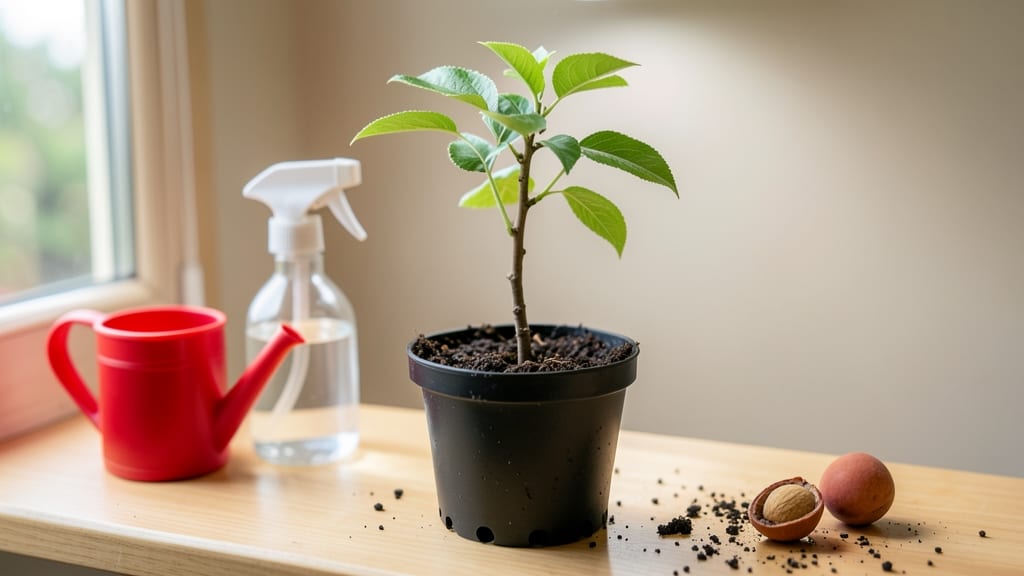
Growing peaches from seed indoors starts with patience and a sunny windowsill. 🌱 The journey from seed to sapling takes months, but the reward is watching your own fruit tree grow from scratch—even if it won’t produce peaches like the grocery store variety.
I’ve nurtured three indoor peach seedlings, and each one taught me something new about growing from seed.
The first step is selecting a fresh, plump peach pit—avoid those that float in water, as they’re often hollow. After removing the pit, dry it for a few days, then refrigerate it for 60-90 days to mimic winter’s cold snap (this breaks dormancy).
Meanwhile, gather a small pot with drainage holes, well-draining soil mix, and a heat mat if your home stays chilly.
Once stratified, plant the pit ½-inch deep in moist soil and keep it warm (70-75°F) until sprouts appear in 4-12 weeks. Light is critical—place your seedling under a grow light for 14-16 hours daily to prevent leggy growth.
Water gently when the top inch of soil dries, and expect slow progress: your seedling may only grow 2-4 inches its first year.
By year three, you’ll see real growth—6-12 inches tall—and can transplant it outdoors (if you live in a warm climate). Remember, peaches grown from seed may take 5-10 years to fruit, and the peaches won’t match the parent tree.
Still, the thrill of watching it grow makes every wait worthwhile.
📚 In This Guide
- What you need
- Instructions
- Tips and common mistakes
- Wrapping up and next steps
What you need
- ● Peach pit (seed): 1-2 fresh, organic pits from ripe peaches (avoid store-bought seeds treated with chemicals).
- ● Small pots or containers: 2-3 (4-6 inches in diameter) with drainage holes. Tip: Plastic or biodegradable pots work great!
- ● Seed-starting mix: 1 bag (sterilized, well-draining soil blend like a 50/50 mix of peat moss and perlite or cactus/succulent soil).
- ● Spray bottle: 1 (for gentle watering).
- ● Plastic wrap or humidity dome: 1 (to create a mini greenhouse effect).
- ● Grow lights or sunny windowsill: Access to 6+ hours of indirect light daily (south-facing window or LED grow lights).
- ○ Heat mat (optional but helpful): 1 (to maintain soil temps between 70–85°F for faster germination).
- ● Fungicide: 1 bottle (to prevent mold if humidity is high).
- ● Fertilizer: Balanced liquid fertilizer (e.g., 10-10-10) for seedlings after sprouting.
- ● Humidity tray: 1 (to boost moisture levels without overwatering).
- ● pH test kit: To ensure soil pH is 6.0–7.0 (peaches prefer slightly acidic soil).
- ● Notebook: To track growth stages and watering schedules!
Step-by-step instructions for growing peaches from seed indoors
Here’s how to turn a single peach pit into a thriving young tree—no green thumb required.
🌱 Step 1: Extract and Prepare the Seeds
Start with fresh, organic peach pits—avoid store-bought varieties treated with fungicides. Cut the pit open lengthwise with a sharp knife, then carefully pry out the single large seed inside. Rinse it under cool water to remove any remaining fruit residue, then let it dry completely for 24 hours. This prevents mold and ensures proper germination.
Here’s the thing—peach seeds have a hard outer shell that needs to soften before sprouting. Place the cleaned seed between two damp paper towels, fold them, and secure with a rubber band. Store in a sealed plastic bag in the fridge for 6-8 weeks. This cold stratification mimics winter conditions, breaking dormancy. Check weekly to ensure the towels stay moist but not soggy.
💧 Step 2: Plant the Stratified Seed
After stratification, fill a 4-inch pot with sterile seed-starting mix (never garden soil—it’s too dense). Moisten the mix until it’s damp but not dripping. Plant the seed 1 inch deep, pressing lightly to ensure good soil contact. Use a spray bottle to mist the surface until evenly moist—don’t overwater, or the seed will suffocate.
Place the pot in a warm, dark spot (like a closet or under a sink) with a seedling heat mat set to 75-80°F. Germination can take 3-6 weeks, so patience is key. You’ll know it’s working when the first tiny white root emerges from the bottom of the pot—this is your signal to move it to light.
☀️ Step 3: Provide Light and Gradual Growth Conditions
Once the seedling breaks through the soil (usually 1-2 weeks after root emergence), transfer it to a bright, indirect light spot. A south-facing window works, but supplement with a grow light if natural light is weak. Keep the light 2-3 inches above the plant and adjust as it grows to prevent leggy stems.
Water when the top inch of soil feels dry, using room-temperature water to avoid shocking the roots. Peach seedlings are sensitive to overwatering—yellow leaves or wilting mean you’re watering too much. Fertilize lightly with a balanced 10-10-10 solution at half strength once the seedling has 3-4 true leaves (not the first tiny cotyledons).
🪴 Step 4: Transplant and Train the Young Tree
When the seedling reaches 6-8 inches tall (usually 4-6 months in), transplant it into a 5-gallon container with well-draining potting mix. Choose a pot with drainage holes and fill it 1 inch below the rim to prevent overflow. Gently remove the seedling, loosen the roots, and place it in the new pot, burying the stem up to the first set of leaves to encourage root growth.
This is the moment that matters: prune the top set of leaves to just above a leaf node to promote bushier growth. Place the pot in full sun (at least 6 hours daily) and continue watering when the soil feels dry 1 inch down. In winter, reduce watering and move the tree to a cool but not freezing spot (ideally 40-50°F).
⏰ Step 5: Prepare for Outdoors (Optional)
If you plan to move the tree outside eventually, start hardening off in late spring. Place the pot outside in a sheltered spot for 1-2 hours the first day, gradually increasing time over 10-14 days. Watch for wilting or leaf scorch—these are signs it’s not ready. Once the tree tolerates full sun and wind, it’s ready for a permanent outdoor spot.
Real talk: Peach trees grown from seed may not produce fruit true to the parent variety, but they’ll develop unique flavors and resilience. Be patient—it can take 3-5 years for a seed-grown peach tree to bear fruit, but the process is rewarding. Keep pruning to shape the tree and fertilize lightly each spring.
Tips & tricks for growing peach trees from seed indoors
Here's what nobody tells you about nurturing your peach seedling from dormancy to a thriving tree.
Stratification Success: The 6-8 week cold stratification period in the fridge is non-negotiable for breaking seed dormancy. I learned this the hard way after trying to rush germination—peach seeds need this winter simulation to trigger sprouting. Place a small dish of water in the fridge with your seed bag to maintain humidity without over-saturating the towels. If you see mold developing, discard the seed and start fresh with a new one.
Germination Watch: Those 3-6 weeks of waiting for germination can feel endless, but the tiny white root emergence is your only signal. I recommend checking daily by gently lifting the pot—you'll notice the root pushing through the drainage holes before the shoot appears above soil level. This root emergence means your stratification worked, and you're ready for the light stage.
Light Management: Once your seedling breaks through soil (usually 1-2 weeks after root emergence), transition carefully to bright indirect light. I use a south-facing window supplemented with a 12-hour grow light cycle to prevent leggy growth. Watch for stems stretching toward light—this means it needs more intensity. Adjust your grow light 2-3 inches above the plant and increase duration gradually to avoid shocking the delicate new leaves.
Transplant Timing: When your seedling reaches 6-8 inches (typically 4-6 months in), it's ready for its 5-gallon container upgrade. This is where most beginners make mistakes—don't rush the transplant. Gently loosen the roots in the 4-inch pot first to minimize shock. Burying the stem up to the first leaves encourages stronger root development below ground. After transplanting, reduce watering slightly for a week to help roots establish in their new home.
Pro Tips for Grow Peaches From Seed Indoors
- Here's what nobody tells you about nurturing your peach seedling from dormancy to a thriving tree.
- Stratification Success: The 6-8 week cold stratification period in the fridge is non-negotiable for breaking seed dormancy.
- Germination Watch: Those 3-6 weeks of waiting for germination can feel endless, but the tiny white root emergence is your only signal.
Frequently asked questions
Got questions about growing peaches from seed indoors? You’re not alone—this process can feel tricky at first! Below, we’ve tackled the most common concerns to help you avoid pitfalls and set your tiny fruit tree up for success.
How long does it take for a peach seed to sprout indoors?
Peach seeds typically sprout in 2–4 weeks if kept in warm, moist conditions (around 70–80°F). Patience is key—some seeds may take longer, especially if they’re dried out. Pro tip: Soak seeds overnight in water before planting to speed up germination!
Will my indoor peach tree actually bear fruit?
Most peach trees grown from seed indoors won’t fruit reliably for years (if ever), because they’re often not true to the parent plant. However, you can enjoy the novelty of blooms and tiny, inedible fruit as a decorative plant. For edible peaches, consider grafting later or buying a grafted tree.
Do I need to provide extra light for indoor peach seeds?
Yes! Peach seeds need bright, indirect light (6–8 hours daily) to germinate. A sunny windowsill or a grow light works best. Once sprouted, seedlings thrive under 14–16 hours of light per day. Without enough light, they’ll grow leggy and weak.
What’s the best temperature for growing peach seeds indoors?
Keep your peach seeds in a warm environment (70–80°F) for germination. Once sprouted, maintain 60–75°F during the day and avoid drafts. If your home is too cool, use a seedling heat mat or place the tray on top of a fridge.
Why did my peach seedling turn yellow or wilt?
Yellowing or wilting usually means overwatering, underwatering, or poor drainage. Let the top inch of soil dry out between waterings, and ensure the pot has drainage holes. Pests (like spider mites) or fungal issues (from excess moisture) can also cause problems. Check leaves for signs and adjust care accordingly.
Wrapping up and next steps
Growing peaches from seed indoors is a rewarding journey that combines patience, care, and a touch of green-thumb magic! 🌱 While it may take time for your seedling to mature into a fruit-bearing tree, every step—from scarification to transplanting—builds your skills as a plant parent.
Once your sapling is thriving, consider gradually acclimating it to outdoor conditions (if climate permits) or keeping it as a stunning houseplant.
Ready to take the next step? Experiment with other fruit seeds like apricots or plums, or explore advanced indoor gardening techniques to keep your green space flourishing year-round. Happy growing! 🌟