
Propagation
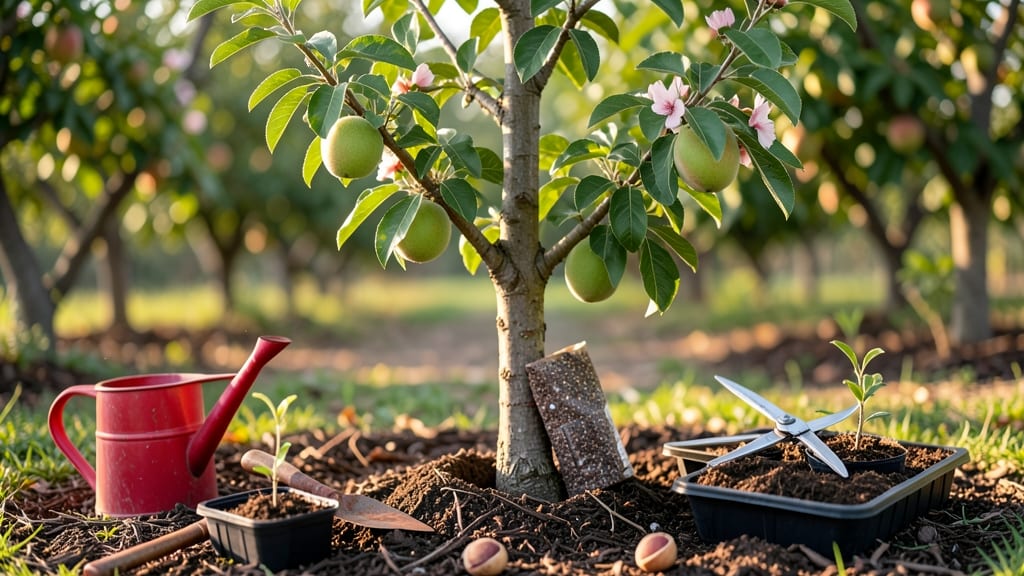
Growing a peach tree from seed to fruit is a 10-year patience test that rewards you with sun-ripened peaches straight from your yard. 🌱 The journey starts with a single pit, but every step—from germination to harvest—teaches you how fruit trees truly work.
I’ve watched my first seedling grow from a 2-inch sprout to a tree heavy with fruit, and the process is far more rewarding than buying nursery trees.
The key to success lies in three critical stages: getting seeds to sprout (which can take 30–60 days), nurturing young trees through their first winter, and mastering pruning to encourage strong structure.
Most people quit after the first year when nothing happens, but those who stick it out see their first peaches around years 4–6. The payoff isn’t just the fruit—it’s the satisfaction of growing something from scratch that most gardeners never attempt.
By the time your tree bears fruit, you’ll have a self-sustaining peach producer that requires minimal care. The peaches might not be as perfect as store-bought, but their flavor—sweet, juicy, and sun-warmed—makes the wait worth every minute.
Plus, you’ll learn skills that apply to any fruit tree, from plums to apricots. This guide covers everything from seed selection to harvest, including how to boost pollination and troubleshoot common issues like poor germination or disease. Let’s get those pits planted!
📚 In This Guide
- What you need
- Instructions
- Tips and common mistakes
- Wrapping up and next steps
What you need
- ● Peach pit (seed): 1-2 fresh, high-quality pits from ripe, organic peaches (avoid hybrid varieties—they may not produce true fruit).
- ● Growing containers: 1 small seed-starting pot (3-4 inches deep) for germination.
- ● 1 larger container (5+ gallons) or nursery pot for seedlings (with drainage holes).
- ● Potting mix: 1 bag of high-quality, well-draining seed-starting mix or a blend of 50% peat moss and 50% perlite/sand.
- ○ Grow lights or sunny windowsill: A full-spectrum LED grow light (optional but recommended for indoor germination) or a south-facing window with 6+ hours of sunlight daily.
- ● Watering can or spray bottle: With a fine mist setting for gentle hydration.
- ● Plastic wrap or humidity dome: To create a mini greenhouse effect during germination.
- ● Fertilizer: A balanced, water-soluble fertilizer (e.g., 10-10-10) diluted to half-strength for young seedlings.
- ● Pruning shears: Small, sharp scissors for trimming seedlings.
- ● Garden soil or transplant mix: 1 bag of nutrient-rich, well-draining soil for outdoor planting (if applicable).
- ● Mulch: Organic mulch (e.g., straw or wood chips) to retain moisture and regulate soil temperature.
- ○ Rooting hormone: To boost germination success (optional but recommended for tricky seeds).
- ● Soil moisture meter: To monitor hydration levels without overwatering.
- ● Tree supports: Stakes or cages to protect young trees from wind.
- ● Pest control: Neem oil or insecticidal soap for early pest prevention.
- ● Cold frame or greenhouse: For extending the growing season in cooler climates.
Step-by-step instructions for growing a peach tree from seed
Here’s how I turn a single peach pit into a thriving tree with fruit—it takes patience, but the process is rewarding.
🌱 Step 1: Extract and Stratify the Seed
Start by carefully removing the pit from a ripe peach—rinse it well to remove any remaining fruit. The seed inside needs a cold stratification period to break dormancy, mimicking winter’s natural cycle. Place the pit in a small plastic bag with a damp paper towel, seal it loosely, and refrigerate for 8-12 weeks. Check it weekly to ensure the towel stays moist but not soggy.
I like to label the bag with the peach variety and date—this helps track progress. After 8-12 weeks, the seed should feel slightly softened when gently squeezed. This is your cue that dormancy is broken and germination is ready to begin.
🌱 Step 2: Plant the Stratified Seed
Once stratified, plant the seed in a 4-inch pot filled with a well-draining seed-starting mix. Press the pit ½ inch deep into the soil, leaving the pointed end up. Water lightly until the soil is evenly moist, but avoid oversaturating—peach seeds rot easily if too wet.
Place the pot in a warm spot (70-75°F) with bright, indirect light. A sunny windowsill or under a grow light works well. You’ll see the first signs of germination in 2-4 weeks—tiny roots breaking through the soil, followed by a shoot emerging.
☀️ Step 3: Transplant and Care for the Seedling
When the seedling reaches 6 inches tall, transplant it into a 1-gallon container with fresh potting mix. Peach trees need space to grow, so avoid overcrowding. Keep the soil consistently moist but not waterlogged—let the top 1 inch of soil dry out between waterings.
Move the seedling outdoors after the last frost, choosing a sunny, sheltered spot with full sun (6+ hours daily). Young trees are sensitive to strong winds, so a protected area helps them establish roots. Fertilize lightly with a balanced 10-10-10 formula in early spring to encourage healthy growth.
⏰ Step 4: Prune and Support for Fruit Production
As the tree matures, prune in late winter to remove dead or crossing branches. Focus on shaping a strong central leader—this ensures a sturdy structure for future fruit. By year 3-5, you’ll see flowers, but fruit may not develop until year 5-7 due to the tree’s slow growth from seed.
Peach trees need cross-pollination for fruit, so plant a second variety nearby if possible. Thin developing fruit to 6-8 inches apart to prevent overcrowding—this ensures larger, healthier peaches. Mulch around the base to retain moisture and protect roots from temperature swings.
🍑 Step 5: Harvest and Maintain for Future Yields
Peaches ripen in late summer—pick them when they’re slightly soft to the touch and release easily from the branch. Store them at room temperature for 3-5 days or refrigerate to extend freshness. Save a few pits from the best fruit to repeat the process for new trees!
After harvest, clean up fallen leaves and debris to prevent disease. Water deeply in dry spells and fertilize again in early spring. With patience, your seedling will grow into a productive tree, offering homegrown peaches for years.
Tips & tricks for perfect peach tree growth from seed
Growing a peach tree from seed is a journey that rewards patience—here's how to avoid common pitfalls and maximize your success.
Cold Stratification Secret: The 8-12 week cold stratification period is non-negotiable for breaking dormancy. I've learned the hard way that skipping this step results in seeds that either refuse to germinate or produce weak seedlings. Place the bag near the back of your fridge where temperatures stay consistently cold. If you're impatient, you can speed up the process slightly by using a seed stratification kit that maintains precise moisture levels.
Germination Environment: Once you've planted your stratified seed in the 4-inch pot, maintaining the right conditions is crucial. The 70-75°F temperature range is ideal for germination, but most home environments don't stay this warm consistently. If your home runs cooler, consider using a seedling heat mat ($15 at garden centers) underneath the pot. This small investment can cut your germination time from 4 weeks to just 2 weeks in some cases.
Transplanting Timing: Waiting until your seedling reaches 6 inches tall before transplanting to the 1-gallon container might seem like a long wait, but it's essential. At this stage, the seedling has developed a strong enough root system to handle the transition. I recommend transplanting on a cloudy day to reduce stress on the young plant. Water thoroughly before and after transplanting to help settle the soil around the roots.
Sunlight Strategy: Peach trees need full sun (6+ hours daily), but young seedlings can't handle intense midday sun. Start them in bright indirect light and gradually acclimate them to direct sunlight over 1-2 weeks. This process, called hardening off, prevents sunburn on tender new leaves. You'll know you're doing it right when the seedling starts showing new growth and the leaves develop a healthy green color rather than turning yellow or brown.
Pro Tips for Peach Tree From Seed To Fruit
- Growing a peach tree from seed is a journey that rewards patience—here's how to avoid common pitfalls and maximize yo...
- Cold Stratification Secret: The 8-12 week cold stratification period is non-negotiable for breaking dormancy. I've le...
- Germination Environment: Once you've planted your stratified seed in the 4-inch pot, maintaining the right conditions...
Frequently asked questions
Growing a peach tree from seed is rewarding but comes with its own set of challenges. Here are answers to some of the most common questions to help you along the way!
How long does it take for a peach tree grown from seed to bear fruit?
A peach tree grown from seed can take 5 to 10 years (or even longer!) to produce fruit. This is because seed-grown trees often take time to mature and may not be true to the parent plant’s traits. Patience is key—think of it as a long-term investment in sweet rewards!
Can I speed up the process of growing a peach tree from seed?
While you can’t drastically shorten the timeline, you can optimize growing conditions to encourage faster growth. Use a heirloom or grafted variety for more predictable results, provide full sun, well-draining soil, and regular watering. Cold stratification (mimicking winter) also helps seeds germinate faster. Still, expect at least 3–4 years before the tree is established enough to fruit.
Will my peach tree produce fruit that tastes like the original peach?
Probably not! Peach trees grown from seed are not true to type, meaning the fruit may differ in flavor, size, or even color. If you want peaches that match the parent tree, consider grafting a known variety onto your seedling later. For consistent flavor, buying a grafted tree is often the better choice.
What are the most common pests or diseases to watch for in young peach trees?
Young peach trees are vulnerable to peach tree borers, aphids, and fungal diseases like brown rot. To prevent issues:
- Inspect leaves and bark regularly for holes or sawdust-like frass (borer sign).
- Apply neem oil or insecticidal soap for pests.
- Prune for airflow and avoid overhead watering to reduce fungal risks.
Do peach trees need a cold period to fruit?
Yes! Peach trees are dormant plants and require 200–600 hours of chilling temperatures (below 45°F/7°C) during winter to set fruit properly. If you live in a warm climate, choose low-chill varieties like ‘Redhaven’ or ‘Elberta’ to improve success. Without enough chill hours, blooms may drop, or fruit production could be poor.
Can I grow a peach tree indoors or in a container?
Peach trees prefer outdoor growing due to their size (15–25 ft tall) and need for deep roots. However, you can try growing a dwarf variety in a large container (at least 20 gallons) with full sun. Keep in mind:
- Limited root space may reduce fruit production.
- Move the container outdoors in spring/summer and bring it inside (to a cool, bright spot) in winter.
- Expect smaller harvests compared to in-ground trees.
Wrapping up and next steps
Growing a peach tree from seed to fruit is a rewarding journey filled with patience, care, and the joy of nurturing life from the smallest beginnings. 🌱 Whether you're a seasoned gardener or a curious beginner, each step—from selecting the right seed to harvesting your first sweet peaches—brings you closer to a bountiful harvest.
Now that you’ve got the knowledge, why not take the next step? Plant your seed today, and in just a few years, you could be savoring the fruits of your labor—literally!
- Start small: Begin with one seedling and expand as you gain confidence.
- Stay consistent: Regular care and attention will ensure your tree thrives.
- Share the joy: Once your tree bears fruit, treat yourself—or your neighbors—to fresh, homegrown peaches!