
Propagation
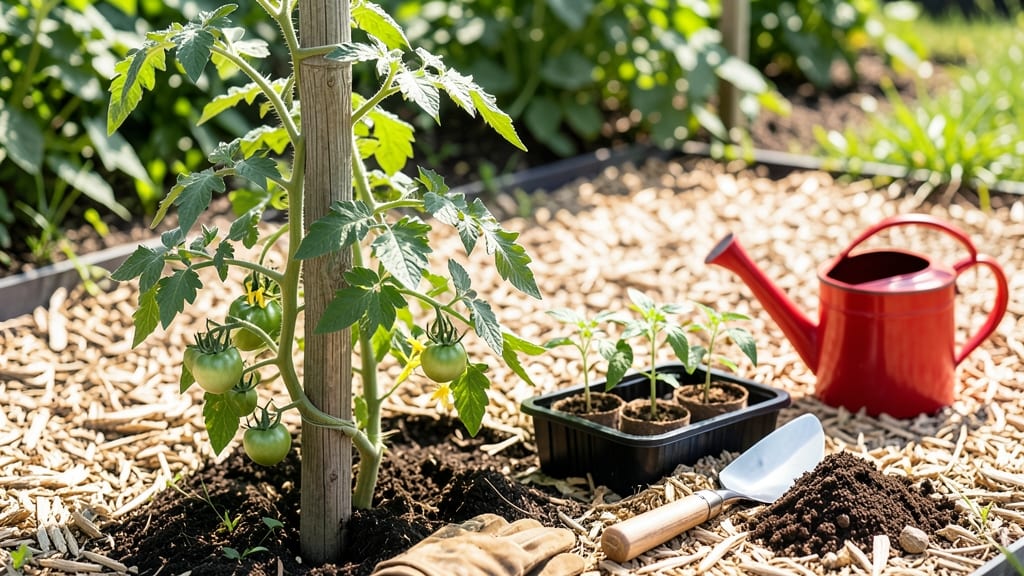
Growing tomatoes from seed outdoors gives you varieties you’ll never find at the store—and a harvest that tastes like summer. 🌱 I’ve grown over 50 tomato plants from seed, and the key to success starts before you even plant: soil warmth, timing, and the right variety for your zone.
The secret isn’t complicated: start seeds 6-8 weeks before last frost in a warm, sunny spot (or under grow lights). Use a lightweight seed-starting mix to prevent damping-off, and keep soil consistently moist but never soggy. Once seedlings have 2-3 true leaves, they’re ready to harden off and transplant.
By day 60, you’ll be pinching suckers and staking plants, watching those first blossoms appear. The payoff? Homegrown tomatoes that outshine store-bought in flavor, texture, and sheer abundance—no greenhouse or fancy equipment needed. Works for determinate (bush) and indeterminate (vining) types, and adapts to containers or in-ground beds.
Here’s how to avoid the most common mistakes and get every seed to thrive.
📚 In This Guide
- What you need
- Instructions
- Tips and common mistakes
- Wrapping up and next steps
What you need
- ● Tomato seeds: Choose heirloom or hybrid varieties suited to your climate (e.g., Cherry, Beefsteak, or Roma). Start with 3–5 seeds per pot for better germination odds.
- ● Seed-starting mix: A lightweight, sterile potting mix (avoid garden soil). A 10–15 lb bag is ideal for 6–12 seed pots.
- ● Seed trays or small pots: Biodegradable peat pots (3–4 inches deep) or plastic cell trays (50–72 cell count) work well.
- ● Grow lights or sunny windowsill: A fluorescent or LED grow light (12–16 inches above seedlings) for 12–16 hours/day, or a south-facing window with direct sunlight.
- ● Watering can or spray bottle: A gentle spray nozzle prevents disturbing seeds.
- ○ Heat mat (optional but helpful): Keeps soil at 70–85°F for faster germination (7.5W–15W mat for trays).
- ● Hardening-off supplies: A shady outdoor spot (e.g., porch or patio) for 1–2 weeks before transplanting.
- ● Garden soil or raised bed: Well-draining, enriched with compost or aged manure (1–2 lbs per square foot).
- ● Stakes or cages: 5–6 ft tall bamboo stakes or tomato cages (4–5 ft diameter) for support (1 per plant).
- ● Mulch: Straw or shredded leaves (2–3 inches thick) to retain moisture and suppress weeds.
- ● Seedling heating pad for faster germination.
- ● pH test kit (ideal soil pH: 6.0–6.8).
- ● Fertilizer (balanced 10-10-10 or organic options like fish emulsion).
- ● Pruning shears for later plant maintenance.
- ● Row covers to protect young plants from pests.
Step-by-step instructions for growing tomatoes from seed outdoors
Here’s how I get strong, disease-resistant tomato plants ready for the garden in just 60 days—no fancy equipment required.
🌱 Step 1: Start Seeds Indoors 6-8 Weeks Before Last Frost
Fill 2-3 inch deep seed trays with a sterile seed-starting mix (never garden soil—it’s too dense and may carry pathogens). Tomatoes germinate best at 75-85°F, so I place the trays on a seedling heat mat. Moisten the mix until it’s damp like a wrung-out sponge, then sow seeds ¼ inch deep, pressing lightly to ensure contact with soil.
Cover the trays with a clear plastic dome or plastic wrap to retain warmth and humidity. Place them in a bright spot—even a south-facing windowsill works—but expect to supplement with a grow light if your home is dim. You’ll see sprouts in 5-10 days. Once 50% of seeds have sprouted, remove the dome immediately to prevent damping-off disease.
☀️ Step 2: Provide 14-16 Hours of Light Daily
Tomato seedlings stretch toward light like teenagers reaching for candy. Without enough intensity, they grow leggy and weak. I use a full-spectrum LED grow light positioned 2-4 inches above the seedlings, raising it as they grow. Strong seedlings have thick stems, deep green leaves, and compact spacing between leaves.
Rotate the trays a quarter turn daily so seedlings grow straight instead of leaning. If you notice seedlings bending toward the light, your light is too far away—move it closer immediately. Without proper light, seedlings never recover and produce weak plants that struggle in the garden.
🪴 Step 3: Harden Off Seedlings 2 Weeks Before Transplanting
Two weeks before your last frost date, start hardening off seedlings by placing them outside in a sheltered, shaded spot for 1-2 hours the first day. Gradually increase outdoor time by 1 hour daily, moving them to brighter conditions over 10-14 days. This toughens stems and prepares leaves for full sun.
Watch for signs of stress—wilting or yellowing means they’re not ready yet. Once seedlings tolerate a full day outside without wilting, they’re ready for the garden. Transplant on an overcast afternoon to reduce transplant shock. Bury stems up to the first true leaves to encourage strong root growth.
✂️ Step 4: Transplant and Support for Maximum Yield
Choose a sunny spot with 6-8 hours of direct sun and well-draining soil. Space seedlings 18-24 inches apart in rows 3 feet apart to allow airflow and reduce disease risk. Water deeply at transplanting to settle soil around roots. Install cages or stakes immediately—tomatoes grow fast, and supporting them early prevents broken stems.
Mulch with 2-3 inches of organic mulch to retain moisture and suppress weeds. Avoid wetting leaves when watering—disease spores thrive in damp foliage. You’ll see new leaves emerge within a week—that’s your signal everything is working. Prune suckers (the small shoots in the joint between stem and branch) regularly to focus energy on fruit production.
💧 Step 5: Maintain Through Fruiting Season
Tomatoes need 1-2 inches of water weekly, delivered at the base of the plant. Let the top inch of soil dry between waterings to prevent blossom-end rot. Feed plants with a balanced fertilizer every 2-3 weeks once flowers appear. You’ll know you’re on track when plants produce healthy green fruit that ripens evenly in color.
Watch for pests like hornworms or aphids—handpick the former and blast the latter off with water. If you see yellowing leaves, check for nutrient deficiencies or overwatering. Harvest tomatoes when they reach full color and slightly soften to the touch. With proper care, you’ll have a bounty of sun-kissed tomatoes in just 60 days.
Tips & tricks for perfect outdoor tomato seedlings
These game-changing tricks will help you grow robust tomato plants that thrive from seed to harvest—no green thumb required.
Heat Mat Hack: If you don't have a seedling heat mat, place your seed trays on top of your refrigerator (the warm compressor area) to maintain that critical 75-85°F germination temperature. I've even used a heated mouse pad under trays with great success. The key is keeping the soil consistently warm—cold soil slows germination and can cause uneven sprouting.
Light Positioning Secret: For those 14-16 hours of daily light, position your grow light so it's just 2-3 inches above the tallest seedlings. As they grow, raise the light incrementally—this prevents leggy growth. I use a simple wooden dowel to mark the light's height, so I don't have to measure each time. Watch for seedlings bending toward light; that's your cue to lower it immediately.
Harden Off Like a Pro: During the 10-14 day hardening off period, I gradually move seedlings to sunnier spots each day. By day 3, I'll place them in morning sun only, then add afternoon sun on day 5. This slow transition prevents shock. On cloudy days, extend their outdoor time—they'll still benefit from the cooler temperatures without the stress of direct sun.
Transplanting Timing: When transplanting, bury stems up to the first true leaves to encourage strong root growth. I like to make a small trench around each seedling at transplant time—this helps settle soil around roots and prevents air pockets. Water immediately after transplanting, but avoid getting leaves wet to prevent disease. You'll know you're on track when new leaves appear within a week.
Pro Tips for Grow Tomatoes From Seed Outdoors
- These game-changing tricks will help you grow robust tomato plants that thrive from seed to harvest—no green thumb re...
- Heat Mat Hack: If you don't have a seedling heat mat, place your seed trays on top of your refrigerator (the warm com...
- Light Positioning Secret: For those 14-16 hours of daily light, position your grow light so it's just 2-3 inches abov...
Frequently asked questions
Got questions about growing tomatoes from seed? You’re not alone—here are answers to the most common ones to help you grow like a pro!
How long does it take for tomato seeds to germinate?
Tomato seeds typically sprout in 5–14 days after planting, depending on temperature and moisture. Keep soil consistently warm (around 70–80°F) and moist for the fastest results. If your seeds don’t sprout within 3 weeks, they may need replanting!
Can I plant tomato seeds directly outside without starting indoors?
Yes! If your climate is warm (50°F+ consistently) and frost-free, you can direct-sow seeds outdoors 2–4 weeks before your last frost date. However, starting indoors (6–8 weeks before transplanting) gives seedlings a head start and protects them from cold snaps.
What should I do if my tomato seedlings look leggy or weak?
Leggy seedlings happen when they stretch for light. To fix it:
- Move them to a sunnier spot (or under grow lights).
- Burrow deeper when transplanting—bury stems up to the first leaves to encourage root growth.
- Use a fertilizer low in nitrogen (like 5-10-10) to promote sturdy growth.
Why are my tomato plants flowering but not fruiting?
Common causes include:
- Not enough sunlight (tomatoes need 6–8+ hours daily).
- Lack of pollinators—hand-pollinate with a small brush if bees are scarce.
- Temperature stress—tomatoes stop fruiting if temps hit 90°F+ for weeks.
- Nutrient deficiency (especially phosphorus or potassium).
What’s the best temperature range for growing tomatoes outdoors?
Tomatoes thrive in 70–85°F daytime temps and 55–65°F nights. Avoid planting until soil is at least 60°F—cold soil slows germination and stunts growth. Use row covers or black plastic mulch to warm the soil early in the season.
Wrapping up and next steps
Growing tomatoes from seed outdoors is a rewarding journey—one that connects you to the earth and delivers a harvest bursting with flavor. With the right timing, soil, and care, you’ll enjoy sun-ripened tomatoes in just 60 days! 🌱✨
Now that you’re armed with tips and tricks, take the plunge—start those seeds, nurture your seedlings, and watch your garden transform. Ready for next steps? Try saving seeds from this year’s best tomatoes to grow heirlooms next season!