
Lawn
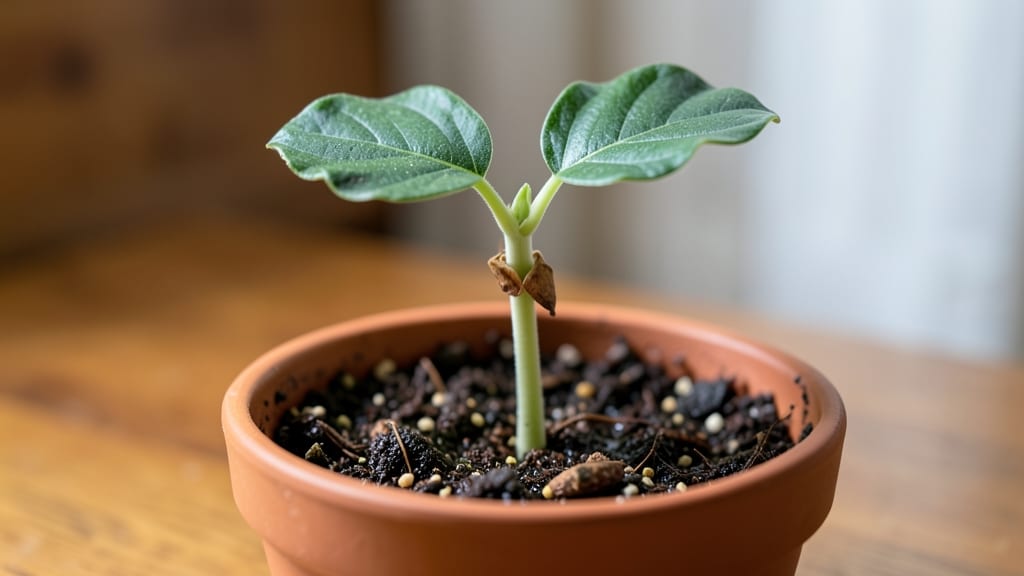
Sprouting a jackfruit seed takes patience, but the first green shoot feels like magic. 🌱 The key is keeping that seed moist—not soggy, not dry—while it wakes up from its tropical nap.
I’ve watched seeds take anywhere from 2 weeks to 2 months to crack open, depending on warmth and humidity, but consistency is what turns hesitation into success.
You’ll need a small pot, well-draining soil mix, and a spray bottle to mist without drowning. Jackfruit seeds love warmth (think 75-85°F), so a sunny windowsill or a heat mat speeds things up.
The real test comes in the first 30 days: if the soil dries out, the seed gives up; if it stays too wet, it rots. Balance is everything.
Once that first shoot appears, you’ll know you’re on the right track—thin, pale, and fragile at first, but strengthening daily. With proper light and weekly watering (never letting it dry out), you’ll have a 6-inch sprout in 3-4 months, ready to transplant.
The struggle is real, but the payoff—your own jackfruit tree—makes it worth it.
Common challenges? Fungal rot from overwatering or pests like mealybugs sneaking in. Start with sterile soil, keep airflow good, and inspect regularly. Most beginners quit here, but sticking with it through the slow start leads to years of tropical fruit—and that’s a reward no store-bought jackfruit can match.
📚 In This Guide
- What you need
- Instructions
- Tips and common mistakes
- Wrapping up and next steps
What you need
- ● Jackfruit seeds: Fresh, firm seeds (preferably from a ripe, organic jackfruit). Aim for 5–10 seeds for experimentation.
- ● Growing medium: Option 1: Coconut coir or peat pellets (2–3 pellets, pre-moistened).
- ● Option 2: Potting mix (lightweight, well-draining blend with perlite or vermiculite). Use 1–2 cups per seed.
- ● Option 3 (outdoor): Well-draining soil (mix garden soil with compost at a 2:1 ratio).
- ● Containers: Small pots or seed trays (3–4 inches deep, with drainage holes).
- ● Plastic wrap or clear lid (to retain humidity).
- ● Watering can or spray bottle (with a fine mist setting).
- ○ Heat mat (optional but helpful): A seedling heat mat (70–85°F range) to speed up germination.
- ● Grow lights or sunny windowsill: A full-spectrum LED grow light (12–16 hours/day) or a south-facing window (if natural light is abundant).
- ● Humidity dome (to create a greenhouse effect).
- ● pH testing kit (ideal soil pH: 5.5–6.5).
- ● Fertilizer: Diluted seaweed extract or balanced liquid fertilizer (5-5-5) (once sprouts appear).
- ● Label markers (to track planting dates and moisture levels).
- ● Thermometer/hygrometer (to monitor temperature and humidity).
Step-by-step instructions for germinating jackfruit seeds
Here's how I turn those giant, fibrous seeds into thriving seedlings with perfect moisture control.
🌱 Step 1: Prepare Seeds for Faster Germination
Jackfruit seeds have a thick outer shell that slows moisture absorption. I soak them for 12-24 hours in lukewarm water to soften the husk and jumpstart germination. Use a bowl large enough to hold all 4 seeds with room to move—crowding can trap heat and cause rot.
Change the water every 8 hours to prevent bacterial buildup. You'll know they're ready when the outer shell feels slightly pliable and the seed inside rattles when shaken. This pre-treatment cuts germination time nearly in half compared to dry planting.
💧 Step 2: Create the Ideal Moisture Environment
Fill a 6-inch diameter container with 2 inches of moistened seed-starting mix—never garden soil, which compacts and suffocates roots. Press the mix down lightly so it's firm but not packed, then create ¼-inch deep pockets using your finger or a small stick.
Place each pre-soaked seed into its pocket with the pointed end facing up (this is the shoot). Cover with a thin layer of additional mix—just enough to obscure the seed but not bury it completely. Mist the surface with a spray bottle until the mix feels like a wrung-out sponge: damp but not dripping.
☀️ Step 3: Maintain Warmth and Humidity
Cover the container with clear plastic wrap and secure it loosely with a rubber band. This traps humidity while allowing light penetration. Place the setup in a warm spot (75-85°F)—a seedling heat mat works wonders if you're in cooler climates. Jackfruit seeds germinate fastest in warmth, so avoid drafty areas.
Check daily but resist the urge to water. The plastic wrap should condense slightly each morning—that's your signal the humidity is perfect. If condensation stops, mist the inside of the wrap lightly to restore moisture. Germination typically occurs in 7-14 days, but don't be surprised if it takes longer in cooler conditions.
🌿 Step 4: Transition to Soil and Light
Once the first true leaves appear (not the initial seed leaves), remove the plastic wrap immediately to prevent fungal growth. Transplant each seedling into its own 4-inch pot filled with fresh seed-starting mix. Handle the delicate stems carefully—they're more fragile than they look.
Place the pots under bright, indirect light for the first week to avoid leaf scorch. After that, gradually introduce 4-6 hours of morning sun daily, increasing by 1 hour each week. You'll know the light is right when new growth appears compact and dark green, not stretched or pale.
⏰ Step 5: Monitor Moisture Without Overwatering
Water only when the top inch of soil feels dry to the touch—this prevents root rot while keeping the seedlings hydrated. Use a spray bottle for the first two weeks to avoid disturbing the soil around delicate roots. After that, water at the base with a gentle stream.
Jackfruit seedlings are sensitive to both drought and soggy conditions. If leaves yellow at the edges, you're overwatering. If they wilt and feel crispy, you've underwatered. The goal is consistent moisture, not a soggy mess or bone-dry soil.
Tips & tricks for perfect jackfruit seed germination
These pro-level insights will help you turn those stubborn jackfruit seeds into thriving seedlings with minimal fuss.
The Soak Test: After your 12-24 hour soak, test readiness by gently squeezing the seed—it should feel like a ripe avocado pit, not a hard rock. If it still feels firm, extend the soak another 4-6 hours. I've found that seeds from older fruit (more than 3 months old) often need the full 24 hours, while fresher seeds may only require 12. The key is that pliable shell—this is your green light to plant.
Container Size Matters: That 6-inch diameter container is critical for airflow. If you're working with more than 4 seeds, use a larger container but maintain the same 2-inch depth of mix. I've seen beginners use shallow dishes that dry out too quickly—this leads to failed germination. For larger batches, consider using a seedling tray with drainage holes to prevent waterlogging.
Humidity Hack: The plastic wrap creates a greenhouse effect, but don't seal it completely. Poke 2-3 tiny holes with a toothpick to allow excess moisture to escape—this prevents fungal growth while maintaining humidity. I've had seeds rot when the condensation became too heavy, so this small adjustment makes all the difference. Check the wrap daily and adjust as needed.
Light Transition Strategy: When you're ready to introduce those 4-6 hours of morning sun, start with just 2 hours on the first day. Jackfruit seedlings are sensitive to sudden light exposure, which can cause sunburn. Gradually increase by 1 hour every 2-3 days until you reach the full 4-6 hours. This slow acclimation prevents the seedlings from stretching or developing pale leaves.
Pro Tips for Jackfruit Seed Sprout
- These pro-level insights will help you turn those stubborn jackfruit seeds into thriving seedlings with minimal fuss.
- The Soak Test: After your 12-24 hour soak, test readiness by gently squeezing the seed—it should feel like a ripe avocado pit, not a hard rock.
- Container Size Matters: That 6-inch diameter container is critical for airflow.
Frequently asked questions
Got questions about sprouting jackfruit seeds? You’re not alone!
Here are answers to the most common queries—from germination timelines to troubleshooting tips. Let’s dive in!
How long does it take for jackfruit seeds to sprout?
Jackfruit seeds typically sprout within 7 to 21 days under ideal conditions (warmth, moisture, and indirect light). Smaller seeds may sprout faster, while larger ones can take longer. Patience is key—consistent moisture and a cozy spot (like a heated mat) can speed things up!
What’s the best way to keep jackfruit seeds moist without overwatering?
Use a spray bottle for light misting or place seeds in a sealed container with a damp paper towel. Avoid standing water—jackfruit seeds rot if soggy! Aim for damp (not wet) conditions and check moisture daily. A clear plastic bag with small air holes works too!
Can I speed up germination with heat?
Yes! Jackfruit seeds thrive in warmth (70–85°F). Place them near a sunny window, on a seedling heat mat, or even in a warm spot like a kitchen cabinet. Avoid direct heat sources (like radiators)—consistent, gentle warmth is best. Pro tip: A mini greenhouse tray can double as a warm, humid environment!
What if my jackfruit seeds aren’t sprouting after 3 weeks?
Don’t toss them yet! Try these fixes:
- Check viability: Soak seeds in warm water for 24 hours—if they sink, they’re likely still alive.
- Adjust moisture: Too dry? Mist them. Too wet? Let them dry slightly between waterings.
- Test temperature: Move them to a warmer spot (like a bathroom or near a lamp).
Can I plant jackfruit seed sprouts directly in soil?
Once sprouts are 1–2 inches tall and have strong roots, transplant them into well-draining potting mix with a touch of sand or perlite. Keep soil moist (not soggy) and place in bright, indirect light. Jackfruit trees love warmth—avoid cold drafts until established!
Wrapping up and next steps
Discovering how to sprout jackfruit seed sprouts is a rewarding journey that blends patience with nature’s bounty! 🌱 Whether you’re aiming for a thriving lawn, a unique houseplant, or a sustainable snack, mastering moisture control and germination timelines unlocks endless possibilities.
Start small—grab a few seeds, experiment with your setup, and watch your green thumb grow!
Ready to take the next step? Try planting a few seeds in your garden or a sunny windowsill today! Share your progress with fellow gardeners or explore creative ways to use your sprouts, like crafting eco-friendly lawns or whipping up nutritious treats. Happy growing! 🌿