
Propagation
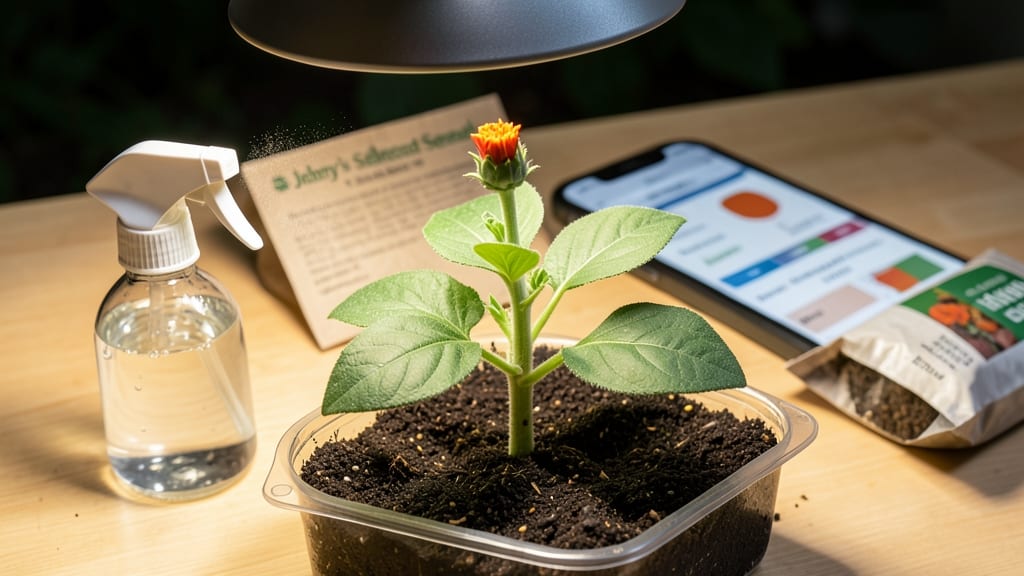
Precision planting dates start with Johnny Seeds' calculator—your secret weapon for avoiding those sad, leggy seedlings that outgrow their pots before you can transplant them. 🌱 I've wasted entire seed trays because I didn't account for my zone's last frost date, and this tool changes that.
It handles all the math—germination times, transplant windows, and even seed spacing—so you can focus on the fun part: watching those first green shoots pop. The calculator works by asking three key questions: what you're growing, where you live, and when you want to harvest.
Enter your zip code, select your plant variety, and it spits out the exact dates to start seeds indoors, move to hardening-off trays, and set them in the ground. No more guessing whether your tomatoes will be ready for Memorial Day or end up as dinner for squirrels.
What you'll end up with is a customized schedule that matches your climate, ensuring seedlings are sturdy and ready when the soil warms. It even adjusts for slow germinators like parsley or fast growers like radishes, so every seed gets the perfect head start. The best part?
You can tweak quantities based on your space—whether you're growing in a windowsill tray or a full greenhouse setup. This isn't just about dates—it's about confidence. No more second-guessing whether you started too early or too late.
The calculator integrates seamlessly into your garden plan, giving you a clear roadmap from seed to harvest. Let's get those planting dates locked in!
📚 In This Guide
- What you need
- Instructions
- Tips and common mistakes
- Wrapping up and next steps
What you need
- ● Johnny Seeds Seed Starting Calculator (accessible online or via their app)
- ● Garden zone map (USDA Hardiness Zone Guide or local climate data)
- ● Seed packets (from Johnny Seeds or trusted suppliers)
- ● Notebook or digital planner (to record planting dates and notes)
- ● Internet or smartphone (for accessing the calculator tool)
- ● Seed starting trays (biodegradable or reusable, 72-cell or larger)
- ● High-quality seed starting mix (sterile, well-draining blend)
- ● Grow lights or sunny windowsill (12–16 hours of light daily)
- ○ Heat mat (optional, for warm-season seeds like tomatoes or peppers)
- ● Misting bottle (to keep soil moist without overwatering)
- ● Plant labels or markers (to track varieties)
- ● Humidity dome or plastic wrap (to retain moisture in early stages)
- ● Calendar or garden journal app (for tracking progress)
Instructions: using the johnny seeds calculator for perfect timing
Here's how to use the calculator to avoid common seed-starting mistakes and get your plants off to the right start.
📅 Step 1: Select Your Garden Zone and Last Frost Date
First, locate your USDA hardiness zone on the calculator—this determines when your soil warms enough for planting. If you're unsure, check the USDA zone map online or use your ZIP code. The calculator already loads your approximate zone based on location, but verify it matches your microclimate.
Next, enter your average last frost date. This is the critical number—too early and seedlings freeze, too late and you miss the growing season. For example, in Zone 5, I always use April 15 as my last frost date. The calculator uses this to reverse-calculate when to start seeds indoors.
🌱 Step 2: Choose Your Plant Varieties and Days to Maturity
Select the plants you want to grow from the dropdown menu. Each variety has different cold tolerance and growth rates. For instance, tomatoes need 60-85 days to maturity, while lettuce matures in 30-50 days. The calculator shows these ranges—pick the shorter time for fast harvests or longer for bigger yields.
Pro tip: If you're growing multiple crops, prioritize long-season plants first. They need the earliest start dates. I always begin with tomatoes and peppers, then add quick growers like radishes later in the season.
⏰ Step 3: Calculate Indoor Start Dates and Adjust for Your Space
The calculator generates three key dates: when to start indoors, when to transplant outside, and when to direct-sow. For example, in Zone 6, my tomatoes show a March 1 start date for indoor planting and a May 1 transplant date. These dates assume you have grow lights or a sunny window.
If your space is cooler than average, adjust the start date earlier by 1-2 weeks. Seedlings grow slower in cold rooms. I've found that adding a seedling heat mat can shave 3-5 days off germination time, so I sometimes move start dates back slightly when using one.
🌿 Step 4: Plan Your Outdoor Transplanting Schedule
The calculator's transplant date tells you when seedlings are ready to move outside. For hardy crops like kale, this might be just 2 weeks before last frost, while tender plants like basil need to wait until 2 weeks after. Pay attention to the "ready for transplant" column—this is when your seedlings should have 3-4 true leaves.
Use this date to schedule your outdoor prep. I always mark it on my calendar and start preparing garden beds or containers 1 week early. Well-prepared soil warms faster and gives seedlings a better start. If you're using containers, move them outside with the plants to help them acclimate.
✂️ Step 5: Adjust for Succession Planting and Fall Crops
For continuous harvests, use the calculator to generate multiple start dates. For example, with lettuce, I'll start a new batch every 2 weeks from March through June. The calculator shows these staggered dates in the "succession planting" section.
Don't forget about fall crops! The calculator includes a "fall planting" option that calculates when to start cool-season vegetables like broccoli and spinach for autumn harvests. In Zone 7, I often start these in early August for October-November harvests—just before the first frost.
Tips & tricks for perfect seed starting timing
These practical strategies will help you get the most out of the Johnny Seeds calculator and avoid common seed-starting pitfalls.
Zone Verification: Double-check your USDA hardiness zone using the calculator's built-in map feature. Microclimates can vary significantly even within the same zone—my urban backyard in Zone 6 runs about 2°F warmer than the official zone map suggests. This small difference can shift your transplant dates by a full week if you're not careful.
Last Frost Date Research: The calculator uses your last frost date to determine indoor start times, but don't rely solely on averages. Check local weather records for the past 5 years—you'll often find your actual last frost occurs 1-2 weeks later than the official average. In my experience, this adjustment prevents premature transplanting that can kill tender seedlings.
Seedling Heat Mat Strategy: If you're working with slower-growing varieties like tomatoes (60-85 days to maturity), consider using a seedling heat mat during germination. These mats can reduce germination time by 3-5 days, allowing you to adjust your March 1 start date slightly later if needed. Just remember to remove the mat once seedlings emerge to prevent overheating.
Transplant Readiness Check: When the calculator shows your transplant date, verify seedlings have 3-4 true leaves before moving them outside. I've found that counting cotyledons (the first two leaves) doesn't always correlate with readiness—focus on the true leaves that develop after germination. This visual cue ensures your plants are strong enough to handle outdoor conditions.
Pro Tips for Johnny Seeds Seed Starting Calculator
- These practical strategies will help you get the most out of the Johnny Seeds calculator and avoid common seed-starting pitfalls.
- Zone Verification: Double-check your USDA hardiness zone using the calculator's built-in map feature.
- Last Frost Date Research: The calculator uses your last frost date to determine indoor start times, but don't rely solely on averages.
Frequently asked questions
How accurate is the Johnny Seeds calculator for my specific garden zone?
The calculator is highly accurate for most U.S. garden zones (1–11), but local microclimates—like urban heat islands or coastal areas—can tweak timing. For best results, cross-check with your local frost dates and adjust by 1–2 weeks if needed.
Can I use this calculator for indoor seed starting?
The tool accounts for both outdoor transplant dates and indoor seed-starting timelines. Just input your last frost date, and it’ll suggest when to start seeds indoors (typically 6–8 weeks before transplanting) based on your plants’ maturity needs.
What if my seeds don’t germinate on time?
Troubleshooting starts with consistency: maintain even moisture (not soggy!) and warmth (70–85°F for most seeds). If germination stalls, check seed viability (float test: toss in water—sinkers are good!). For stubborn seeds, try a heat mat or adjust light exposure.
Is there a way to adjust for container vs. in-ground planting?
The calculator assumes standard transplanting, but containers can delay hardening-off by 1–2 weeks due to slower root establishment. For containers, start seeds earlier (follow the “indoor start” date) and extend the hardening-off period by 5–7 days under shade cloth.
Can I use this for vegetables, flowers, or herbs?
Yes! The calculator supports all three, but some plants (like herbs) prefer cooler starts. For herbs, reduce indoor start times by 2–3 weeks—they germinate faster and tolerate cooler soil. Always select the correct plant type in the tool for tailored results.
What if my first frost date is later than the calculator suggests?
If your area has unusually late frosts (e.g., Zone 6 with a May frost), override the default frost date in the calculator’s settings. For extra safety, add 10–14 days to the “transplant out” window and monitor local forecasts closely.
Wrapping up and next steps
Ready to transform your garden into a thriving oasis? The Johnny Seeds Seed Starting Calculator is your secret weapon—eliminating guesswork and maximizing your plants' potential! 🌱 By inputting just a few details, you’ll unlock precision planting dates tailored to your zone, ensuring stronger seedlings and bountiful harvests.
Now that you’re armed with the know-how, take the next step: mark your calendar and start those seeds! Whether you’re a seasoned gardener or a beginner, every great harvest begins with the right timing. Happy planting! 🌿