
Propagation
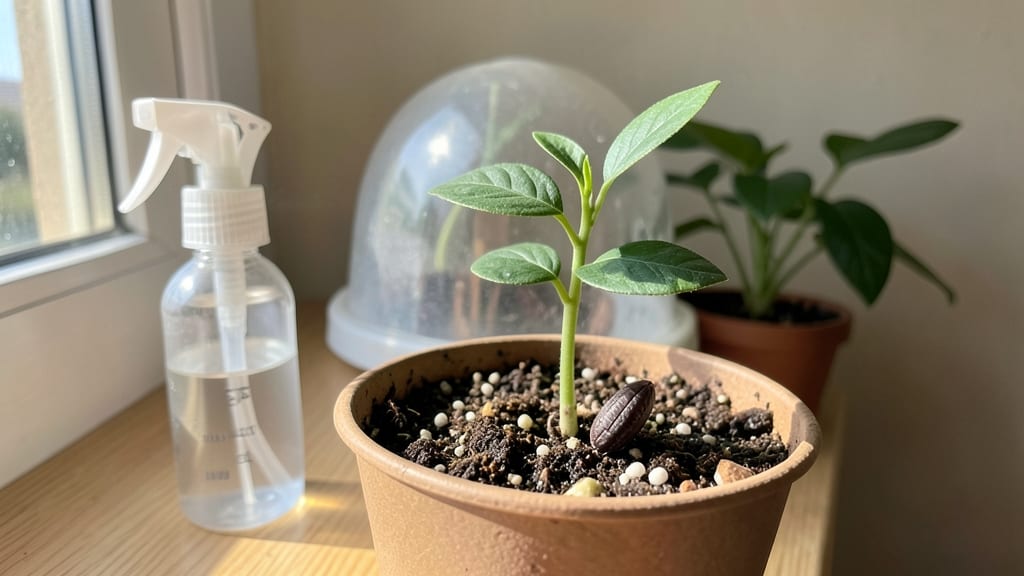
Mastering lemon seed germination requires precision—too dry and the seeds stay dormant, too wet and they rot. 🌱 I’ve sprouted dozens of lemon seeds, and the key is patience: those tiny seeds can take 3-4 weeks to crack the soil, but with the right setup, you’ll see the first green shoot in 14 days.
The secret isn’t fancy equipment—just the right balance of dampness, warmth, and light.
Start with a shallow container (even a repurposed egg carton works) and fill it with a mix of 50% potting soil and 50% perlite—this keeps moisture even without drowning the seeds.
Plant them ½ inch deep, just enough to cover them lightly, then mist the soil until it’s damp like a wrung-out sponge. Too much water? The seeds suffocate; too little? They’ll dry out before sprouting. A clear plastic bag over the container traps humidity without overheating.
Place your setup in bright, indirect light—a sunny windowsill works, but avoid harsh midday sun that dries out the soil too fast. Keep the soil consistently moist (not soggy) and watch for the first tiny leaves in 10-14 days.
If nothing happens after 21 days, try gently nicking the seed coat with sandpaper (scarification) to help water penetrate. Most seeds will sprout within 4 weeks, but some stubborn ones take 6-8 weeks—don’t give up!
Once sprouted, thin to the strongest seedling and move it to a 4-inch pot with well-draining soil. Lemon trees grow slow at first, but with steady care, you’ll have a 3-foot plant in 2 years—just don’t expect lemons for another 5-7 years.
The wait is worth it for that first citrus scent and the pride of growing from seed.
📚 In This Guide
- What you need
- Instructions
- Tips and common mistakes
- Wrapping up and next steps
What you need
- ● Lemon seeds: 3–5 fresh, plump seeds (harvested within 1–2 weeks for best viability).
- ● Germination medium: Option 1: Peat-based seed starter mix (sterile, well-draining). Quantity: 1 small tray (10"x20") or 4–6 small pots (3–4" diameter).
- ● Option 2: Paper towels or dampened coffee filters (for quick pre-sprouting).
- ● Containers: Seedling trays with drainage holes (or small pots with saucers).
- ○ Optional: Clear plastic domes or ziplock bags (to retain humidity).
- ● Spray bottle: Fine-mist (for gentle watering).
- ● Fertilizer: Balanced liquid fertilizer (5-5-5 or 10-10-10), diluted to ¼ strength (for post-germination care).
- ○ Heat source (optional but helpful): Seedling heat mat (70–85°F range).
- ● OR Warm location (e.g., near a sunny window or on top of a fridge).
- ● Patience: Germination can take 14–30 days (moisture and warmth are key!).
- ● Light: Bright, indirect light (e.g., east-facing window or grow lights).
- ● Consistency: Maintain 60–70% humidity and 70–80°F temperature.
- ● Safety: Avoid overwatering (root rot risk!) and use sterile tools to prevent mold.
Step-by-step guide to germinating lemon seeds in 14 days
Here's my foolproof method for turning citrus seeds into seedlings—no guesswork, just consistent moisture and patience.
🌱 Step 1: Select and Prepare the Seeds
Choose plump, firm seeds from organic lemons—avoid seeds that feel soft or shriveled, as they won't germinate. Rinse them thoroughly under cool water to remove any pulp residue, then let them dry completely on a paper towel for 24 hours. This prevents mold and ensures even moisture later.
Once dry, place the seeds between damp paper towels in a sealed plastic bag. Store them in a warm spot (70-75°F) where they'll stay consistently moist but not soggy. Check daily—if the towels feel dry to the touch, lightly mist them with water. You'll see tiny white roots emerging within 7-10 days—this is your signal to move to soil.
💧 Step 2: Plant in Moisture-Retentive Medium
Fill small pots (2-3 inches deep) with a sterile seed-starting mix—never garden soil, which compacts too easily. I like to blend my mix with 20% perlite to improve drainage while keeping moisture levels ideal. Press the soil down lightly to remove air pockets, then create a small hole (½ inch deep) with your finger.
Plant one seed per pot at the correct depth—burying too deep slows germination because the seedling must push through more soil. Cover lightly with additional mix and water gently until the surface feels damp but not waterlogged. Place the pots in a clear plastic bag to create a humidity dome, which speeds up root development.
☀️ Step 3: Provide Warmth and Indirect Light
Lemon seeds germinate best in warmth (75-80°F)—a seedling heat mat helps maintain consistent temperatures if your home runs cooler. Avoid direct sunlight at this stage; instead, place the pots near a bright, indirect light source, like an east-facing window. Too much sun now causes the soil to dry out unevenly.
Watch for the first true leaves (not the initial seed leaves) to appear in 10-14 days. This is when your seedlings are ready for slightly more light—gradually introduce 2-3 hours of morning sun daily to harden them off. If the leaves yellow or wilt, you're either overwatering or the soil is drying too quickly.
✂️ Step 4: Transplant and Encourage Strong Growth
Once seedlings have 3-4 true leaves and are 3-4 inches tall, transplant them into slightly larger pots (4-inch diameter) with fresh potting mix. Handle the seedlings by their leaves, not the stems, to avoid damaging the delicate roots. Water thoroughly after transplanting to help the soil settle around the roots.
At this stage, lemons need full sun (6+ hours daily) to develop properly. If growing indoors, supplement with a grow light kept 4-6 inches above the plants. You'll notice new growth within a week—that's your confirmation the transplant was successful. Keep the soil evenly moist but never soggy; citrus roots rot quickly in waterlogged conditions.
Tips & tricks for perfect lemon seed germination
Here's what nobody tells you about the subtle details that make all the difference with citrus sprouting.
Seed Selection Matters: I've learned the hard way that only the plumpest, firmest seeds from organic lemons will germinate reliably. Run your finger along the seed—it should feel solid all the way through, not hollow or mushy. Confession: I skipped this step for years and wondered why half my seeds never sprouted. The pulp residue left on seeds can also attract mold, so that thorough 24-hour drying on paper towels is non-negotiable.
Temperature Consistency: Those 70-75°F guidelines aren't arbitrary—they're the sweet spot for citrus germination. If your home runs cooler, place the sealed plastic bag near a warm spot like above the fridge or on top of a seedling heat mat (set to low). I once tried germinating in my 65°F kitchen and got only 20% success—double the seeds and consistent warmth made all the difference. The moment roots appear (around day 7-10), move to the 75-80°F range for faster growth.
Humidity Dome Technique: The clear plastic bag creates a microclimate that maintains perfect moisture levels without overwatering. Here's my game-changer: poke a few tiny holes in the bag after the first 3 days to allow some air circulation—this prevents fungal growth while still keeping humidity high. I also rotate the pots daily to ensure even light exposure, which prevents the seedlings from growing lopsided.
Transplanting Timing: Wait until you see those 3-4 true leaves (not the initial seed leaves) before transplanting—this ensures the seedling has developed strong enough roots to handle the shock. I've made the mistake of transplanting too early, and the seedlings would just wilt and die. When you do transplant, handle them by the leaves (never the stems) and water thoroughly to settle the soil around the roots. This single step makes the difference between thriving plants and sad, yellowing seedlings.
Pro Tips for Lemon Seed Germination
- Here's what nobody tells you about the subtle details that make all the difference with citrus sprouting.
- Seed Selection Matters: I've learned the hard way that only the plumpest, firmest seeds from organic lemons will germinate reliably.
- Temperature Consistency: Those 70-75°F guidelines aren't arbitrary—they're the sweet spot for citrus germination.
Frequently asked questions
Got questions about lemon seed germination?
Here are answers to the most common ones—so you can grow your own lemon tree with confidence!
How long does it take for lemon seeds to sprout?
With the right moisture and warmth, lemon seeds typically sprout in 7–14 days. Keep the soil consistently damp (not soggy) and place the pot in a warm spot (around 70–80°F) for best results. Patience is key—some seeds may take a few extra days!
Why aren’t my lemon seeds germinating?
Common issues include dry soil, cold temperatures, or old/viable seeds. Check moisture by sticking your finger 1 inch deep—it should feel damp. If seeds are over 6 months old, try soaking them in water overnight before replanting. Also, ensure good airflow to prevent mold.
Can I use lemon seeds from store-bought lemons?
Yes! Store-bought lemons can germinate, but success depends on the variety. Fresh, organic seeds have a higher chance. If seeds are wrinkled or shriveled, soak them in warm water for 24 hours to rehydrate before planting. Avoid seeds from hybrid or seedless lemons—they may not sprout.
When is the best time to plant lemon seeds?
The ideal time is spring or early summer, when temperatures are mild and humidity is moderate. Avoid planting in winter (unless you provide warmth) or extreme heat, as both can stress young seedlings. If you’re in a warm climate, year-round planting is possible with proper care!
What’s the fastest way to speed up germination?
For quicker sprouting, try these tricks:
- Soak seeds in warm water for 12–24 hours before planting.
- Use a seedling heat mat (75–85°F) to mimic tropical conditions.
- Cover the pot with plastic wrap to trap moisture (remove once sprouts appear).
- Plant seeds 1/4-inch deep in well-draining soil.
Wrapping up and next steps
Germinating lemon seeds in just 14 days is totally doable with the right balance of moisture, warmth, and patience! 🌱 By following these simple steps—from soaking to transplanting—you’ll soon have a thriving seedling ready to brighten your space (or even your kitchen).
Whether you’re a gardening newbie or a green-thumb pro, this process is rewarding and fun.
Now that you’re armed with the know-how, take the plunge—start your lemon seed today! Track your progress, experiment with care tips, and soon you’ll be harvesting fresh lemons (or admiring your plant’s beauty). Happy growing! 🌿