
Lawn
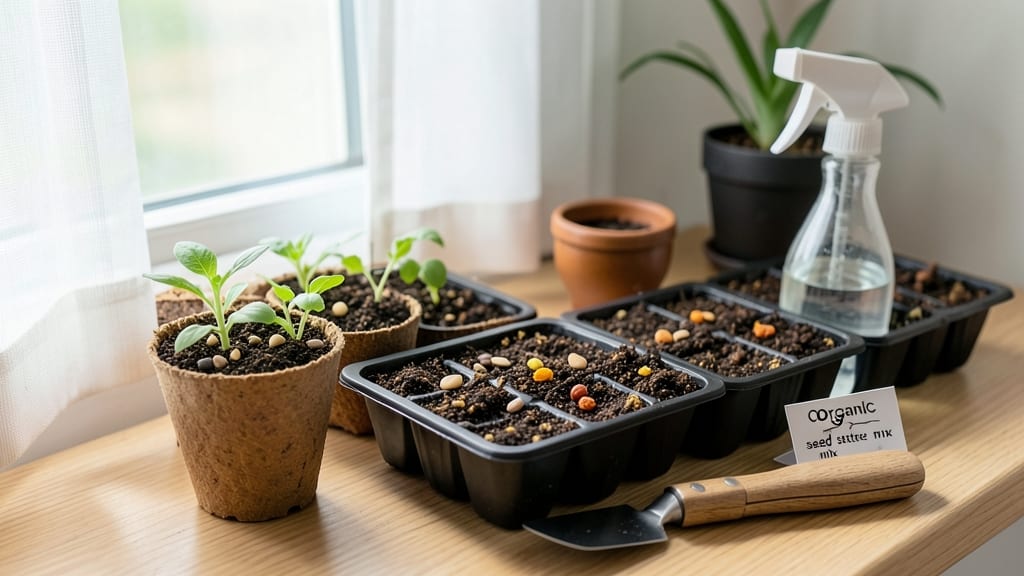
My organic seed starter mix is the game-changer that turns flimsy seeds into sturdy seedlings in just 10-14 days. 🌱 After years of struggling with slow germination and leggy sprouts, I finally cracked the formula—a blend that holds moisture without drowning roots while giving seedlings the airy start they crave.
The secret? A perfect balance of compost, coconut coir, and perlite that mimics ideal forest-floor conditions. This mix isn't just organic—it's lightweight, so seedlings don't struggle to push through dense soil.
You'll see the difference immediately: firm yet crumbly texture, perfect drainage, and that rich, earthy smell that means business. Most store-bought mixes contain peat (which depletes wetlands) and synthetic additives, but this version keeps your garden—and the planet—healthy.
The payoff comes when your trays fill with uniform, stocky seedlings instead of weak, stretched-out babies. No more replanting shock or waiting weeks for germination.
By the time you're ready to transplant, these seedlings will be hardy enough to handle real-world conditions—whether that's your garden bed or a container setup. Here's the kicker: you can make it yourself in under 30 minutes with supplies you likely already have.
No fancy equipment needed, just a bucket and a little patience. Let's get those seeds sprouting right!
📚 In This Guide
- What you need
- Instructions
- Tips and common mistakes
- Wrapping up and next steps
What you need
- ● Coco coir or peat moss: 50% of the mix (2 parts) – holds moisture and provides aeration
- ● Organic compost: 30% of the mix (1.5 parts) – rich in nutrients for seedling growth
- ● Perlite or vermiculite: 20% of the mix (1 part) – boosts drainage and prevents compaction
- ○ Worm castings (optional but recommended): 1 tbsp per 1 gallon of mix – adds beneficial microbes and gentle nutrients
- ○ Mycorrhizal fungi (optional): 1 tsp per 1 gallon – enhances root development
- ● Large mixing container (e.g., wheelbarrow, bucket, or clean plastic tote) – at least 5 gallons for bulk mixing
- ● Garden gloves – protects hands from grit and organic matter
- ● Hand trowel or small shovel – for blending ingredients evenly
- ● Spray bottle with water – to moisten the mix before use
- ● Seed trays or small pots (4–6 inches deep) – for transplanting seedlings
- ○ pH testing kit (optional) – ideal pH for seed starters: 6.0–7.0
- ● Sterilize tools by rinsing with a 1:10 bleach-water solution (let dry) to prevent mold.
- ● Use sterilized containers (bake at 200°F for 30 mins) to avoid damping-off disease.
- ● For fast germination, mix in 1 tbsp of seaweed extract per gallon.
How to create a lightweight organic seed starter mix for fast germination
This blend gives seeds the perfect head start—fluffy yet moisture-retentive, with nutrients that kick germination into high gear.
🌱 Step 1: Combine the Base Components
Start with 50% coco coir—this holds moisture without compacting like peat. Add 30% compost (well-aged, not fresh) for gentle nutrients and microbial activity. I like to sift both through a ¼-inch mesh screen to break up clumps and ensure even texture.
Next, mix in 20% perlite or vermiculite—this creates air pockets critical for root development. The perlite should be sterilized (baked at 350°F for 30 minutes) to kill any pathogens. Use a large bin and a garden trowel to fold these dry ingredients together until uniformly distributed.
💧 Step 2: Hydrate and Fluff the Mix
Gradually add warm water (about 1 part water to 2 parts dry mix) while stirring with your hands. The goal is a consistency like a damp sponge—it should hold together when squeezed but not drip. Too wet? Add more perlite. Too dry? Spritz with a spray bottle.
Here's the thing—don't pack it down. Gently crumble the mix with your fingers to maintain that airy structure. Seeds need oxygen to germinate, and compacted soil suffocates them. You'll know it's right when it feels light yet holds shape when you press it lightly.
☀️ Step 3: Add Nutrients for a Germination Boost
Stir in 1 tablespoon of organic worm castings per quart of mix for a gentle nutrient kick. This isn't about feeding established plants—it's about giving seedlings the phosphorus and nitrogen they need to break through the soil quickly. I also add ½ teaspoon of kelp meal per quart for trace minerals that stimulate root growth.
For extra speed, sprinkle ¼ teaspoon of mycorrhizal fungi into the mix. This beneficial soil organism helps roots absorb moisture faster, which is especially helpful in cooler germination conditions. Mix everything thoroughly so the nutrients are evenly distributed.
⏰ Step 4: Test and Adjust for Optimal Conditions
Fill a small container with your mix and add a few drops of water. If the surface stays dry for more than 30 seconds, add another 5% perlite to improve drainage. If it stays soggy, blend in 10% more coco coir to absorb excess moisture. The perfect mix should wick water evenly without pooling.
Let it sit for 24 hours before using. This gives any remaining clumps time to break down and the pH to stabilize slightly. You'll notice the mix smells earthy but not ammonia—this confirms the compost is well-aged and won't burn seeds. Now it's ready to use for your fastest germination yet.
Tips & tricks for perfect organic seed starter mix
Here's what nobody tells you—these little details make all the difference between mediocre germination and seedlings popping up in record time.
Sterilization Secret: That 350°F for 30 minutes sterilization of perlite isn't optional—it's non-negotiable. I learned this the hard way after dealing with moldy batches. Use an oven-safe tray and spread the perlite in a single layer so it heats evenly. The goal is to kill pathogens while preserving the structure—overheating can collapse those crucial air pockets.
Compost Quality Check: The 30% compost must be well-aged or your seeds will burn. Look for compost that smells earthy, not ammonia-like. If you're unsure, mix equal parts compost and coco coir first, then adjust. Fresh compost introduces too many microbes that compete with your seeds for nutrients, slowing germination to a crawl.
Hydration Hack: When aiming for that "damp sponge" consistency in Step 2, use a spray bottle to adjust moisture after mixing. I find it's easier to under-water than over-water—you can always add more perlite later if needed. The mix should feel like a wrung-out sponge: squeeze gently and it holds together, but doesn't drip. Too wet? Add perlite. Too dry? Spritz with warm water and crumble again.
Nutrient Distribution: For those 1 tablespoon of worm castings and ½ teaspoon of kelp meal, I recommend pre-mixing them separately before adding to the main blend. This ensures even distribution throughout the quart. The mycorrhizal fungi should be sprinkled last and gently folded in—too much agitation can break down these beneficial organisms before they can establish.
Pro Tips for Organic Seed Starter Mix
- Here's what nobody tells you—these little details make all the difference between mediocre germination and seedlings ...
- Sterilization Secret: That 350°F for 30 minutes sterilization of perlite isn't optional—it's non-negotiable. I learne...
- Compost Quality Check: The 30% compost must be well-aged or your seeds will burn. Look for compost that smells earthy...
Frequently asked questions
What’s the best time to use organic seed starter mix?
Use it anytime you’re sowing seeds indoors or outdoors—just adjust moisture levels for your climate. For cold climates, start 6–8 weeks before the last frost. For warm climates, sow directly into the mix as soon as soil thaws. Pro tip: If seeds need light (like lettuce), sprinkle them on top without covering.
How long does it take for seeds to germinate in starter mix?
Germination time varies by seed type, but most organic starter mixes speed it up by 2–3 days. Fast growers (like radishes or basil) sprout in 3–7 days, while slower seeds (tomatoes, peppers) take 7–21 days. Keep the mix moist (like a damp sponge) and warm (70–75°F) for best results.
Can I reuse organic seed starter mix?
Not recommended! After germination, the mix breaks down and loses nutrients. For cost savings, save unused portions in a sealed bag for up to 2 weeks. Instead of reusing, compost the spent mix or repurpose it for potting small seedlings. Fresh mix ensures stronger, healthier starts.
What’s a good alternative if I don’t have organic seed starter mix?
DIY it! Blend 50% peat moss or coco coir (for moisture), 30% perlite or vermiculite (for aeration), and 20% compost or worm castings (for nutrients). Store-bought options like seedling potting soil or cactus/succulent mix (lightweight and sterile) also work in a pinch.
Why aren’t my seeds sprouting in the starter mix?
Check these 3 culprits first:
- Moisture: Too dry? Mist lightly. Too soggy? Drain excess water.
- Temperature: Use a heat mat (70–75°F) for slow germinators.
- Depth: Tiny seeds need light—press gently into the top layer.
Wrapping up and next steps
Creating your own organic seed starter mix is a rewarding way to jumpstart your gardening journey—whether you're growing lush lawns, vibrant flowers, or a bountiful veggie patch. 🌱 This lightweight loam blend ensures fast germination, healthier seedlings, and a sustainable approach to gardening.
With just a few simple ingredients, you’ve got everything you need to nurture strong, resilient plants from day one.
Ready to take the next step? Grab your materials, mix with confidence, and watch your seeds sprout into thriving plants! Happy gardening! 🌿