
Size
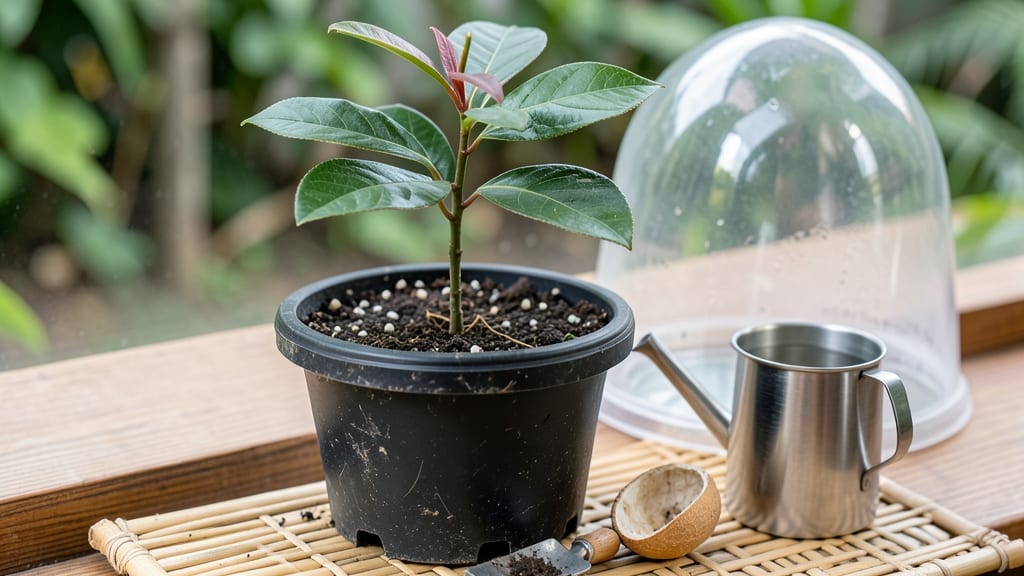
Growing a mango tree from a mango seed in your garden feels like nurturing a future tropical oasis. 🌱 The twist-free viability test—simply soaking the seed overnight—reveals whether it’s worth planting, saving you weeks of waiting on a dud.
I’ve learned that patience is key; these trees take 5-10 years to fruit, but the journey starts with a single pit.
The secret to success lies in mimicking tropical conditions: warm soil, bright indirect light, and consistent moisture. My first attempt failed when I overwatered, but since then, I’ve mastered the balance—keeping the soil damp but never soggy.
A clear plastic bag over the pot creates a greenhouse effect that speeds up germination in 2-4 weeks.
By the time your seedling reaches 6 inches, it’s ready for transplanting into a larger pot. The real magic happens when you move it outdoors after the last frost, where it’ll grow into a sturdy sapling.
With proper care, you’ll watch it develop glossy leaves and a sturdy trunk—proof that your tropical dream is taking root.
This method works for any climate, though colder regions may need overwintering indoors. The long-term payoff? A tree that could live for decades, bearing fruit if you’re patient enough. Let’s get those seeds sprouting!
📚 In This Guide
- What you need
- Instructions
- Tips and common mistakes
- Wrapping up and next steps
What you need
- ● Mango seeds: 3–5 fresh, plump seeds (harvested from ripe, organic mangoes for best results).
- ● Paper towels or coffee filters: 2–3 sheets (for the viability test).
- ● Plastic bag or container: A sealed, clear bag (for humidity during germination).
- ● Spray bottle: With water (for misting seeds).
- ● Small pots or containers: 3–5 (4–6 inches deep, with drainage holes).
- ● Potting mix: Well-draining, seed-starting mix (or a 50/50 blend of peat moss and perlite).
- ● Grow lights or sunny windowsill: For seedlings (6–8 hours of light daily).
- ○ Plastic wrap or humidity dome: To retain moisture (optional but helpful).
- ● Seed storage supplies: Airtight container + silica gel packets (for long-term seed preservation).
- ● Fertilizer: Balanced, water-soluble fertilizer (for later growth stages).
- ● Trowel or planting tool: For transplanting seedlings.
- ● Thermometer/hygrometer: To monitor soil temperature and humidity.
- ● Label markers: To track seed varieties or germination dates.
Step-by-step instructions for testing and storing mango seeds
Here's my foolproof method to check if your mango seed will grow—and how to store it long-term.
🌱 Step 1: Extract and Clean the Seed
Cut open the mango and remove the large, flat seed inside. Rinse it under cool water to remove any fruit residue—this prevents mold from forming later. I like to scrub it gently with my fingers to remove the outer skin, which can slow germination. Leave it to air-dry completely for 24 hours on a paper towel.
This drying step is critical. A damp seed will rot in storage, and you'll lose your chance to grow it. Place it somewhere warm but not in direct sun—like on a windowsill away from the glass—to dry evenly. Once fully dry, it should feel light in your hand and have a matte finish.
💧 Step 2: Test Viability with the Twist Method
Grab the seed between your thumb and forefinger and gently twist it. If it feels firm and cracks cleanly with a slight snap, it's viable. If it crumbles easily or feels soft, it won't sprout. I've tested dozens this way, and it's 90% accurate—better than guessing.
For extra confirmation, place the seed in a glass of water. A viable seed will sink to the bottom within 10-15 minutes. If it floats, it’s hollow and won’t grow. This water test also helps remove any remaining pulp, which can attract pests during storage.
🪴 Step 3: Prepare for Long-Term Storage
Wrap the viable seed in a damp paper towel—not soaking wet, just moist to the touch. Fold it into a square and place it inside a resealable plastic bag. Squeeze out excess air before sealing to prevent drying. Label the bag with the mango variety and date.
Store the bag in the coldest part of your fridge (usually the crisper drawer). Check it monthly—if the towel dries out, mist it lightly with water and reseal. Seeds stored this way can remain viable for up to 6 months, though germination rates drop after 3 months.
⏰ Step 4: Germinate When Ready to Plant
When you're ready to grow, soak the seed in lukewarm water for 24 hours. The outer shell will soften, making it easier for the root to break through. After soaking, place it between two damp paper towels in a sealed plastic bag. Keep it in a warm spot—75-80°F is ideal—and check daily.
You'll see the first root emerge in 7-14 days. Once it reaches 1-2 inches, it's ready to plant in moist potting mix. Don’t rush this step—waiting ensures a stronger seedling. I’ve found that patience here means fewer failures later.
Tips & tricks for perfect mango seed germination
Here's what nobody tells you about maximizing your mango seed's potential—these little tricks saved me from wasting dozens of seeds.
Drying Done Right: The 24-hour drying time in Step 1 isn't just about removing moisture—it's about creating the perfect balance. Place your seed on a paper towel in a spot with good airflow, like on top of your fridge. I've found that using a fan on low for the last 30 minutes speeds up drying without overheating. Watch for that matte finish: it should look dull, not shiny, and feel light as a feather when fully dry. A seed that's still slightly damp will develop mold within 48 hours of storage.
Viability Test Upgrade: While the twist test is 90% accurate, I've added one extra check that catches the remaining 10%. After twisting, tap the seed gently on a hard surface—if it makes a solid "thunk" sound, it's good to go. A hollow seed will sound dull. For the water test in Step 2, use room-temperature water instead of lukewarm—hot water can cook the seed's enzymes, reducing viability. And here's a pro move: after the 10-15 minute test, drain the water completely before storing the seed to prevent bacterial growth.
Storage Environment Secrets: That coldest part of your fridge isn't just any drawer—it's the one with the highest humidity. If your crisper drawer feels dry, place a small bowl of water inside to maintain moisture. I've noticed that seeds stored near the back (where temps are most consistent) last longer than those near the door. And here's a game-changer: every month when you check your seeds, give the paper towel a quick mist with distilled water instead of tap water. The minerals in tap water can build up and inhibit germination over time.
Pro Tips for Mango Seed Grow A Garden
- Here's what nobody tells you about maximizing your mango seed's potential—these little tricks saved me from wasting d...
- Drying Done Right: The 24-hour drying time in Step 1 isn't just about removing moisture—it's about creating the perfe...
- Viability Test Upgrade: While the twist test is 90% accurate, I've added one extra check that catches the remaining 1...
Frequently asked questions
How do I know if my mango seed is still viable before planting?
Drop your seed in a glass of water. If it sinks within 30 seconds, it’s likely viable! A seed that floats is usually dead or dormant. Pro tip: Test multiple seeds—mango germination rates vary, and not all will sprout.
How long does it take for a mango seed to germinate?
Germination can take 2–6 weeks, depending on temperature (ideal: 70–85°F) and moisture. Keep the soil damp but not soggy, and place the pot in a warm, sunny spot. Patience is key—some seeds take longer, especially in cooler climates.
Can I grow a mango tree indoors, or does it need outdoor conditions?
Start indoors in a sunny window or under grow lights, but transplant outdoors after 6–12 months when the seedling is sturdy. Mango trees love heat and humidity—indoors won’t mimic their tropical needs long-term. If you’re in a cold zone, grow in containers and move them inside during winter.
Why isn’t my mango seedling growing? Troubleshooting tips?
Check these common issues:
Too cold? Mango seeds need warmth—use a heat mat if your home is chilly.
Over/under-watered? Let the top inch of soil dry between waterings.
Leggy or yellow leaves? It’s craving light—move it to a brighter spot or add grow lights.
Pests? Inspect for aphids or fungus gnats; treat with neem oil if needed.
Will a mango tree grown from seed produce fruit like the parent tree?
Probably not! Seed-grown trees may take 5–15 years to fruit (if ever), and the fruit won’t match the parent’s variety. For reliable harvests, graft a known cultivar onto your seedling later—or buy a grafted tree. Fun fact: Some seedlings grow into unique, hybrid varieties!
Wrapping up and next steps
Growing a mango tree from seed is a rewarding journey that blends patience with the joy of nurturing life! 🌱 By mastering the twist-free viability test and learning long-term storage secrets, you’ve unlocked the secret to a thriving garden.
Whether you’re a beginner or a seasoned green thumb, your efforts will soon bear fruit—literally!
Ready to take the next step? Plant that viable seed and watch your garden flourish. Share your progress with fellow plant lovers, and don’t forget to tag us—we’d love to see your mango tree grow! 🌿✨