
Propagation
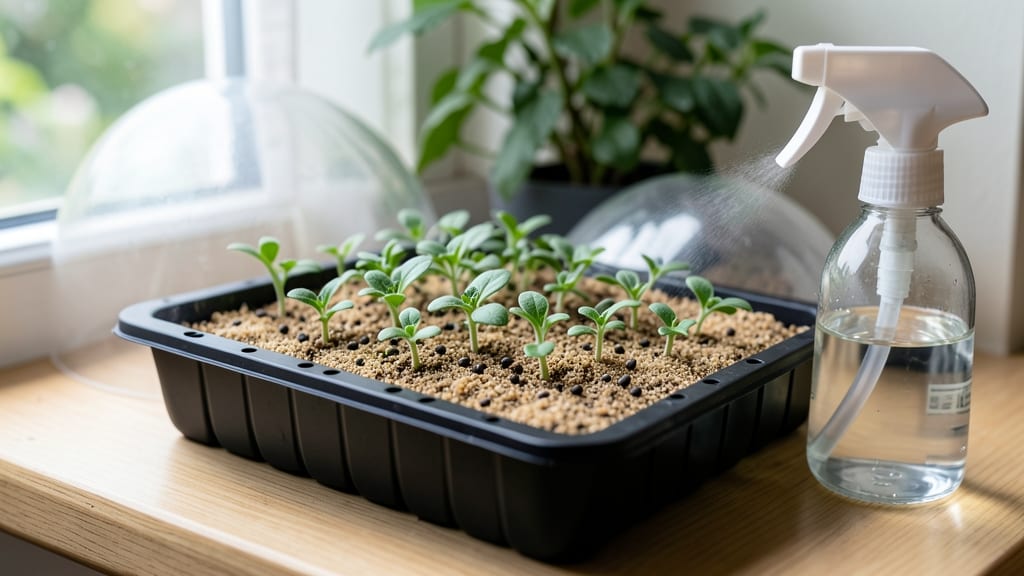
Oregano seeds need three things to break dormancy: warmth, moisture, and patience. 🌱 I’ve tried the traditional soaking method, but this twist—using a damp paper towel—cuts germination time in half while preventing mold. The secret? A consistent 75°F environment and a light misting schedule that keeps soil damp, not soggy.
Start with fresh seeds (store-bought or home-harvested) and a shallow tray filled with a 50/50 mix of perlite and peat moss. Plant seeds just below the surface—no deeper than ¼ inch—since oregano hates being buried.
Cover the tray with plastic wrap to trap humidity, then place it near a sunny window or under a grow light. Germination takes 14-21 days, but don’t be surprised if sprouts appear in as few as 10 days with ideal conditions.
Once those first green shoots break through, remove the plastic and introduce bright, indirect light to prevent leggy growth. Thin seedlings to 2 inches apart when they’re about 3 inches tall, and expect your first true leaves to appear in 3-4 weeks.
The real magic happens when you transplant them outdoors after the last frost—your kitchen will soon smell like a Mediterranean summer.
Troubleshooting is simple: if seeds rot, you’re overwatering; if they stay dormant, bump the heat to 80°F. For slow starters, try stratifying seeds in the fridge for 7 days before planting. With this method, you’ll go from seed to harvest-ready plants in 3 months—no guesswork, just reliable results.
📚 In This Guide
- What you need
- Instructions
- Tips and common mistakes
- Wrapping up and next steps
What you need
- ● Oregano seeds – Fresh, high-quality seeds (check the packaging for viability dates; aim for 80-90% germination rate if possible). Quantity: 10-20 seeds (for testing) or 50+ (for planting).
- ● Seed-starting mix – Lightweight, sterile potting soil (avoid garden soil—it’s too dense!). Quantity: 1-2 small seed trays (4-6" deep) or 10-12 cell packs.
- ○ Containers – Seed trays with drainage holes or small pots (3-4" diameter). Optional: Plastic or biodegradable seed starter pots for easy transplanting.
- ● Spray bottle – Fine-mist setting for gentle watering (avoid over-saturating seeds).
- ● Clear plastic wrap or humidity dome – To retain moisture during germination (a ziplock bag works in a pinch!).
- ○ Heat mat (optional but helpful) – Set to 70-75°F (21-24°C) to speed up germination (oregano loves warmth!).
- ● Grow lights or sunny windowsill – 12-16 hours of light daily after sprouting (south-facing window or LED grow lights work best).
- ● Patience – Oregano seeds can take 14-30 days to germinate (longer in cooler temps).
- ● Consistency – Keep soil moist but not soggy (overwatering = mold risk).
- ○ Pre-soaking (optional) – Soak seeds in lukewarm water for 24 hours to soften the hard outer shell (may reduce germination time).
- ● Labeling – Use toothpicks and labels to track seed varieties (especially if testing multiple types!).
Step-by-step oregano seed germination test
Here's how to test oregano seeds for viability—no guesswork, just science-backed results.
🌱 Step 1: Select and Prepare Your Seeds
Gather 10-15 fresh oregano seeds (older seeds germinate poorly). Place them in a small bowl and cover with lukewarm water for 24 hours. This softens the seed coat and helps identify viable seeds—they'll sink to the bottom while empty or dead ones float.
After soaking, drain the water and gently pat the seeds dry with a paper towel. Discard any that remain floating or look shriveled. The good seeds will feel plump and firm. This step ensures you're only working with seeds capable of sprouting.
💧 Step 2: Set Up the Germination Test
Line a shallow dish with a damp paper towel—it should feel moist but not dripping. Arrange the selected seeds about 1 inch apart on the towel, spacing them evenly. Fold the towel edges over the seeds to keep them in place while maintaining moisture.
Place the dish inside a clear plastic bag (like a ziplock) and seal it loosely. This creates a humid microclimate that mimics natural conditions. Store the setup in a warm spot, ideally between 70-75°F, like on top of your fridge or near a sunny window.
⏰ Step 3: Monitor for Sprouting
Check the seeds every 2-3 days, misting the paper towel with water if it begins to dry out. Viable oregano seeds typically sprout within 7-14 days, though some may take up to 3 weeks. Look for tiny white roots emerging first, followed by a small shoot.
Once you see 3-5 sprouted seeds, you've confirmed viability. If none sprout after 21 days, those seeds are no longer viable. This test gives you concrete data to decide whether to buy fresh seeds or try another batch.
🌿 Step 4: Transplant Viable Sprouts (Optional)
If you've confirmed viability and want to grow the seedlings, transplant them into 2-3 inch pots filled with well-draining potting mix. Plant each sprout ½ inch deep, cover lightly with soil, and water gently. Place the pots in bright, indirect light until they develop their first true leaves.
Oregano seedlings need at least 6 hours of sunlight daily once established. Thin them to the strongest sprout per pot, as overcrowding leads to weak, leggy plants. This step turns your test into a head start for next season's garden.
Tips & tricks for perfect oregano seed germination
Between us, testing oregano seeds for viability is all about patience and precision—here's how to make sure you get reliable results every time.
Seed Selection Matters: The 24-hour soak in lukewarm water isn't just about softening the seed coat—it's your first quality control measure. Discard any seeds that float, as they're either empty or dead. For best results, use seeds from this year's harvest, as they've been proven to have higher viability. I've found that seeds older than two years often fail this test entirely, no matter how carefully you follow the steps.
Humidity Control: That plastic bag creates a greenhouse effect, but it's easy to overdo it. If condensation forms on the inside of the bag, open it slightly to let excess moisture escape. The paper towel should stay damp, not soggy—think of it as a sponge that's been wrung out, not dripping. Too much moisture can cause mold, while too little will dry out the seeds before they sprout.
Temperature Consistency: The ideal 70-75°F range is crucial because oregano seeds are Mediterranean plants that thrive in warm conditions. If your home runs cooler, place the setup on top of your refrigerator or near a sunny window. I've seen seeds sprout faster in these conditions, sometimes within the 7-14 day window rather than approaching the 3-week maximum. A heat mat designed for seedlings can also help maintain consistent warmth if your environment is unpredictable.
Visual Cues for Success: When checking for sprouts every 2-3 days, look for the tiny white roots first—they're the clearest sign of life. The shoot will follow, but sometimes you'll see just the roots before the green appears. Once you've confirmed viability with 3-5 sprouted seeds, don't be tempted to rush the process. The 21-day cutoff is firm because oregano seeds that don't sprout within this window are biologically dead, no matter how long you wait.
Pro Tips for Oregano Seed Germination
- Between us, testing oregano seeds for viability is all about patience and precision—here's how to make sure you get reliable results every time.
- Seed Selection Matters: The 24-hour soak in lukewarm water isn't just about softening the seed coat—it's your first quality control measure.
- Humidity Control: That plastic bag creates a greenhouse effect, but it's easy to overdo it.
Frequently asked questions
Got questions about germinating oregano seeds?
You’re not alone! Here are answers to the most common queries to help you grow lush, thriving oregano plants with ease.
How long does it take for oregano seeds to germinate?
Oregano seeds typically sprout within 14 to 30 days under ideal conditions—warmth (70–75°F), consistent moisture, and indirect light. Patience is key! If you don’t see sprouts in 4 weeks, try soaking seeds overnight in warm water or check their viability with a twist test.
Do oregano seeds need light to germinate?
Nope! Oregano seeds germinate best in darkness first. Keep them covered (with a damp paper towel or in a sealed container) until sprouts appear. Once they break through, move them to bright, indirect light (like a sunny windowsill) to prevent leggy seedlings.
What’s the best temperature for germinating oregano seeds?
Oregano thrives in warmth, so aim for 70–75°F (21–24°C). Use a seedling heat mat if your home runs cooler. Avoid extreme temps—below 60°F slows germination, while above 80°F can cause rot or mold.
Can I use store-bought oregano seeds for germination?
Store-bought oregano seeds (from packets) are fine, but check the expiration date—older seeds may have lower viability. For higher success, opt for organic, heirloom seeds from reputable nurseries or harvest seeds from mature oregano plants yourself!
What if my oregano seeds aren’t sprouting?
Try these fixes:
- Test viability: Crush a seed—if it’s hard and green inside, it’s good. Brown or mushy = time to try new seeds.
- Soak seeds: Place them in warm water for 12–24 hours before replanting.
- Adjust conditions: Ensure moisture (not soggy) and warmth. A clear plastic bag over the container creates a mini greenhouse.
- Try stratification: Refrigerate damp seeds for 1–2 weeks to mimic winter and trick them into germinating.
Can I germinate oregano seeds indoors without soil?
Use the paper towel method for faster results:
- Moisten a paper towel and place seeds between two layers.
- Roll it up and secure with a rubber band.
- Store in a sealed plastic bag in a warm, dark spot.
- Check daily—once sprouts (1/4-inch tall) appear, transplant to soil.
Wrapping up and next steps
Mastering oregano seed germination unlocks a world of fresh, fragrant herbs right from your garden! With the right conditions—moisture, warmth, and patience—you’ll soon enjoy thriving plants for next year’s harvest. 🌱
Ready to take the next step?
Once your seeds sprout, transplant them carefully into well-draining soil and watch your oregano thrive. Happy growing!