
Lawn
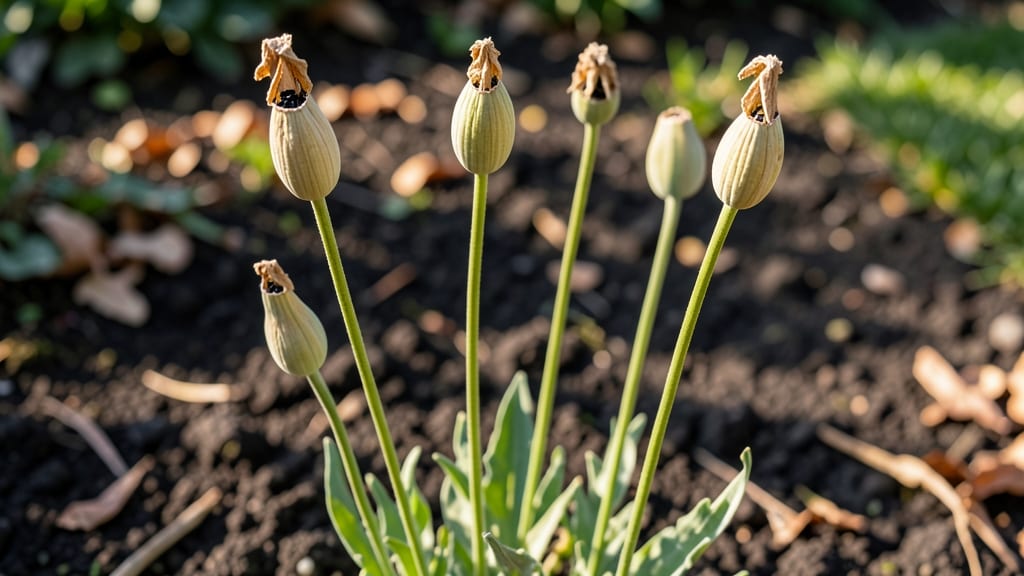
Those delicate oriental poppy seed pods hold the key to next year’s bold, papery blooms—if you handle them right. 🌸 I’ve learned the hard way that rushing the drying process or storing them improperly means wasted potential, but with the right steps, you’ll have pods that last for years and guarantee stunning spring displays.
The magic starts with cold stratification—mimicking winter’s chill to break seed dormancy. After blooms fade, leave pods on the plant until they turn tan and crispy, then harvest them in dry weather.
A paper bag works perfectly for drying, but avoid plastic—it traps moisture and invites mold. Once fully dry, store pods in a cool, dark place where they’ll stay viable for 3-5 years.
What you’ll end up with isn’t just seeds—it’s a treasure trove for next spring. The papery pods themselves make gorgeous dried arrangements, while the seeds themselves produce those iconic, velvety blooms that no nursery can replicate.
Plus, you’ll skip the guesswork of buying transplants and grow exactly the colors you love.
Whether you’re a first-timer or a seasoned gardener, this method works for any climate. The only real mistake is not trying it—so grab those pods before they scatter, and let’s get them ready for their big debut next year.
📚 In This Guide
- What you need
- Instructions
- Tips and common mistakes
- Wrapping up and next steps
What you need
- ● Oriental poppy seeds: 1–2 packets (or 1–2 grams) of Papaver orientale seeds (ensure they’re fresh for best germination).
- ● Cold-stratification medium: Potting soil (sterile, well-draining mix) – 1 small container (6–8 inches deep).
- ● OR a damp paper towel (for quick stratification).
- ● Containers: Small seedling trays (with drainage holes) – 1–2 trays.
- ● OR plastic bags (resealable) – 2–4 bags (for paper towel method).
- ● Plastic wrap or lid: To retain moisture during stratification.
- ● Spray bottle: For gentle watering (avoid oversaturating).
- ● Labeling tags: To mark seed varieties and dates.
- ● Refrigerator or cold frame: Must maintain temps between 35–45°F (2–7°C) for 4–8 weeks.
- ● Grow lights or sunny windowsill – For post-stratification germination.
- ● Fertilizer (balanced, low-nitrogen) – To boost seedling health after sprouting.
- ○ Heat mat (optional) – Speeds up germination if your space is chilly.
- ● Garden journal – Track stratification progress and blooming timelines!
How to collect and cold-stratify oriental poppy seed pods
Here’s how I preserve these striking seed pods for next year’s garden—no fancy equipment needed.
🌿 Step 1: Harvest Mature Seed Pods at Peak Ripeness
Wait until the pods turn a dry, papery brown and split open slightly along the seams. You’ll hear a faint pop when you tap them gently—this means the seeds are ready. Use clean, sharp scissors to snip the stems just above the first leaf node, leaving a 2-inch stem attached. This helps with handling later.
Don’t rush—if pods are still green, seeds won’t be viable. I like to harvest on a dry, sunny morning so dew doesn’t cling to the pods. Lay them out on a clean towel in a single layer to air-dry for 24 hours. This prevents mold from forming inside the pods.
🪴 Step 2: Store Pods in a Breathable Container
Place the dried pods in a paper bag (not plastic—it traps moisture). I use a brown lunch bag labeled with the variety and year. The paper allows airflow while keeping out pests. Store the bag in a cool, dark place like a basement or garage where temperatures stay between 35-45°F.
Check the pods after 2 weeks—if any feel damp or smell musty, spread them out again to dry. Oriental poppy seeds need this initial drying phase to prevent rot during stratification. If you’re in a humid climate, add a silica gel packet to the bag to absorb excess moisture.
⏰ Step 3: Cold-Stratify for 8-12 Weeks
After 2 weeks of drying, move the pods to the refrigerator. Place them in a sealed plastic bag (this traps cold moisture) and store them on the crisp drawer shelf—the coldest part of most fridges. Check them weekly for condensation. If the bag feels damp, open it for 30 minutes to air out.
This 8-12 week cold period mimics winter conditions, breaking the seed’s dormancy. You’ll know stratification is working when the pods start to soften slightly and the seeds rattle inside. Don’t skip this step—unstratified seeds may sprout unevenly or not at all.
🌱 Step 4: Sow Stratified Seeds in Early Spring
When daytime temperatures reach 50°F consistently, it’s time to plant. Open the pods and gently squeeze them to release the seeds. Sow them ¼ inch deep in well-draining soil—Oriental poppies hate soggy roots. Space seeds 6 inches apart since they’ll grow into 2-3 foot tall plants.
Water lightly after planting, but don’t soak the soil. These seeds need moisture but not saturation. Place the pot in a bright, indirect light spot (like a north-facing window) until sprouts appear in 2-4 weeks. Once seedlings emerge, move them to full sun for 6+ hours daily—this ensures those iconic vibrant blooms next season.
☀️ Step 5: Transplant and Protect Young Plants
After the last frost, harden off seedlings by placing them outside in partial shade for 2 hours the first day, gradually increasing time over 7-10 days. Transplant to the garden when soil is warm (60°F+) and nighttime temps stay above 45°F. Oriental poppies are drought-tolerant once established, but water deeply once a week during their first season.
Here’s the thing—these plants self-seed aggressively, so if you love them, you might not need to stratify again next year. But if you want guaranteed blooms, repeat the process. The key is patience—those delicate, papery blooms are worth the wait.
Tips & tricks for perfect oriental poppy seed pod preservation
These simple strategies will help you maximize your harvest and ensure vibrant blooms next season.
Harvesting Timing: The 24-hour air-drying period after harvest is crucial—don't skip it! I've seen mold develop when pods are left in damp conditions, so always choose a dry, sunny morning. If you're harvesting on a cloudy day, spread the pods on a towel indoors under a fan to speed up drying while preventing moisture buildup.
Container Choice: That paper bag isn't just about airflow—it's also about visibility. I label mine with the variety name and harvest year using a permanent marker on the outside. This prevents mix-ups when you're ready to plant next spring. For large harvests, consider using multiple smaller bags instead of one big one to monitor moisture levels more easily.
Stratification Check: During the 8-12 week cold period, you'll notice the pods softening slightly—that's exactly what you want! If you're impatient and check weekly, gently squeeze the pods. They should feel just slightly yielding, not mushy. This softening indicates the seeds are breaking dormancy. If they feel rock-hard after 12 weeks, they might need a few more weeks in the fridge.
Planting Depth: That ¼ inch planting depth might seem shallow, but Oriental poppy seeds need good airflow to germinate properly. I use a toothpick to make small holes in the soil—it gives me better control than trying to measure with my fingers. If your soil is heavy clay, consider mixing in some sand or perlite to improve drainage, which these poppies crave.
Pro Tips for Oriental Poppy Seed Pods
- These simple strategies will help you maximize your harvest and ensure vibrant blooms next season.
- Harvesting Timing: The 24-hour air-drying period after harvest is crucial—don't skip it! I've seen mold develop when ...
- Container Choice: That paper bag isn't just about airflow—it's also about visibility. I label mine with the variety n...
Frequently asked questions
Got questions about growing and harvesting oriental poppy seed pods? Here are some of the most common ones—plus quick, practical answers to help you nail that stunning next-year display!
When should I harvest oriental poppy seed pods?
Harvest pods when they’re fully dry and papery—usually 4–6 weeks after blooming. Look for brown, crisp textures and a hollow sound when tapped. Avoid harvesting in damp weather to prevent mold. Store pods in a cool, dry place until ready for cold stratification ( Pro Tip: Shake pods gently over a tray to catch seeds as they release!).
How long does cold stratification take for oriental poppy seeds?
Cold stratification mimics winter conditions—place sealed pods in the fridge for 4–8 weeks (or sow directly in fall for a natural process). For best results, use a moist paper towel or peat moss to keep humidity high. Patience is key! Skipping this step may delay or prevent germination.
Can I grow oriental poppies from store-bought seeds without cold stratification?
Store-bought seeds often haven’t undergone stratification, so germination rates drop sharply. For reliable growth, either:
- Buy pre-stratified seeds from specialty nurseries, or
- DIY-stratify them yourself (as above) for 6+ weeks.
Why aren’t my oriental poppy pods opening to release seeds?
Pods may stay closed due to:
- Immaturity: Harvest too early—they need full drying time.
- Humidity: High moisture keeps pods sealed; dry them indoors.
- Pests: Check for aphids or slugs damaging pods.
Are oriental poppy seed pods toxic to pets or kids?
While poppy seeds themselves are non-toxic, the pods and plant sap contain mild irritants. Avoid letting pets chew pods (may cause mild stomach upset). Always supervise kids near plants. For extra safety, wear gloves when handling pods—especially if you’re sensitive to latex (poppy sap can trigger reactions).
Wrapping up and next steps
From their striking visual appeal to their resilience in cold stratification, oriental poppy seed pods are a gardener’s dream for next season’s vibrant display. 🌸 By following the right steps—whether collecting, drying, or storing—you’ll ensure these delicate blooms thrive and reward you with bold, cheerful flowers.
Ready to transform your garden? Start small this fall, and soon you’ll be surrounded by a sea of poppy perfection!
🌱 Next Step: Plan Your Planting
- Mark your calendar for early spring planting (after the last frost).
- Sketch a layout to maximize their bold, airy charm in borders or wildflower patches.
- Gather extra pods to share with fellow gardeners—spreading joy is the best reward! 💛