
Lawn
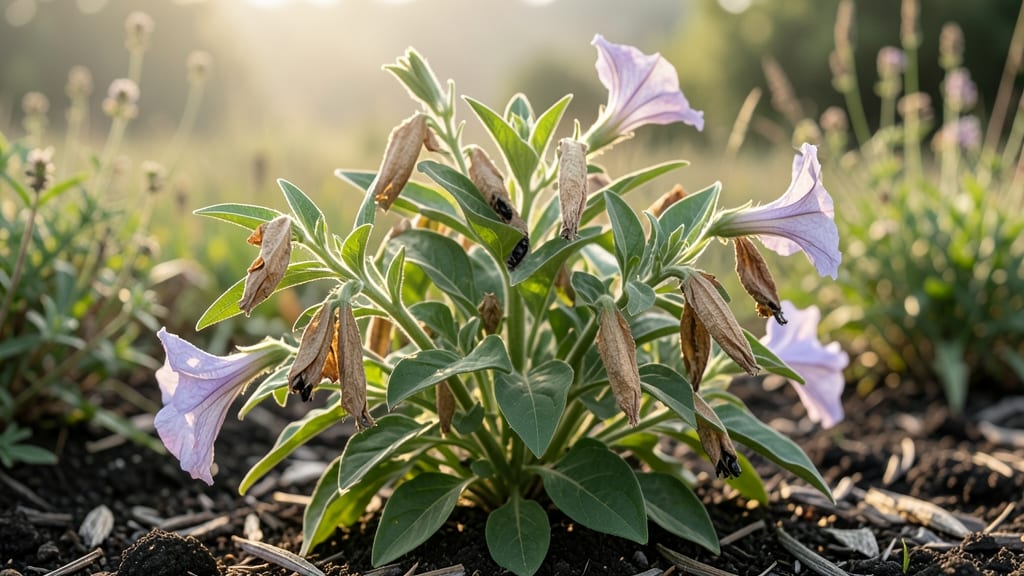
That petunia seed pods image of dried, papery pods holds the secret to next year's vibrant blooms. ✨ The moment they turn from green to brown is your cue to harvest—miss it, and the seeds scatter or lose viability.
I've saved seeds from my favorite varieties for years, and the key is timing: collect when pods are fully dry but still intact, before they split open on their own.
You'll need just a few simple supplies: sharp scissors or pruners, a paper bag for drying, and a cool, dark place to store them.
The process is straightforward—snip open the pods, let the seeds air-dry completely (about 1-2 weeks), then store them in an envelope labeled with the variety and date. Properly dried seeds stay viable for 2-3 years.
What you end up with is a stash of seeds ready to grow into those same showstopping petunias you love. Germination is fast and reliable when seeds are fresh, and you'll get to enjoy blooms that match your garden's exact color palette next season.
Works for all petunia varieties—whether you're saving seeds from grandifloras, multifloras, or trailing types. Here's how to get every stage perfect, from pod to sprout.
📚 In This Guide
- What you need
- Instructions
- Tips and common mistakes
- Wrapping up and next steps
What you need
- ● Petunia plants – Healthy, mature plants with fully developed seed pods (preferably with Petunia × hybrida varieties for best results).
- ● Scissors or pruning shears – Sharp, clean tools to harvest seed pods without damaging them.
- ● Paper bags or breathable mesh bags – 1-2 bags per plant to allow airflow while drying (avoid plastic!).
- ● Labeling tags & permanent marker – To tag pods by variety and harvest date.
- ○ Camera or smartphone – With a macro lens or zoom for crisp petunia seed pods images (optional but recommended).
- ● Drying tray or baking sheet – Line with parchment paper for even drying.
- ○ Fan (optional) – A gentle breeze speeds up drying without damaging pods.
- ● Air-tight containers – Small jars or envelopes with silica gel packets (to absorb moisture).
- ○ Magnifying glass (optional) – Helps inspect seed pods for pests or mold.
- ● Wait until seed pods turn brown and papery—never harvest green pods!
- ● Choose a dry, well-ventilated area (60–70°F is ideal).
- ● Work in direct sunlight or under grow lights for photography (if capturing images).
How to dry petunia seed pods for maximum viability
Here’s the foolproof method I use to collect and dry petunia seed pods—ensuring you save seeds that sprout strong and true.
🌿 Step 1: Harvest Mature Seed Pods at the Right Time
Wait until the petunia flowers have fully wilted and the seed pods turn a deep brown color—this usually happens about 4-6 weeks after flowering. The pods should feel dry and papery to the touch, not soft or green. If you pick them too early, the seeds won’t be fully developed, and if you wait too long, they’ll burst open and scatter.
Use clean scissors or pruners to snip the pods from the stem, leaving about ½ inch of stem attached. This helps prevent moisture loss while drying. Place the pods in a paper bag—this allows airflow while keeping them contained. I like to label the bag with the petunia variety and harvest date, so I don’t mix them up later.
💧 Step 2: Dry the Pods in a Controlled Environment
Spread the harvested pods out on a clean, dry surface in a warm, dry, and well-ventilated area. A 65-75°F room works perfectly—too hot or humid, and the pods may mold before drying. I avoid direct sunlight, as UV rays can degrade seed viability over time. Instead, place them near a window with indirect light or under a fan for gentle airflow.
Leave the pods undisturbed for 7-10 days, checking occasionally to ensure they’re drying evenly. If you notice any signs of moisture—like condensation on the bag or a musty smell—move them to a drier spot immediately. The pods should feel completely dry and brittle when you gently squeeze them.
✂️ Step 3: Extract and Store the Seeds Properly
Once the pods are fully dry, carefully open them by gently squeezing or pressing with your fingers. You’ll hear a soft crackling sound as the seeds release. Be patient—don’t rush this step, or you might damage the tiny seeds inside. I like to lay the pods on a clean sheet of white paper to make it easier to spot and collect the seeds.
Transfer the seeds into a small envelope or airtight container. Label it clearly with the petunia variety and the harvest year—this helps track which seeds are freshest. Store the container in a cool, dark place, like a pantry or seed drawer. Properly stored, petunia seeds can remain viable for 2-3 years, though germination rates drop slightly over time.
🌱 Step 4: Test Seed Viability Before Planting
Before sowing, do a quick viability test to ensure your seeds are still good. Place 10-15 seeds on a damp paper towel in a sealed plastic bag. Keep them in a warm spot (around 70°F) for 7-10 days. If most of the seeds sprout within that time, they’re ready to plant. If fewer than half sprout, consider treating them with a seed-starting gel or planting extra seeds to compensate for lower germination rates.
This simple test saves time and frustration—you’ll know exactly what to expect when you finally plant them. And if the seeds don’t sprout? No worries—just try again next season, as petunias are easy to grow from fresh seed.
Tips & tricks for perfect petunia seed pod preservation
These little details make all the difference when saving seeds that'll grow into vibrant petunias next season.
Timing is Everything: The 4-6 week window after flowering is critical—this is when petunia pods develop fully mature seeds. I've learned the hard way that picking too early means underdeveloped seeds, while waiting too long risks them bursting open. Look for that deep brown color and papery texture to know they're ready. If you're unsure, wait an extra week rather than harvesting early. The extra patience pays off when you see those seeds sprout strong.
Environmental Control: That 65-75°F range isn't just arbitrary—it's the Goldilocks zone for drying. Too hot and you risk mold; too cool and drying takes forever. I've had success using a dehumidifier in my drying area during humid summer months. Place pods on a wire rack instead of directly on surfaces to ensure airflow on all sides. A small fan on low setting creates gentle circulation without disturbing the pods. Think of it like creating your own mini greenhouse with perfect conditions.
Seed Extraction Technique: When it's time to open those brittle pods, I've found using two clean fingers to gently squeeze works best. The satisfying crackling sound tells you it's working! For particularly stubborn pods, place them in a paper bag and gently shake—sometimes gravity helps release those tiny seeds. Never use your mouth to blow out seeds (as tempting as it is)—this risks contamination. A clean sheet of white paper makes seed collection effortless by providing contrast against the dark seeds.
Pro Tips for Petunia Seed Pods Image
- These little details make all the difference when saving seeds that'll grow into vibrant petunias next season.
- Timing is Everything: The 4-6 week window after flowering is critical—this is when petunia pods develop fully mature ...
- Environmental Control: That 65-75°F range isn't just arbitrary—it's the Goldilocks zone for drying. Too hot and you r...
Frequently asked questions
Got questions about petunia seed pods? You’re not alone!
Here are the most common queries—plus quick, actionable answers—to help you master seed-saving like a pro.
When do petunia seed pods turn brown and dry?
Petunia seed pods typically start browning 4–6 weeks after flowering. They’re fully dry and ready for harvest when they turn crispy, papery, and easily crumble between your fingers. Avoid harvesting too early—green pods won’t yield viable seeds!
How long does it take for petunia seed pods to dry indoors?
With proper airflow (like a mesh bag or open container), pods dry in 1–2 weeks indoors. Place them in a warm, dry spot (60–70°F) away from direct sunlight. Speed up drying with a fan on low to prevent mold.
What if my petunia seed pods won’t dry?
Humidity is the #1 culprit! If pods stay damp or moldy:
- Increase airflow: Use a dehumidifier or open windows.
- Switch locations: Move to a dry, shaded area (like a pantry).
- Try silica gel: Place pods in a sealed container with drying crystals for 24–48 hours.
Can I save petunia seeds from store-bought flowers?
Yes, but check the label first—many hybrid petunias (like ‘Wave’ or ‘Supertunia’) produce sterile seeds that won’t grow true to parent plants. For reliable seeds, grow heirloom or open-pollinated varieties (e.g., ‘Mitchell Diploid’).
How do I store dried petunia seed pods for next year?
Once fully dry, remove seeds from pods and store them in:
- A paper envelope or glass jar with a desiccant packet.
- A cool, dark place (like a fridge) for up to 3 years.
- Label with the date—seeds lose viability over time!
Pro tip: Test a few seeds after 1 year to check viability before long-term storage.
What do healthy petunia seeds look like?
Viable petunia seeds are tiny, flat, and dark gray/black (about 1–2mm wide). Discard any that are:
- Shriveled or white/pale (non-viable).
- Moldy or sticky (contaminated—toss immediately!).
Sow only plump, uniform seeds for the best germination rates!
Wrapping up and next steps
Capturing the perfect petunia seed pods image during their drying stages is just the beginning—your patience and care will reward you with vibrant, healthy blooms next season! 🌱 By understanding each stage—from green and plump to brown and crisp—you’ll ensure your seeds stay viable and ready for planting.
Now that you’re equipped with the knowledge, why not share your progress with fellow gardeners or experiment with preserving seeds for future projects?
🌿 Next Steps to Try:
- Label your dried seed pods for easy identification.
- Store them in a cool, dry place until planting season.
- Document your journey with more petunia seed pods images for a fun garden journal!