
Lawn
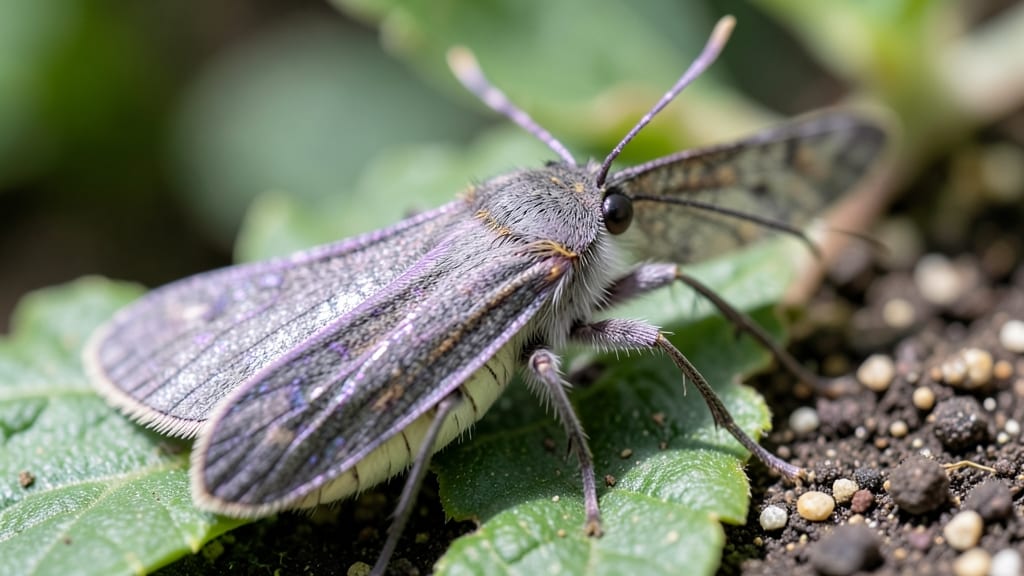
Those tiny purple moths fluttering around your carrots might seem harmless, but they’re silently sabotaging your seed harvest. 🌱 The purple carrot seed moth (Depressaria pastinana) turns your carefully saved seeds into a buffet for their larvae, leaving you with nothing but frustration.
I’ve battled them for years, and I’ve learned the exact steps to protect your crop—from the moment you plant to the day you store seeds.
The damage starts small but escalates fast: tiny holes in leaves, stunted seedlings, and—worst of all—empty seed pods. Without intervention, these moths can wipe out an entire harvest in weeks. The good news?
Prevention is simple—row covers, trap crops, and pheromone traps work like magic when used early. I’ll walk you through the most effective methods, so you can save seeds without the heartbreak.
By the end, you’ll know how to spot infestations early, choose the right controls for your garden, and store seeds that stay viable for years. No more wasted effort—just a steady supply of homegrown carrots and the satisfaction of a pest-free harvest. Let’s get those seeds safe and sound.
This works for home gardeners, no matter your space or experience level. Whether you’re growing in a backyard plot or a container, these strategies adapt easily. Ready to reclaim your seed harvest? Here’s how to outsmart the purple carrot seed moth once and for all.
📚 In This Guide
- What you need
- Instructions
- Tips and common mistakes
- Wrapping up and next steps
What you need
- ● Purple carrot seed heads: 10–20 mature, fully dried heads (ensure no signs of pest damage).
- ● Paper bags (kraft or brown): 10–15 bags (4" x 6" or larger), labeled with the harvest date.
- ● Scissors or pruning shears: Sharp, clean pair for clean cuts.
- ● Fine-mesh seed-saving bags or envelopes: 5–10 (1–2 oz capacity) for long-term storage.
- ○ Desiccant packets (optional): 2–3 (for moisture control in storage containers).
- ● Small paintbrush or soft-bristle brush: For gently dislodging seeds from heads.
- ○ Magnifying glass (optional): Helps spot tiny seeds or pest signs.
- ● Plastic or glass storage containers (airtight):** 1–2 (with lids, for seed storage).
- ● Labeling supplies: Permanent marker + sticky notes (for tracking seed varieties).
- ● Dry, sunny weather (humidity <60%) for harvesting.
- ● Patience—wait until seed heads are completely dry and brown before harvesting.
- ● Knowledge of your local purple carrot seed moth lifecycle (harvest before eggs hatch!).
Step-by-Step instructions for harvesting purple carrot seeds without seed moth infestation
Here's how to collect high-quality purple carrot seeds while keeping those pesky seed moths out of your storage.
🌱 Step 1: Identify and Select Healthy Seed Stems
Wait until your purple carrots produce 3-4 inch tall seed stalks with clusters of tiny white flowers. These mature into seed heads, but only choose stalks that are straight, sturdy, and free of yellowing or wilting. I always pick on a dry morning after the dew has evaporated—this prevents mold from forming on the stems.
Gently twist the stem at the base until it snaps cleanly. If it resists, you're pulling too hard and may damage the root. Place the stalks in a paper bag immediately to keep them dry. The goal is to collect seeds before they shatter naturally on the ground, which is when seed moths get their chance to lay eggs.
🌿 Step 2: Dry and Clean the Seed Heads
Hang the seed stalks upside down in a well-ventilated, dry location where they receive indirect sunlight for 7-10 days. I use a mesh laundry bag suspended from a hook in my garage. The airflow prevents mold while the shade keeps seeds from overheating. You'll know they're ready when the seed heads turn brown and papery.
Once dry, gently rub the seed heads between your hands over a clean sheet of newspaper. The seeds will fall out while the chaff stays behind. Avoid using a fan or blowing—this can scatter seeds everywhere. If you see any webbing or tiny black specks (seed moth larvae), discard those stalks immediately and start fresh with a new batch.
🪴 Step 3: Store Seeds in Airtight Containers with Moth Protection
Transfer the cleaned seeds into small glass jars or vacuum-sealed bags—these are the only containers that reliably keep seed moths out. I add a silica gel packet to absorb moisture, which moths need to lay eggs. Seal the container tightly and label it with the variety name and harvest date.
Store the sealed containers in a cool, dark place like a pantry or root cellar. Purple carrot seeds stay viable for 3-5 years under these conditions. If you notice any signs of moth activity—like tiny holes in the packaging or webbing—freeze the seeds for 48 hours to kill any eggs before resealing.
⏰ Step 4: Monitor and Rotate Storage Regularly
Check your stored seeds every 6 months for signs of infestation. Seed moths can lay dormant for months, so early detection is key. If you find any webbing or larvae, discard those seeds immediately and clean the storage area thoroughly with a 10% vinegar solution.
Rotate your seed stock annually by planting the oldest seeds first. This ensures you always have fresh, viable seeds while minimizing the risk of moth infestation. I keep a small notebook to track which jars I open most often—this helps me stay organized and catch problems early.
Tips & tricks for perfect purple carrot seed harvesting
Here's what nobody tells you about keeping your precious purple carrot seeds moth-free from start to finish.
Timing is Everything: The 7-10 day drying period in Step 2 is non-negotiable for two reasons. First, seeds need this time to fully mature and separate from the chaff. Second, any shorter and you risk residual moisture that seed moths love. I've learned this the hard way—after rushing the process, I ended up with damp seeds that attracted moths within weeks. Place a small hygrometer near your drying area to aim for 40-50% humidity during this period. This gives you a concrete number to work toward rather than just "feels dry."
Visual Cues for Perfect Harvest: In Step 1, look for seed stalks where at least 70% of the flowers have turned from white to yellow-brown. This indicates they're ready for harvesting. For Step 2, your seed heads should be completely brown and crispy—not just slightly dried. If you're unsure, gently squeeze a seed head: it should crumble easily between your fingers. This texture tells you the seeds are ready to separate cleanly.
Storage Strategy Beyond the Basics: While Step 3 mentions glass jars, I've found that adding a second silica gel packet to containers holding more than 1 cup of seeds creates an extra moisture barrier. Seed moths can survive in slightly damp conditions, so don't skimp on these packets. Also, consider labeling your containers with the harvest date in permanent marker—regular ink fades and can make your notebook tracking useless over time.
Pro Tips for Purple Carrot Seed Moth
- Here's what nobody tells you about keeping your precious purple carrot seeds moth-free from start to finish.
- Timing is Everything: The 7-10 day drying period in Step 2 is non-negotiable for two reasons.
- Visual Cues for Perfect Harvest: In Step 1, look for seed stalks where at least 70% of the flowers have turned from white to yellow-brown.
Frequently asked questions
Got questions about purple carrot seed moths and their impact on your harvest?
Here are some of the most common concerns—and their solutions—to keep your seeds safe and your garden thriving.
How do I know if my carrots have purple carrot seed moth infestation?
Look for small holes in carrot leaves or white, silky webbing near the foliage. Larvae may also tunnel into carrot tops, causing wilting or stunted growth. Check under leaves and around the base of plants—early detection is key!
When is the best time to act if I find purple carrot seed moths?
Act immediately if you spot signs! These moths lay eggs year-round in mild climates, so remove infested plants ASAP to prevent larvae from burrowing into carrots. Monitor weekly during growing season for early intervention.
What natural remedies can I use to control purple carrot seed moths?
Try these eco-friendly fixes:
- Row covers: Use fine mesh to block adult moths from laying eggs.
- Neem oil: Spray on leaves to deter adults and disrupt larvae.
- Diatomaceous earth: Sprinkle around plants (reapply after rain).
- Handpick larvae: Drop them in soapy water during cool mornings.
Will purple carrot seed moths damage the actual carrots I eat?
While larvae prefer carrot tops, severe infestations can chew into the crown (the top of the carrot root). To avoid this, harvest carrots before moths emerge or use protective barriers. Store seeds separately if saving for next season!
Can I still save seeds from carrots affected by purple carrot seed moths?
Only if you isolate healthy plants and inspect seeds thoroughly. Remove any webbing or larvae before drying seeds. For best results, grow trap crops (like cilantro) to lure moths away from seed-saving carrots.
Wrapping up and next steps
Harvesting purple carrot seed moth-resistant seeds doesn’t have to be a tangled mess!
By following these simple steps—from selecting the right tools to storing seeds properly—you’ll ensure a twist-free, high-quality harvest every time. 🌱 Whether you’re a seasoned gardener or just starting out, these tips will help you protect your crop and maximize yield.
Ready to take the next step? Start small—try harvesting a few rows first to refine your technique. Then, expand your efforts and share your success with fellow gardeners! Happy harvesting! 🌿