
Propagation
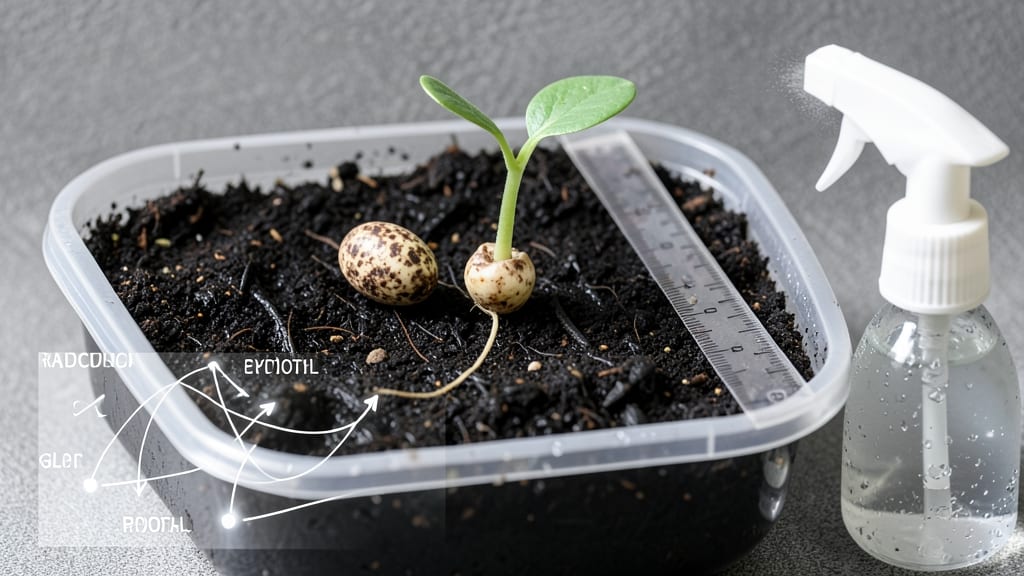
The seed germination definition is that magical moment when a seed wakes up from dormancy and starts growing roots—like nature’s way of bringing new life to your garden. 🌱 The process begins when water soaks into the seed, swelling it just enough to kickstart cellular activity.
Without this first step, called imbibition, nothing happens—no sprouts, no seedlings, just dry seeds waiting for their chance.
Once the seed absorbs water, it enters the activation phase, where enzymes break down stored nutrients to fuel growth. The real magic happens when the radicle (that first tiny root) emerges, anchoring the seedling and pulling in more moisture.
Temperature plays a huge role here—too cold, and seeds stall; too hot, and they can overheat. Most gardeners aim for a cozy 65-75°F range, depending on the plant.
Light comes into play differently for each seed type. Some, like lettuce, need sunlight to germinate, while others, such as tomatoes, prefer darkness until they’ve sprouted. Moisture is non-negotiable—keep the soil damp (not soggy) to avoid suffocating those delicate roots.
If your seeds aren’t sprouting within twice the expected time, check for rot or old seeds that may have lost their viability.
Understanding germination turns guesswork into confidence. With the right conditions, you’ll see those first green shoots in as little as 3-10 days, depending on the plant.
The knowledge you gain here applies to everything from starting your spring veggies to reviving heirloom seeds you’ve saved from last year. Let’s get those seeds sprouting!
📚 In This Guide
- What you need
- Instructions
- Tips and common mistakes
- Wrapping up and next steps
What you need
- ● Seeds: Choose high-quality, fresh seeds (check the packaging date—aim for less than 1 year old for best results). Quantity: Adjust based on your project (e.g., 10–50 seeds for small containers).
- ● Growing Containers: Seed trays with drainage holes (e.g., 72-cell trays for precision).
- ● Small pots (3–4 inches deep) or biodegradable peat pots (for transplanting).
- ○ Optional: Paper towels or dampened coffee filters (for quick germination tests).
- ● Growing Medium: Soilless Mix: Cocopeat, perlite, or vermiculite (sterile and lightweight). Quantity: Enough to fill containers 1–2 inches deep.
- ○ Optional: Seed-starting soil blend (ensure it’s moisture-retentive but well-draining).
- ● Watering Tools: Spray bottle (with fine mist setting) for gentle hydration.
- ● Watering can with rose attachment (for larger setups).
- ● Humidity Dome or Plastic Wrap: To retain moisture and warmth (critical for first 7–10 days).
- ○ Heat Mat (Optional but Helpful): Germination mat set to 70–85°F (21–29°C) for faster sprouting (especially for slow starters like peppers or tomatoes).
- ● Grow Lights or Sunny Windowsill: LED grow lights (12–16 hours/day, 2–3 inches above seeds).
- ● South-facing window (if natural light is sufficient).
- ● Labels & Pen: Waterproof markers or toothpicks to label seeds by type/date.
- ● Know Your Seed’s Needs: Research cold vs. warm stratification or light/dark requirements (e.g., lettuce needs light; beans prefer darkness initially).
- ● Sterilize Tools: Rinse containers and tools with 10% bleach solution (1 part bleach to 9 parts water) to prevent damping-off disease.
- ● Patience & Consistency: Germination times vary—some seeds sprout in 3 days (radishes), others take weeks (orchids)!
Understanding the science behind seed germination
Let’s break down exactly what happens when a seed sprouts—and how to replicate those conditions perfectly.
🌱 Step 1: Define Germination’s Three Core Requirements
Germination begins when a seed absorbs water, swells, and activates enzymes that break down stored nutrients. This process requires three non-negotiable conditions: moisture, oxygen, and warmth—often called the "germination triangle." Without all three, the seed remains dormant, sometimes indefinitely.
Think of it like a chemical reaction: water triggers metabolic activity, oxygen fuels it, and warmth accelerates the process. For example, tomato seeds need soil temperatures between 75-85°F to germinate reliably. Too cool, and they’ll languish; too hot, and they may rot before sprouting.
💧 Step 2: Identify the Four Stages of Germination
The journey from seed to seedling unfolds in four distinct phases: imbibition (water absorption), activation (enzyme activation), cell division, and radicle emergence (the root breaking through the seed coat). Each stage depends on the previous one—skipping a step means failure.
Here’s what to watch for: Within 24-48 hours of proper moisture, you’ll see the seed swell visibly. After 3-7 days, the radicle (primary root) emerges first, followed by the hypocotyl (the stem that pushes upward). This is why you should never disturb seeds during this window—they’re vulnerable to drying out or mechanical damage.
☀️ Step 3: Replicate Ideal Germination Conditions
To maximize success, mimic the seed’s natural environment. Most garden seeds thrive in 60-75% humidity and 65-80°F soil temperatures. Use a seedling heat mat if your space runs cooler—it’s the fastest way to hit that 75°F sweet spot for warm-season crops.
Light isn’t critical during germination (in fact, too much can inhibit it), but oxygen is. That’s why I always use a well-aerated seed-starting mix—never compacted garden soil. Press the mix gently around seeds but leave air pockets intact. You’ll know conditions are right when condensation forms on the dome (if using one) but doesn’t drip onto seeds.
⏰ Step 4: Troubleshoot Common Germination Failures
Seeds that refuse to sprout often fall into three categories: too dry, too cold, or physically damaged. Start by checking moisture—if the soil surface feels dry, the seeds have already lost their water supply. For stubborn seeds, try stratification (cold treatment) or scarification (lightly nicking the seed coat) to mimic natural weathering.
Leggy seedlings? That’s a light deficiency after germination. Move them under grow lights immediately—14-16 hours daily—or they’ll stretch weakly toward any available light source. The key is consistency: once the first true leaves appear, you’ve cleared the germination hurdle. Now the focus shifts to light and nutrient management for robust growth.
Tips & tricks for perfect seed germination
Mastering seed germination isn't just about patience—it's about creating the right conditions from the start. Here's how to optimize every step for success.
Precision with Moisture: The 24-48 hour window for initial swelling is critical—don't overwater, but keep the medium consistently damp like a wrung-out sponge. Too much moisture suffocates seeds by cutting off oxygen, while too little halts enzymatic activity. I use a spray bottle for gentle application, checking moisture by feeling the medium's weight rather than appearance.
Temperature Consistency: Maintaining the 75-85°F range is non-negotiable for warm-season seeds. If your space runs cooler, invest in a seedling heat mat—it's the only reliable way to hit that sweet spot consistently. For cool-season crops, aim for 60-70°F instead. Remember, every degree below optimal can double germination time.
Oxygen Optimization: The well-aerated seed-starting mix isn't just about drainage—it's about maintaining that crucial oxygen supply during the 3-7 day emergence phase. I press the mix gently around seeds with my finger, creating tiny air pockets rather than compacting it. You'll know you've got it right when condensation forms on your dome but doesn't pool.
Light Management: After the radicle emerges, the 14-16 hour daily light requirement becomes critical. Use a timer for your grow lights—consistency matters more than intensity. I've seen seedlings stretch dramatically when light cycles were inconsistent, so set it and forget it once you've got the timing right.
Pro Tips for Seed Germination Definition
- Mastering seed germination isn't just about patience—it's about creating the right conditions from the start. Here's ...
- Precision with Moisture: The 24-48 hour window for initial swelling is critical—don't overwater, but keep the medium ...
- Temperature Consistency: Maintaining the 75-85°F range is non-negotiable for warm-season seeds. If your space runs co...
Frequently asked questions
Got questions about seed germination?
You’re not alone! Here are answers to the most common queries—from timing to troubleshooting—so you can grow with confidence.
What’s the fastest way to germinate seeds?
Speed depends on the seed type, but warmth (70–90°F), moisture, and oxygen are key. Soak seeds overnight (like chives or tomatoes) or use a seedling heat mat for faster sprouts. Fastest germinators? Radishes (3–5 days) and beans (5–7 days).
How long does seed germination take?
Germination time varies wildly—from 2–3 days (radishes, lettuce) to 2–3 weeks (some herbs, tomatoes). Check the seed packet for specifics! If nothing sprouts in twice the expected time, they may be dead or need scarification (scratching the seed coat).
What if my seeds won’t germinate?
Try these fixes:
- Check moisture: Soil should feel like a damp sponge—not soggy or dry.
- Test viability: Soak 10 seeds in water; if <5% float, they’re likely bad.
- Adjust temperature: Some seeds (like peppers) need warmth; others (carrots) prefer cooler temps.
- Scarify or stratify: Nick hard seed coats (e.g., beans) or chill them (e.g., apples) to mimic natural conditions.
Can I germinate seeds without soil?
Use paper towels (moisten and fold), cotton pads, or peat pellets for soil-free starts. Just keep them in a warm, dark place until sprouts appear (2–7 days), then transplant carefully. Great for herbs, lettuce, or slow germinators like tomatoes.
Do I need to soak all seeds before planting?
Nope! Only soak seeds with hard coats (e.g., beans, peas, tomatoes) for 4–12 hours to soften them. Delicate seeds (like marigolds) may rot if over-soaked. Rule of thumb: If the seed packet doesn’t say “soak,” skip this step!
Why do some seeds need cold treatment (stratification)?
Stratification mimics winter conditions to break seed dormancy. Seeds like apples, poppies, or some wildflowers need 4–12 weeks in the fridge (moist but not wet) to germinate. Pro tip: Mix seeds with damp sand or peat moss in a sealed bag for easy storage.
Wrapping up and next steps
Understanding seed germination definition isn’t just about science—it’s your first step toward growing thriving plants! Whether you’re a beginner or a seasoned gardener, knowing the basics of moisture, temperature, and light sets you up for success.
Now that you’re armed with this knowledge, why not take the next step? Try germinating a few seeds at home—start with easy varieties like beans or marigolds—and watch the magic unfold. Happy growing! 🌱✨