
Planting
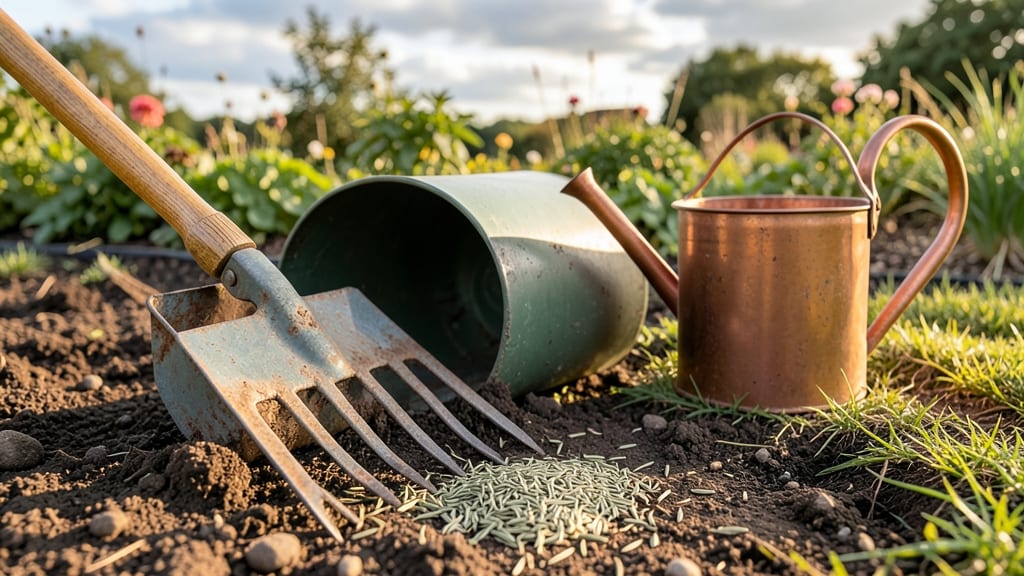
Planting grass seed in spring isn't a one-size-fits-all—timing it right means the difference between a thick, green lawn and months of patchy disappointment.
I've learned that waiting until soil temperatures hit 55-65°F (usually late April to early June) gives seeds the perfect start, but there's more to it than just the calendar. The secret lies in balancing warmth, moisture, and daylight to help seeds germinate consistently.
Here's the thing—most people rush seeding too early when soil is still cold and damp. I made that mistake my first year, and the seeds just rotted in the ground. Instead, aim for when daytime highs are steady in the 60s°F, and nights stay above 50°F.
This window varies by region: Northern zones wait until May or June, while Southern areas can start as early as February or March. A soil thermometer (just $10) takes the guesswork out of it.
When you get it right, you'll see those first tiny sprouts in 7-14 days, with a lush lawn established in 6-8 weeks. The key is keeping soil moist but not soggy—think of it like a wrung-out sponge.
Water lightly twice daily until germination, then taper to deep weekly watering. That first flush of green is worth every bit of patience, and you'll know you've nailed it when your lawn outshines all the neighbors'.
Now, here's where it gets interesting—regional adjustments matter. In cooler climates, consider overseeding in early fall instead; in hot areas, shade cloth helps prevent seeds from drying out.
Either way, proper timing turns spring seeding from a gamble into a guaranteed green success. Let's get those seeds in the ground when they're ready to grow.
📚 In This Guide
- What you need
- Instructions
- Tips and common mistakes
- Wrapping up and next steps
What you need
- ● Grass seed: Quantity: 10–20 lbs per 500 sq ft (varies by seed type; check the package for coverage rates).
- ● Type: Choose cool-season grasses (e.g., Kentucky bluegrass, fescue, ryegrass) for spring planting in most U.S. regions.
- ● Soil testing kit: To check pH and nutrient levels (ideal pH: 6.0–7.0 for most grasses).
- ● Lawn fertilizer: High-phosphorus blend (e.g., 10-20-10 ratio) to promote root growth.
- ● Apply ½ lb of nitrogen per 1,000 sq ft before seeding.
- ● Topsoil or compost: ¼–½ inch layer to improve soil texture and fertility.
- ● Rake: A bow rake (for leveling) and a garden rake (for seedbed prep).
- ● Broadcast spreader: For even seed distribution (manual or electric preferred).
- ● Watering supplies: Hose with gentle spray nozzle (avoid high pressure).
- ● Or a soaker hose for consistent moisture.
- ○ Lawn roller: Optional but helpful for firming seed into soil (use lightly!).
- ● 🌡️ Weather prep: Have a lightweight tarp or shade cloth ready to protect seeds if rain is forecasted within 24 hours of planting.
- ● ✨ Soil amendments: Add lime if your soil is acidic (test first!) or sand for heavy clay soils.
- ● 🔄 Seed mix: For new lawns, blend 30–50% perennial ryegrass (fast germinator) with slower-growing varieties for durability.
Step-by-step guide for planting grass seed in spring
Perfect timing and prep make all the difference—here's how to get your lawn off to the strongest start.
Choose the Right Spring Window
Plant cool-season grasses like Kentucky bluegrass or fescue as soon as the soil warms to 50-55°F in early spring. Warm-season grasses like Bermuda or Zoysia wait until soil reaches 65-70°F, usually 4-6 weeks after your last frost date. Check the forecast for a week of steady temperatures without freezing nights—grass seed won't germinate below 40°F.
I always test soil temperature with a simple thermometer placed 2 inches deep. If you plant too early and temperatures dip, seeds rot in the cold, wet soil. For northern climates, aim for April or early May; southern regions can start as early as February or March. The key is warm soil, not calendar dates.
Prepare the Soil Thoroughly
Remove all existing vegetation by mowing short, then kill remaining grass with a non-selective herbicide (like glyphosate) 2 weeks before planting. Rake up debris and loosen compacted soil with a garden rake to a depth of 3-4 inches. Grass seed needs good soil contact to germinate—fill low spots with topsoil and smooth the surface.
Test soil pH and amend if needed: most grasses prefer 6.0-7.0. Add lime if your soil is acidic or sulfur if it's alkaline. Work amendments into the top 2 inches of soil and water deeply to settle everything. Let the soil dry slightly before seeding—wet soil clumps and prevents good seed-to-soil contact.
Spread Seed Evenly and Lightly
Use a broadcast spreader for large areas or a hand spreader for small patches. Walk in a crisscross pattern to ensure even coverage—5-10 pounds per 1,000 square feet for most grasses. Press seeds lightly into soil with a lawn roller or your foot to ensure contact, but don't bury them deeper than ¼ inch.
Here's where most people mess up: over-seeding leads to wasted seed and competition. After spreading, gently rake the area to create tiny furrows that help seeds settle into the soil without being buried too deep. Water immediately after planting to activate germination.
Water Consistently for Germination
Keep the soil surface evenly moist for the first 2-3 weeks—that's when seeds germinate. Water lightly 2-3 times daily (about ¼ inch per watering) to prevent crusting. You'll know you're doing it right when the top inch of soil stays damp but not soggy. Avoid heavy watering that washes seeds away.
Once seedlings reach 2-3 inches tall, gradually reduce watering to 1 inch per week. At this stage, water deeply but less frequently to encourage deep root growth. I set a rain gauge to track moisture—overwatering smothers new grass while underwatering stresses tender sprouts.
Maintain New Grass Through Establishment
Wait 8-10 weeks before your first mow—longer roots mean stronger grass. Set your mower blade to 3-4 inches for cool-season grasses and 1-2 inches for warm-season types. Never remove more than ⅓ of the blade height at once. Fertilize lightly with a starter fertilizer (high in phosphorus) after the first mow to support root development.
Watch for weeds—they compete aggressively with young grass. Hand-pull any that appear in the first few weeks. Avoid herbicides until the grass is fully established (usually 3-4 months). Once your new lawn reaches 50% coverage, you can gradually transition to regular lawn care routines.
Tips & tricks for perfect spring grass planting timing
Getting your lawn off to the right start means understanding the subtle details that separate a patchy lawn from a lush carpet of green. Here's what I've learned from years of trial and error—and what nobody tells you about spring grass planting.
Soil Temperature is Everything: That 50-55°F soil temperature for cool-season grasses isn't just a suggestion—it's the sweet spot where seeds wake up from dormancy without risking rot. I've seen seeds planted at 45°F simply refuse to germinate, even with perfect moisture. Use an inexpensive soil thermometer (about $10) to check at 2 inches deep—this is where the action happens. If your soil is below 50°F, wait it out. Patience here prevents weeks of wasted effort.
Weather Watching Wins: The instructions mention steady temperatures, but what I've found works even better is tracking the 7-day forecast for both daytime highs and nighttime lows. Grass seeds need warmth to germinate but can't handle freezing temperatures afterward. Aim for nights that stay above 45°F—this gives your new sprouts a fighting chance. I always plant when the forecast shows a warm front moving in, even if it means waiting a few extra days.
Herbicide Timing Secret: That 2-week wait after applying glyphosate is non-negotiable, but here's the part nobody emphasizes: you need to verify the existing grass is completely dead before planting. Run your fingers through the area—if you feel any resistance, the herbicide didn't work. I've had to reapply in spots where thick grass survived, and those areas always show up as bare patches later. For stubborn weeds, consider spot-treating with vinegar (50/50 vinegar/water) a few days before the final herbicide application.
Watering Hack for Germination: The instructions call for 2-3 weeks of consistent moisture, but I've developed a simple test to know when you're doing it right. After each watering, stick a wooden skewer about 1 inch deep into the soil. If it comes out damp but not dripping, you've got the perfect moisture level. Too dry? Water again. Too wet? Wait until the surface feels slightly dry to the touch before watering. This prevents both underwatering and the dreaded seed rot that comes from soggy soil.
Pro Tips for When Plant Grass Seed In Spring
- Getting your lawn off to the right start means understanding the subtle details that separate a patchy lawn from a lu...
- Soil Temperature is Everything: That 50-55°F soil temperature for cool-season grasses isn't just a suggestion—it's th...
- Weather Watching Wins: The instructions mention steady temperatures, but what I've found works even better is trackin...
Frequently asked questions
Got questions about timing, prep, or troubleshooting your spring grass seed? You’re not alone! Here are answers to the most common concerns—so you can plant with confidence and grow that dreamy lawn.
What’s the exact best time to plant grass seed in spring?
The ideal window is when soil temps hit 55–65°F (13–18°C) at 4” deep—usually late April to early June in most U.S. regions. Check your local frost dates and seed package for variety-specific advice. Pro tip: Morning soil temps (not afternoon peaks) are your best guide!
Can I plant grass seed if rain isn’t in the forecast?
Water lightly 2–3x daily (10–15 mins per session) to keep soil moist until germination (5–21 days, depending on grass type). Use a gentle spray nozzle to avoid washing seeds away. Mulch with straw (not hay!) to lock in moisture.
What if I miss the spring planting window?
Don’t panic! Cool-season grasses (like Kentucky bluegrass) can still go in early fall (Sept–Oct), while warm-season grasses (Bermuda, Zoysia) thrive in late spring/early summer. Overseeding in fall is also a great way to thicken thin lawns. Just adjust watering and prep for the new season!
How do I keep weeds and pests from ruining my new grass?
Start with weed-free soil: till or rake to remove debris, then apply corn gluten meal (natural pre-emergent). For pests, use grub control (like milky spore) before planting. Once grass reaches 3–4”, mow high (3–4”) to shade out weeds. Avoid herbicides until new grass is established!
My grass looks patchy—did I plant too late?
Not necessarily! Patchiness often comes from uneven seed distribution, poor soil contact, or drought stress. Rake lightly to check seed depth (¼” max), and water deeply. If gaps persist, spot-seed in 4–6 weeks or overseed in fall. Slow and steady wins the lawn game!
Wrapping up and next steps
Spring is the perfect time to transform your lawn into a vibrant, lush carpet—and you’ve got all the tools to make it happen! 🌱 By choosing the right seed variety, preparing the soil, and timing your planting for ideal conditions, you’re setting the stage for a thriving lawn.
Remember: patience and consistency are key, so stay on top of watering and maintenance as your grass takes root.
Ready to take the next step? Grab your gloves, pick your seed, and start planting! Your future lawn will thank you—one blade at a time. 🌿