
Lawn
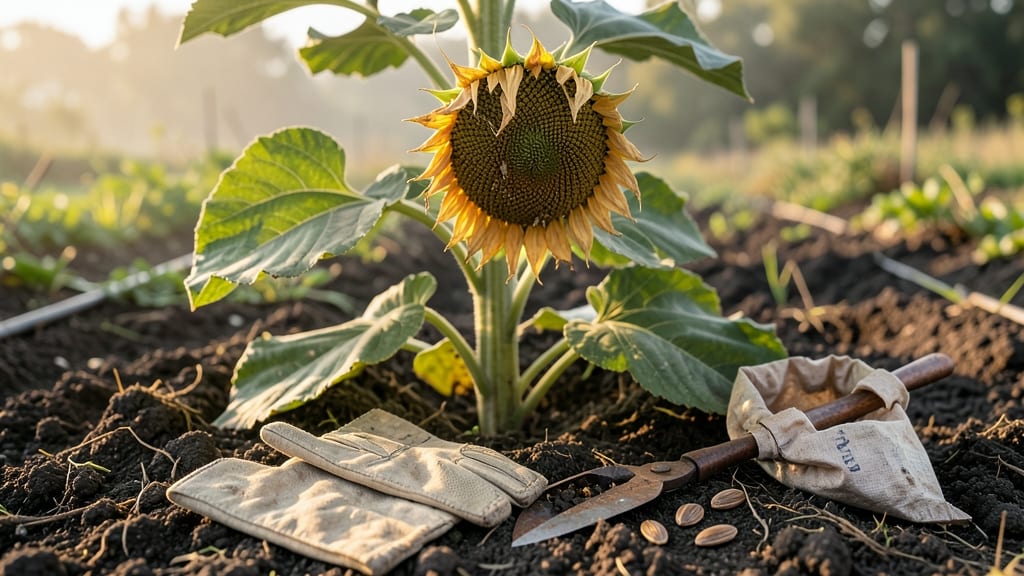
Your sunflower seed heads hold the secret to next year’s garden magic. ✨ Dried and stored properly, they become your free source of heirloom seeds—no seed packets needed. I’ve saved seeds from my sunflowers for three years now, and each batch grows even taller and more vibrant than the last.
Timing is everything: harvest when the back of the seed head turns brown and the seeds rattle inside. Cut the heads with 6 inches of stem, then hang them upside down in a dry, well-ventilated spot.
A garage or basement works perfectly—just keep them away from direct sunlight or humidity. Within 4-6 weeks, the seeds will be fully dry and ready for storage.
Once dry, crack open the seed heads and sift out the chaff to reveal plump, viable seeds. Store them in a sealed container in your freezer for up to 5 years, or keep them in a cool, dark place for 1-2 years.
The payoff? A garden full of sunflowers that look exactly like their parents—just as tall, just as cheerful.
Pro tip: If you notice mold or pests, toss those seeds immediately. For extra insurance, soak seeds in a 1% bleach solution for 5 minutes before drying. This simple step keeps your next season’s sunflowers thriving without the guesswork.
📚 In This Guide
- What you need
- Instructions
- Tips and common mistakes
- Wrapping up and next steps
What you need
- ● Mature sunflower seed heads – Choose fully browned, dry heads (no green or damp spots) from healthy plants.
- ● Sharp pruning shears or scissors – For cleanly harvesting stems (4–6 inches long).
- ● Brown paper bags or breathable mesh bags – 1–2 per seed head (avoid plastic to prevent mold).
- ○ Newspaper or cardboard – For drying layer (optional but helpful for bulk storage).
- ● Air-tight containers (glass jars, resealable bags) – For long-term seed storage (quart-sized or larger).
- ● Desiccant packets (silica gel) – 1–2 per container to absorb moisture.
- ● Permanent marker – To label varieties/years (e.g., "Black Oil 2024").
- ● Rubbing alcohol (70%+) – Small bottle for sterilizing tools.
- ● Fan or dehumidifier – Speeds up drying in humid climates.
- ● Seed catalog or notebook – Track germination rates and notes on each variety.
- ● Sunlight or grow lights – For indoor drying (bright, indirect light only).
- ● Fine-mesh strainer – To separate seeds from chaff post-drying.
Step-by-Step instructions for harvesting and storing sunflower seed heads
Here's how I save sunflower seeds year after year—simple, reliable, and ready for next spring.
🌿 Step 1: Choose and Harvest Mature Seed Heads
Wait until the back of the seed head turns completely brown and the petals have dried and fallen off. This usually happens 8-12 weeks after flowering, depending on your variety. I like to harvest on a dry morning after the dew has evaporated—wet seed heads take longer to dry properly.
Use clean, sharp pruning shears to cut the stem about 6 inches below the seed head. This leaves room for handling without damaging the base. Place the harvested heads in a dry, shaded spot indoors to finish drying. If you harvest too early, the seeds won't mature fully and may not germinate next year.
⏰ Step 2: Dry Seed Heads Thoroughly Indoors
Hang the seed heads upside down in a well-ventilated area with good airflow, like a garage or basement. I use a string tied through the stem and hang them from a hook or nail. This prevents moisture buildup and ensures even drying. Let them dry for 2-4 weeks until the seed head feels light and the seeds rattle when shaken.
Check daily for signs of mold or pests—if you see any, remove the affected heads immediately. The seeds should be completely dry and hard to the touch. If they still feel damp, continue drying for another week. Proper drying prevents seed rot and ensures high germination rates.
🪴 Step 3: Remove Seeds from Dried Heads
Once fully dry, place the seed head in a paper bag and seal it tightly. Shake the bag vigorously for 30-60 seconds to dislodge the seeds. The seeds will fall to the bottom while the chaff stays in the bag. I repeat this process 2-3 times to ensure all viable seeds are collected.
Spread the seeds on a clean, dry towel or paper plate to remove any remaining chaff. Discard the empty seed heads—compost them if you like, but don't store them. Store the clean seeds in a labeled envelope or small container. Labeling is key—I write the variety and harvest year to avoid confusion.
💧 Step 4: Store Seeds Properly for Next Year
Place the seeds in an airtight container, like a glass jar or resealable plastic bag. Store them in a cool, dark place with consistent humidity, such as a refrigerator or seed storage box. Seeds stored this way can remain viable for 3-5 years, though germination rates drop slightly after the first year.
Check the seeds every few months for moisture or pests. If you notice any dampness, transfer them to a fresh container immediately. Proper storage keeps seeds ready for planting next spring, so you can enjoy another season of towering sunflowers without buying new seeds.
Tips & tricks for perfect sunflower seed head preservation
Here's what nobody tells you about saving sunflower seeds that'll actually work.
Timing is Everything: Harvesting at the right moment makes all the difference. I've learned the hard way that waiting until the back of the seed head turns completely brown and the petals have fallen off guarantees mature seeds. If you harvest too early, you'll end up with seeds that won't germinate—trust me, I've wasted enough seed heads to know! The 8-12 week window after flowering is your target, but don't rush it. A fully mature seed head is your best bet for next year's blooms.
The Drying Secret: Proper drying is where most people go wrong. The 2-4 week drying period in Step 2 is non-negotiable—this isn't just about speed, it's about preventing seed rot. I hang mine upside down in my garage with a small fan blowing gently nearby. This creates that perfect airflow while keeping pests away. If you're in a humid climate, you might need the full 4 weeks, but if your home is dry, 2 weeks could suffice. The key is that final "rattle test"—when the seeds shake inside the dried head, you're golden.
Shaking Technique: That 30-60 second shake in Step 3 is more important than it seems. I've found that using a heavy-duty paper bag works best—regular grocery bags tear too easily. After the first shake, give the bag a quick tap to settle the seeds at the bottom before pouring. The chaff will stay suspended longer than you'd expect, so repeat the process 2-3 times for maximum seed collection. Pro tip: Wear gloves—sunflower seeds stain like crazy!
Pro Tips for Sunflower Seed Head
- Here's what nobody tells you about saving sunflower seeds that'll actually work.
- Timing is Everything: Harvesting at the right moment makes all the difference. I've learned the hard way that waiting...
- The Drying Secret: Proper drying is where most people go wrong. The 2-4 week drying period in Step 2 is non-negotiabl...
Frequently asked questions
Got questions about saving sunflower seed heads? You’re not alone! Here are answers to the most common queries to help you dry and store them like a pro.
How do I know when sunflower seed heads are fully mature and ready to harvest?
Sunflower seed heads are ready when the back of the seed (the pappus) turns brown and the seeds rattle inside when shaken. Harvest them on a dry, sunny day—usually 4–6 weeks after flowering. If left too long, seeds may scatter or sprout prematurely!
How long does it take to dry sunflower seed heads indoors?
Drying time varies, but most seed heads need 1–2 weeks in a warm, dry, well-ventilated space (like a garage or shed). Hang them upside down in bundles or lay them flat on a screen. Avoid direct sunlight or humidity—this can cause mold or uneven drying.
What’s the best way to store dried sunflower seed heads long-term?
Store them in a cool, dark, and dry place (like a sealed container with silica gel packets) to prevent moisture and pests. Label them with the variety and year! For extra protection, wrap heads in breathable fabric (like burlap) before storing.
Why are my stored sunflower seeds getting moldy or infested?
Mold or pests usually mean high humidity or poor airflow. Check your storage spot—aim for below 50% humidity. If seeds are already contaminated, discard them immediately. For future batches, freeze heads for 24–48 hours before storage to kill pests.
Can I plant sunflower seeds from store-bought seed heads?
Yes! Seeds from store-bought heads are often viable, but check for hybrid labels. If the sunflower was a hybrid (like ‘Mammoth’), seeds may not grow true to type. For guaranteed results, buy fresh seeds from a nursery. Test a few seeds first to confirm viability!
Wrapping up and next steps
Harvesting and storing sunflower seed heads is a rewarding way to extend their beauty and utility while supporting next year’s garden.
By following the right steps—drying, cleaning, and preserving them properly—you’ll ensure vibrant blooms and a bountiful harvest for seasons to come. Now’s your chance to turn this simple task into a year-round garden tradition!
Ready to take the next step? Grab those dried seed heads and:
- 🌱 Plant a few in your garden for a fresh batch of sunflowers.
- 🎨 Use them creatively in crafts, bouquets, or homemade bird feeders.
- 📝 Share your tips with fellow gardeners—inspire others to try it!