
Lawn
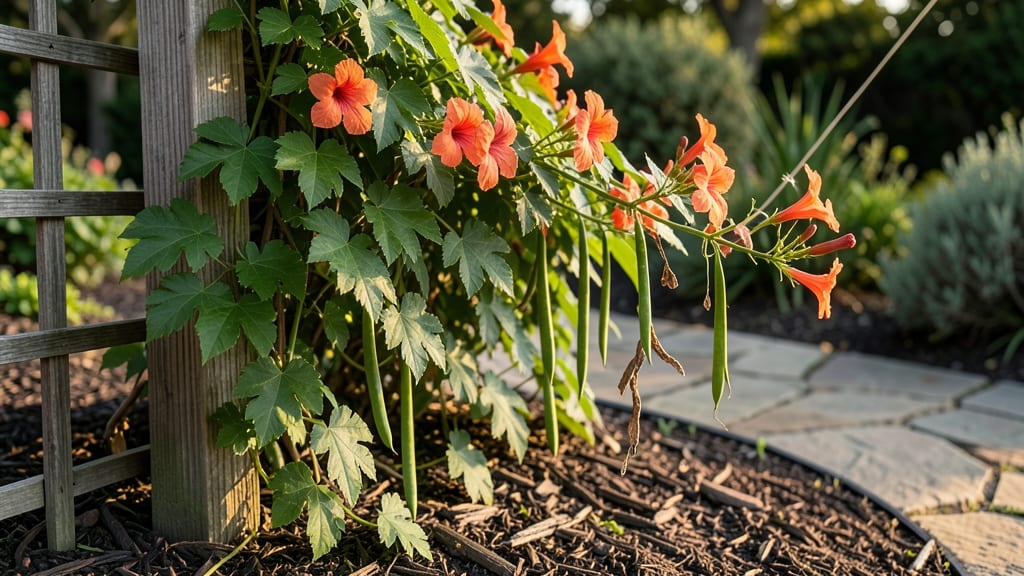
Harvesting trumpet vine seed pods at the right moment means free plants for years to come. 🌿 The moment those pods turn from green to brown and split open, you’ve got a goldmine of seeds—if you act fast.
One mistake I made was waiting too long, and the seeds scattered everywhere, but once you learn the timing, it’s foolproof.
You’ll need just a few simple supplies: pruning shears for harvesting, paper bags for drying, and a warm, dry spot for storage. The key is patience—seeds need 6-8 weeks to fully mature, and rushing the process ruins germination. I’ve tried storing them too soon, and the results were disappointing.
Once dry, these seeds can last 2-3 years if kept cool and dark, giving you a steady supply for future gardens. The germination trick? A quick cold snap—stratification mimics winter conditions, tricking seeds into thinking it’s time to grow.
Just plant them in well-draining soil and keep them moist until sprouts appear.
Perfect for anyone looking to expand their trumpet vine collection without buying new plants. Whether you’re dealing with Campsis radicans or Campsis grandiflora, the same rules apply. Let’s get those seeds growing!
📚 In This Guide
- What you need
- Instructions
- Tips and common mistakes
- Wrapping up and next steps
What you need
- ● Mature trumpet vine seed pods: 5–10 fully dried, brown pods (harvest when they split open naturally or are slightly cracked).
- ● Pruning shears or sharp scissors: 1 pair (for cleanly cutting pods from vines).
- ● Paper bags or breathable mesh bags: 2–3 bags (to collect seeds and allow airflow).
- ● Brown paper or newspaper: 1–2 sheets (for drying seeds indoors).
- ● Small bowls or containers: 2–3 (for sorting seeds).
- ○ Fine-mesh strainer or sifter: 1 (optional, for removing chaff).
- ● Air-tight storage containers: 1–2 (glass jars with lids or resealable plastic bags).
- ○ Desiccant packets: 1–2 (optional, to absorb moisture in storage).
- ● Permanent marker: 1 (to label containers with harvest date).
- ○ Gloves (optional): 1 pair (if handling prickly pods or for hygiene).
- ● Timing: Harvest pods in late fall or early winter after they’ve dried on the vine (or force-dry indoors if needed).
- ● Location: A well-ventilated area (outdoors or indoors with indirect sunlight).
- ● Temperature: 60–75°F (15–24°C) for drying seeds (avoid humidity!).
- ● Patience: Seeds may take 1–2 weeks to fully dry—don’t rush the process!
Step-by-step guide to harvesting trumpet vine seed pods
Here's how to collect, dry, and store trumpet vine seeds for next season's garden.
🌿 Step 1: Identify and Harvest Mature Seed Pods
Wait until the trumpet vine seed pods turn a deep brown color and begin to split open naturally—this usually happens in late fall after the first frost. The pods should feel dry and papery to the touch, not firm or green. I like to harvest on a dry, sunny morning when the pods are fully open but haven't scattered seeds yet.
Use clean, sharp pruning shears to snip the pods directly from the vine, leaving a small stem attached. Place them in a paper bag (not plastic) to allow airflow. If you miss the window and pods split before you harvest, lay a tarp beneath the plant to collect fallen seeds—just be prepared for some seed loss to squirrels and birds.
💧 Step 2: Dry the Seed Pods Thoroughly
Spread the harvested pods in a single layer on a clean, dry surface like a mesh screen or paper towels. Keep them in a warm, dry location with good air circulation—an indoor windowsill works well. You'll know they're properly dried when the pods become completely brittle and the seeds rattle inside when shaken.
This drying process typically takes 7-10 days, depending on your climate. Don't rush it by using heat—high temperatures can damage the seed viability. If you notice any mold or soft spots developing, remove those pods immediately and discard them to prevent spoilage of the rest.
✂️ Step 3: Extract and Clean the Seeds
Once the pods are completely dry, gently crush them between your fingers or use a small hammer to release the seeds. I find a clean kitchen towel works best for this—just place the pods on the towel and tap them lightly. The seeds will fall out while the pod debris stays behind.
Remove any remaining pod fragments or debris by winnowing—simply pour the seeds from one container to another while holding it above a table. The wind will carry away the chaff, leaving clean seeds behind. You should end up with about 40-60 seeds per vine, depending on plant size and health.
🪴 Step 4: Store Seeds for Long-Term Viability
Place the clean seeds in a small, airtight container like a glass jar or resealable plastic bag. I like to add a packet of silica gel to absorb any moisture that might develop. Label the container with the variety name and harvest date—trumpet vine seeds remain viable for 2-3 years when stored properly.
Store the container in a cool, dark location like a refrigerator or basement. The ideal storage temperature is 35-40°F. Check the seeds periodically to ensure they remain dry—condensation inside the container is a sign they need to be moved to a drier location or transferred to fresh silica gel.
⏰ Step 5: Prepare for Next Season's Planting
When you're ready to plant, soak the trumpet vine seeds in warm water for 12-24 hours to soften the hard seed coat and improve germination rates. This is especially important for trumpet vine seeds, which can be slow to sprout without this treatment. After soaking, plant the seeds ½ inch deep in well-draining soil and keep them consistently moist until germination, which typically occurs in 2-4 weeks.
Here's the thing—trumpet vine grows aggressively, so consider planting in containers if you want to control its spread. The first true leaves will appear as small, rounded shapes, followed by the characteristic trumpet-shaped blooms the following year. Be patient—this vine takes a bit of time to mature but rewards you with stunning, long-lasting flowers.
Tips & tricks for perfect trumpet vine seed collection
Here's what nobody tells you about maximizing your trumpet vine seed yield without losing viability.
Timing is Everything: Harvest pods on a dry morning after frost when they're fully brown but haven't yet split open. I've learned this the hard way—waiting too long means seeds scatter to squirrels, while harvesting too early gives you immature seeds that won't germinate. The 7-10 day drying window in Step 2 starts from this point, so don't rush this critical first step.
Drying Strategy: For faster drying in humid climates, place pods on a mesh screen over a shallow tray of silica gel packets (the kind that come with electronics). This creates a drying chamber that mimics the ideal conditions without heat. Just monitor daily—pods should be completely brittle before handling, not just slightly dry.
Seed Extraction Hack: After pods are dry, place them in a clean pillowcase and gently shake or roll them on a hard surface. The seeds will fall out while the pod debris stays trapped in the fabric. This method is gentler than hammering and prevents seed damage. You'll still want to winnow afterward for perfect cleanliness.
Storage Wisdom: The 35-40°F storage temperature in Step 4 is non-negotiable—any warmer and seeds lose viability faster. I keep my seed containers in the back of my fridge where it's consistently cool. Pro tip: Place a small humidity indicator card inside your storage container alongside the seeds to catch moisture before it becomes visible condensation.
Pro Tips for Trumpet Vine Seed Pods
- Here's what nobody tells you about maximizing your trumpet vine seed yield without losing viability.
- Timing is Everything: Harvest pods on a dry morning after frost when they're fully brown but haven't yet split open. ...
- Drying Strategy: For faster drying in humid climates, place pods on a mesh screen over a shallow tray of silica gel p...
Frequently asked questions
Got questions about harvesting and storing trumpet vine seed pods? Here are some common ones—plus quick answers to help you succeed!
When are trumpet vine seed pods ready to harvest?
The best time to harvest trumpet vine seed pods is in late fall or winter (after the first frost), when they turn brown and dry out. Avoid harvesting too early—the seeds won’t be fully mature, and too late means they may split open and scatter. Aim for pods that are crispy to the touch but haven’t burst open.
How long do trumpet vine seeds stay viable in storage?
Trumpet vine seeds can stay viable for 1–3 years if stored properly in a cool, dry place (like a sealed container in the fridge or freezer). For best results, label and date your seeds and test germination after 1–2 years. Older seeds may still sprout but could take longer or germinate less reliably.
Can I grow trumpet vine from store-bought pods?
Yes! You can buy trumpet vine seed pods online or from specialty nurseries, but check for freshness—older pods may have lower germination rates. If you’re buying, look for pods labeled as “harvest-ready” or “dried”. For best results, soak seeds overnight before planting to speed up germination.
What should I do if my trumpet vine pods won’t open naturally?
If pods stay closed, try these tricks:
- Freeze them for 24 hours to simulate winter conditions.
- Soak in warm water for a few days to soften the pod.
- Gently tap or crush the pod with a hammer (wear gloves!) to release seeds.
Are trumpet vine seed pods invasive? Should I be cautious?
Trumpet vine (Campsis radicans) is highly invasive in many regions, especially in warm climates. If you’re harvesting seeds, plant them in containers or controlled areas to prevent spreading. Check your local invasive species database before planting—some states even ban it!
Wrapping up and next steps
Harvesting and storing trumpet vine seed pods is a rewarding way to propagate these vibrant climbers for years to come! By following the right timing, techniques, and storage methods, you’ll ensure strong, healthy growth in your garden.
Whether you’re a seasoned gardener or just starting out, every seed you save is a future bloom waiting to happen.
Ready to take the next step? Mark your calendar for next year’s harvest season and gather your supplies—your garden (and future pollinators!) will thank you. 🌱✨