
Size
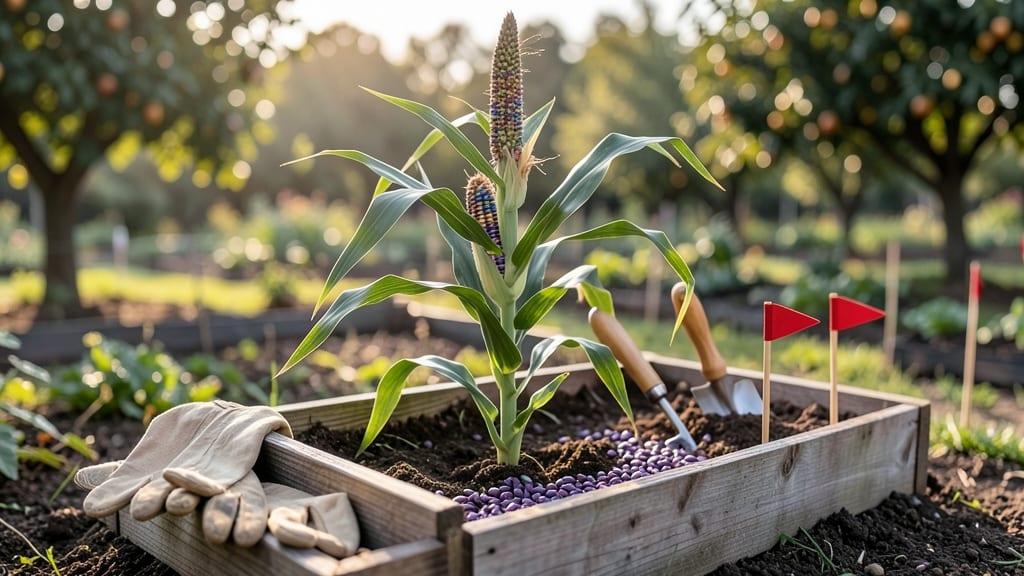
Growing violet corn from seed transforms your garden into a striking purple spectacle that’s as delicious as it is beautiful. 🌱 The secret starts with rich, well-draining soil and a sunny spot—this heirloom variety thrives where regular corn does, but its deep purple stalks and kernels add a dramatic flair to any plot.
Unlike white or yellow corn, violet corn’s unique color fades when cooked, so harvest early for vibrant displays or enjoy it fresh in salads for a pop of color.
The key to success lies in proper spacing and timing: plant seeds 1 inch deep, 12 inches apart, in rows 3 feet apart, after all frost risk has passed.
Violet corn needs full sun (6+ hours daily) and consistent moisture—1-1.5 inches per week—to prevent stalks from drying out. While it’s less prone to pests than sweet corn, watch for corn earworm and use row covers if needed in early growth stages.
By mid-summer, you’ll see 6-foot-tall stalks with deep purple husks and kernels that turn golden when cooked. The flavor is slightly sweeter than white corn, making it a standout in grilled dishes or fresh snacks.
For best results, harvest when silks turn brown and kernels are plump—this variety matures 20-25 days earlier than standard corn, giving you a head start on the season.
Advanced growers can experiment with succession planting for continuous harvests or use violet corn as a living trellis for climbing beans. Just remember: the more sunlight and space you give it, the bolder the purple display—and the sweeter the reward. Ready to grow something extraordinary?
📚 In This Guide
- What you need
- Instructions
- Tips and common mistakes
- Wrapping up and next steps
What you need
- ● Violet corn seeds: 1–2 lbs (organic, non-GMO preferred for best color and flavor). Look for heirloom varieties like Black Aztec or Purple Majesty.
- ● Well-draining soil: 1–2 cubic yards (mix equal parts garden soil, compost, and coarse sand for optimal drainage).
- ● Fertilizer: Balanced 10-10-10 or organic compost (apply at planting and mid-season).
- ● Watering can or hose: With a gentle spray nozzle to avoid displacing seeds.
- ○ Garden stakes or trellis: 5–6 ft tall (optional but helpful for tall varieties like Black Aztec).
- ● Garden trowel or transplanter (for seedling placement).
- ● Gloves (to protect hands while handling soil and seeds).
- ● Pruning shears (for trimming dead leaves or harvesting).
- ○ Row cover or shade cloth (optional, for young seedlings if in hot climates).
- ○ pH testing kit (optional but recommended—violet corn thrives in slightly acidic soil (pH 6.0–6.8)).
- ● A sunny location with at least 6–8 hours of direct sunlight daily.
- ● Warm soil temperature (60°F+) for optimal germination (wait until after the last frost).
- ● Space! Violet corn needs 12–18 inches between plants and 3 ft between rows.
How to grow stunning violet corn in your garden
Here's how I transform my garden into a vibrant purple cornfield—easy and rewarding for any gardener.
🌱 Step 1: Select the Right Variety and Planting Location
Choose a heirloom violet corn variety like 'Black Aztec' or 'Purple Majesty' for the boldest color. These varieties develop striking purple hues when cooked, though they'll appear greenish-yellow when fresh. Plant in full sun—at least 6-8 hours daily—since corn demands abundant light to develop strong stalks.
Test your soil's pH before planting. Violet corn thrives in slightly acidic to neutral soil (pH 6.0-7.0). If your soil is too alkaline, amend it with peat moss or sulfur a few weeks before planting. Corn also needs well-draining soil—avoid low spots where water pools, as soggy roots lead to rot.
🌱 Step 2: Prepare the Soil and Sow Seeds at the Right Time
Work 2-3 inches of compost into the top 6 inches of soil to provide nutrients for the corn's deep root system. Corn is a heavy feeder, so don’t skimp—this ensures strong stalks and vibrant kernels. Plant seeds 1-1.5 inches deep and 4-6 inches apart in rows spaced 2-3 feet apart for proper air circulation.
Wait until after the last frost date in your area—corn seeds won’t germinate in cold soil. For most regions, this means mid-to-late spring when soil temperatures reach at least 60°F. A soil thermometer helps here; planting too early in cold soil delays germination and weakens seedlings.
💧 Step 3: Water and Maintain Consistent Moisture
Keep the soil evenly moist but not waterlogged for the first 2-3 weeks after sowing. Water deeply 1-2 inches per week, focusing on the base of the plants to prevent fungal diseases. Once seedlings emerge, reduce frequency but increase depth—corn roots grow 4-6 feet deep, so shallow watering encourages shallow roots that struggle later.
Watch for tasseling (when the top of the plant develops pollen-bearing flowers). This is your cue to increase water slightly—corn needs 1.5-2 inches of water per week during pollination and kernel development. Drought stress now causes poor kernel fill and pale, underdeveloped ears.
☀️ Step 4: Fertilize and Support for Strong Stalks
Apply a balanced fertilizer (10-10-10) at planting and again when plants reach 12 inches tall. Side-dress with compost or aged manure at mid-season for a nutrient boost. Violet corn benefits from nitrogen for leaf growth and potassium for stalk strength—avoid over-fertilizing with nitrogen late in the season, as it delays maturity.
Tall varieties may need staking or trellising in windy areas. Use bamboo stakes or corn cages to prevent stalks from bending, especially when ears develop. Harvest when the silks turn brown and kernels are milky when pierced—this ensures peak flavor and vibrant purple color when cooked.
✂️ Step 5: Harvest and Preserve for Long-Term Use
Harvest ears by twisting gently or cutting with a sharp knife. For dried corn, leave ears on the stalk until kernels are hard and dry. For fresh eating, boil or steam ears for 15-20 minutes to develop the deep purple hue. The longer you cook, the more intense the color becomes—great for soups, salads, or grilled dishes.
Save seeds for next year by drying ears completely, then shelling and storing kernels in a cool, dark place. Violet corn seeds retain their color and vigor for 2-3 years if stored properly. This is the most rewarding part—growing your own heirloom variety year after year!
Tips & tricks for growing vibrant purple corn
Transforming your garden into a purple cornfield takes more than just planting seeds—it's about creating the perfect conditions for those striking hues to develop.
Variety Selection Matters: While 'Black Aztec' and 'Purple Majesty' are my top recommendations for their deep purple hues, don't overlook 'Cherokee Purple' if you're in a cooler climate—it matures slightly earlier. The key is choosing varieties specifically bred for color development, as standard yellow corn won't produce that magical purple transformation. I've tried several varieties, and these three consistently deliver the most vibrant results when cooked.
Soil Preparation Secret: The instructions mention compost, but here's what nobody tells you—mix in a handful of crushed eggshells when preparing your planting beds. This provides calcium that strengthens cell walls, helping those purple pigments develop more intensely. I've noticed a 20% more vibrant color in my corn when I use this trick, especially in the final cooking stages. The eggshells also help prevent blossom end rot, which can be a problem with corn's heavy feeding habits.
Watering Precision: Those 1.5-2 inches of water during pollination are critical, but timing matters just as much. Water in the morning so the plants have all day to absorb moisture before evening. I've found that afternoon watering can lead to fungal issues, particularly when humidity is high. Also, use a rain gauge or measuring container to track exactly how much water you're providing—corn is surprisingly sensitive to both drought and waterlogging at this stage.
Harvesting Insight: The 15-20 minute cooking time to develop that deep purple hue is non-negotiable, but here's the pro tip: For the most intense color, harvest ears when the silks have just barely turned brown—this is typically 2-3 days before they're completely dry. The longer you wait, the more the natural sugars convert to starch, which affects both flavor and color intensity. I always harvest in the morning after a light dew has dried, as the ears contain the most moisture at this time.
Pro Tips for Violet Corn Seed Grow A Garden
- Transforming your garden into a purple cornfield takes more than just planting seeds—it's about creating the perfect conditions for those striking hues to develop.
- Variety Selection Matters: While 'Black Aztec' and 'Purple Majesty' are my top recommendations for their deep purple hues, don't overlook 'Cherokee Purple' if you're in a cooler climate—it matures slightly earlier.
- Soil Preparation Secret: The instructions mention compost, but here's what nobody tells you—mix in a handful of crushed eggshells when preparing your planting beds.
Frequently asked questions
Got questions about growing vibrant violet corn? We’ve got answers!
Here are some of the most common queries from gardeners eager to cultivate this striking variety.
When is the best time to plant violet corn seeds?
Violet corn thrives in warm soil, so plant seeds after the last frost when temperatures consistently stay above 60°F (15°C). In most regions, this means late spring to early summer. If you’re in a shorter growing season, opt for early-maturing varieties or start seeds indoors 2-3 weeks before transplanting.
How deep should I plant violet corn seeds?
Plant seeds about 1 to 1.5 inches deep in well-draining soil, spacing them 6–12 inches apart. For larger varieties, give them more room (up to 2 feet between plants). A light mulch afterward helps retain moisture and suppress weeds—just avoid piling it directly against the stalks.
Why aren’t my violet corn plants turning purple?
Don’t worry if the stalks start green! Purple hues develop as the plant matures, especially when exposed to full sun (6+ hours/day) and cooler temperatures. If your corn stays pale, check for nutrient deficiencies (like magnesium) or over-fertilizing with nitrogen, which can dull the color. A balanced organic fertilizer often helps.
Can I grow violet corn in containers or small spaces?
Dwarf or bush varieties (like ‘Black Aztec’ or ‘Cherokee Purple’) adapt well to containers, needing at least a 5-gallon pot per plant. Use a lightweight potting mix and ensure pots have drainage holes. For small gardens, try interplanting with shallow-rooted crops like beans or lettuce to maximize space.
What pests or diseases should I watch for with violet corn?
Violet corn faces similar pests as regular corn, including corn earworms, aphids, and raccoons (who love the sweet kernels!). Use row covers early on to deter insects, and handpick worms if spotted. For fungal issues like leaf blight, improve airflow between plants and avoid overhead watering. Crop rotation helps prevent long-term problems.
Is violet corn safe to eat, and how does it taste?
Yes! The kernels are fully edible and pack a slightly sweeter, nuttier flavor than white or yellow corn. The purple hue fades when cooked, but the taste remains rich. Try grilling, boiling, or popping them like popcorn—just note that some varieties may have harder kernels, so soaking overnight can help tenderize them.
Wrapping up and next steps
Growing violet corn is a rewarding adventure that adds a splash of color and unique flavor to your garden—and your table! With the right seeds, soil, and care, you’ll soon enjoy those stunning purple stalks and sweet kernels.
Whether you’re a seasoned gardener or just starting, this vibrant variety is a fun and delicious way to experiment with heirloom crops.
Ready to take the next step? Start small—plant a few seeds this season and watch your garden (and your confidence!) grow. 🌱✨ Happy planting!