
Flowers
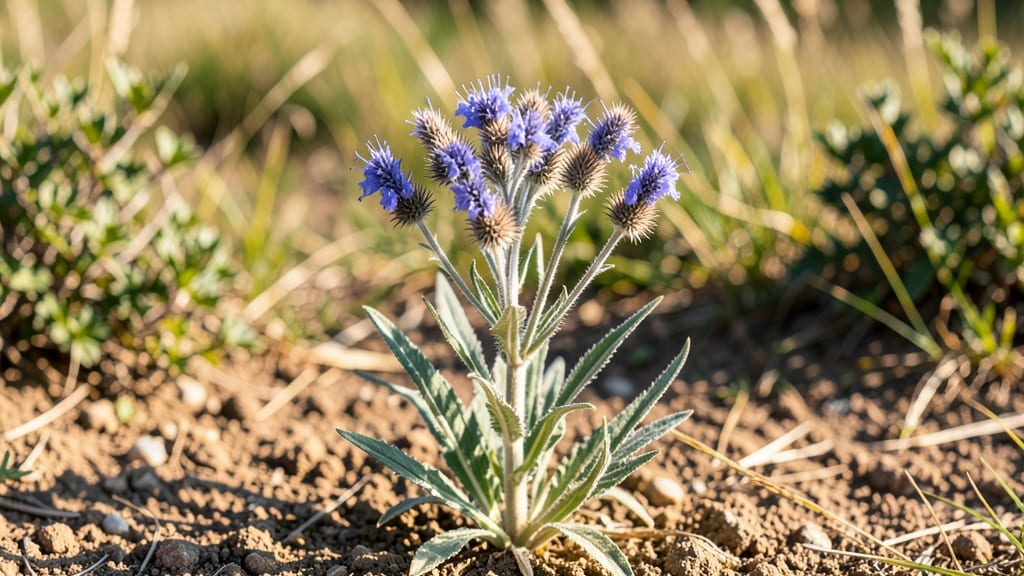
Virginia stickseed flower (Lactuca virgata) spreads like wildfire—literally. 🌱 I’ve watched this drought-tolerant beauty turn bare patches into lush, self-seeding carpets with almost no effort, and the secret lies in its propagation tricks that most gardeners miss.
The key is letting nature do the work: plant seeds in full sun with well-draining soil, water lightly, then forget about it. This wildflower thrives in zones 3-9, handles heat and drought like a champ, and even reseeds aggressively—meaning once established, you’ll have flowers for years without replanting.
By late summer, you’ll see those signature daisy-like blooms with feathery seed heads that scatter effortlessly, creating new plants where they land. The best part? It pairs beautifully with native grasses and other pollinator favorites, adding texture and movement to any garden corner.
Perfect for low-maintenance gardeners, pollinator enthusiasts, or anyone tired of fighting weeds—this plant outcompetes them naturally. Here’s how to get started without the guesswork.
📚 In This Guide
- What you need
- Instructions
- Tips and common mistakes
- Wrapping up and next steps
What you need
- ● Virginia stickseed seeds: 10–50 seeds (collect from wild plants or purchase from reputable seed suppliers).
- ● Growing containers: 4–6-inch pots or seed trays with drainage holes (biodegradable pots work great for transplanting!).
- ● Potting mix: Well-draining, sterile seed-starting mix (avoid garden soil—it can harbor pests or diseases).
- ● Grow lights or sunny windowsill: A south-facing window or a full-spectrum LED grow light (12–16 hours/day for seedlings).
- ● Misting bottle or spray nozzle: For gentle watering (overhead watering keeps humidity high for germination).
- ○ Clear plastic wrap or humidity dome: Optional but helpful for retaining moisture during germination.
- ○ Gloves (optional): Protects hands from prickly seed coatings (Virginia stickseed seeds have tiny barbs!).
- ● Small hand trowel: For transplanting seedlings into larger pots or garden beds.
- ● Pruners or scissors: For trimming dead foliage or harvesting seeds later.
- ○ pH testing kit (optional): Ensures soil pH is between 6.0–7.0 (ideal for stickseed).
- ● Outdoor space or garden bed: Partial shade to full sun (once established, it thrives in dappled light).
- ● Patience & consistency: Stickseed grows slowly—expect germination in 2–4 weeks and flowering in 6–12 months!
- ○ 🌡️ Stratify seeds (optional but recommended): Mix seeds with damp sand and refrigerate for 2–4 weeks to mimic winter conditions and boost germination rates.
- ● ✨ Label your pots: Stickseed seedlings look similar to other wildflowers—use plant markers to avoid confusion!
- ● 💧 Avoid overwatering: Keep soil moist but not soggy; stickseed dislikes waterlogged roots.
How to propagate Virginia stickseed for a self-sustaining meadow
This wildflower thrives on hands-off growing—here’s how to harness its natural resilience.
🌱 Step 1: Collect Seeds at Peak Maturity
Harvest Virginia stickseed when the seed heads turn brown and begin to dry, typically in late summer to early fall. The seeds cling to their stems like tiny barbs, so wear gloves to avoid skin irritation. Cut entire stems and hang them upside-down in a paper bag for 2-3 weeks—this allows the seeds to fully mature and detach naturally.
Check daily for seeds that have fallen into the bag. Once you see a steady rain of tiny, spiky seeds, shake the stems gently to release any remaining seeds. Store the collected seeds in a cool, dry place until ready to sow. Virginia stickseed seeds remain viable for up to two years, so timing isn’t critical, but fresher seeds germinate more reliably.
🌿 Step 2: Prepare the Planting Site
Virginia stickseed thrives in poor, dry soils and full sun, making it perfect for wildflower meadows or low-maintenance borders. Choose an area with at least 6 hours of direct sunlight daily and minimal competition from grasses or weeds. If your soil is heavy clay, mix in sand or grit to improve drainage—this flower despises soggy roots.
Lightly rake the soil to break up any compacted surface layer, but avoid deep tilling, which can bury seeds too deeply. The ideal planting depth is ¼ inch—scatter seeds evenly and press them gently into the soil with your hand or a light rake. You’ll need about 10-15 seeds per square foot for a dense meadow effect.
☀️ Step 3: Water and Wait for Germination
Water the area lightly immediately after sowing to settle the seeds into the soil, but avoid overwatering. Virginia stickseed seeds require moisture but not saturation—think of a damp sponge, not a dripping one. After the initial watering, let nature take over. These seeds germinate best in fall or early spring when temperatures hover between 50-70°F.
Germination can take 2-4 weeks in ideal conditions, but don’t be surprised if it takes longer—patience is key. Once seedlings appear, they’ll grow slowly at first, developing small, rounded leaves. Avoid fertilizing; Virginia stickseed performs best in nutrient-poor soils, where it competes well against weeds.
✂️ Step 4: Maintain with Minimal Intervention
This wildflower’s self-sustaining nature means you’ll rarely need to intervene. Once established, Virginia stickseed spreads via its barbed seeds, which cling to animals, clothing, and even wind currents. By the second year, you’ll likely see volunteers popping up in unexpected (but welcome) spots around your garden.
Deadhead spent blooms in early fall to encourage a second flush of flowers, but otherwise, let the plant do its thing. If weeds become an issue, spot-treat with a hoe or hand-pull before they compete with seedlings. Mowing the area to 3-4 inches in late summer helps control grass while preserving the stickseed’s resilience.
🪴 Step 5: Expand and Share the Cycle
By year three, your Virginia stickseed patch will be fully self-sustaining. To expand it, simply collect seeds from mature plants in late summer and scatter them in new areas. The more you let it spread naturally, the more it will thrive—this flower rewards low-effort gardening with vibrant blooms and easy propagation.
Share seeds with neighbors or local conservation groups to spread the beauty of this hardy wildflower. Its ability to naturalize makes it a favorite for pollinators, including bees and butterflies, which will flock to your garden once the delicate pink and white blooms appear in late spring.
Tips & tricks for perfect Virginia stickseed propagation
These insider tricks will help you maximize your Virginia stickseed's natural spreading ability while avoiding common pitfalls.
Timing Secret: The 2-3 week drying period in Step 1 is crucial for seed viability. I learned this the hard way—rushing the process by only hanging stems for 1 week resulted in seeds that struggled to germinate. Place your paper bags in a dry, shaded spot where temperatures stay between 60-70°F for optimal maturation. The seeds will naturally detach when fully ready, signaling they're ready for planting.
Site Selection Strategy: For the 6 hours of direct sunlight requirement in Step 2, prioritize locations with afternoon sun exposure. Morning sun alone can lead to leggy seedlings that struggle to establish. I've found that south-facing slopes or areas near fences work beautifully. If your site has afternoon shade, consider adding a few inches of sand to improve drainage—this helps compensate for reduced sunlight.
Germination Insight: When waiting for germination in Step 3, resist the urge to check daily—this disturbs the soil and can prevent seeds from making contact with moisture. Instead, mark your calendar for the 2-4 week window and only check if you notice unusual weather patterns. The seeds need consistent moisture but not saturation, so a light misting every 3-4 days works better than daily watering.
Maintenance Hack: The 3-4 inch mowing height in Step 4 might seem counterintuitive, but it's perfect for preserving the plant's natural spreading mechanism. I've found that using a scythe instead of a lawnmower gives you more control over height and prevents accidental uprooting of seedlings. This also creates ideal conditions for the barbed seeds to catch on passing animals and spread naturally.
Pro Tips for Virginia Stickseed Flower
- These insider tricks will help you maximize your Virginia stickseed's natural spreading ability while avoiding common pitfalls.
- Timing Secret: The 2-3 week drying period in Step 1 is crucial for seed viability.
- Site Selection Strategy: For the 6 hours of direct sunlight requirement in Step 2, prioritize locations with afternoon sun exposure.
Frequently asked questions
Got questions about growing Virginia stickseed flower (Hackelia virginiana)? You’re not alone! Here are answers to the most common concerns gardeners have when propagating this charming wildflower.
When is the best time to plant Virginia stickseed seeds?
For optimal germination, sow seeds in early spring (March–April) or late summer (August–September). Avoid planting in hot, dry conditions—these seeds need consistent moisture to sprout. If starting indoors, begin 6–8 weeks before the last frost for a head start.
How long does it take for Virginia stickseed to grow from seed?
Expect 10–14 days for germination under ideal conditions (cool temps, moist soil). Seedlings grow slowly at first but establish roots quickly. Full maturity—with those iconic spiky seed heads—takes 60–90 days from sowing. Patience pays off with self-seeding!
Can Virginia stickseed grow in containers or only in the ground?
Yes! This wildflower thrives in containers (5"+ depth) if given well-draining soil and regular water. Use pots for pollinator-friendly balconies or to control self-seeding. Just ensure containers stay moist but not soggy—stickseed hates waterlogged roots.
Why aren’t my Virginia stickseed flowers blooming?
Common culprits:
- Too much shade—plant in partial sun (4–6 hours/day) for best blooms.
- Overcrowding—thin seedlings to 12–18" apart for airflow.
- Poor soil—amend with compost for nutrients.
How do I prevent Virginia stickseed from spreading everywhere?
This self-seeder is easy to manage!
- Pull unwanted seedlings before they root deeply.
- Deadhead seed heads after blooming to reduce spread.
- Grow in containers or isolated garden beds if containment is key.
Wrapping up and next steps
The Virginia stickseed flower isn’t just a stunning wildflower—it’s a resilient, low-maintenance addition that can transform your garden into a thriving, self-sustaining ecosystem. 🌱 With its easy propagation methods and adaptable nature, you’re now equipped to cultivate this beauty effortlessly, whether you’re a seasoned gardener or just starting out.
Ready to take the next step? Start small—try propagating a few seeds or cuttings this season and watch your garden flourish. Share your progress with fellow plant enthusiasts, and don’t forget to tag #VirginiaStickseed for inspiration! Your green thumb is about to shine brighter than ever.