
Propagation
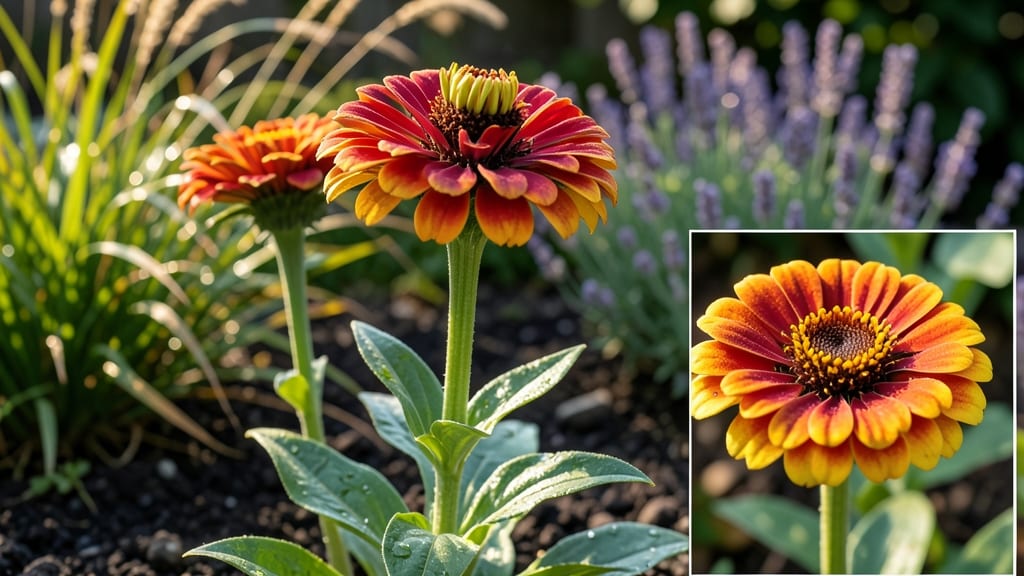
Growing zinnias from seed to flower is like watching a time-lapse of summer in just 90 days—bright blooms popping up where you planted tiny seeds. 🌻 I've grown thousands of zinnias, and the secret isn't complicated: it's about timing, sunlight, and a little patience.
These cheerful flowers reward beginners with bold colors and long-lasting blooms, but only if you follow a few key steps from seed to full flower.
The magic starts with seeds sown either indoors 6-8 weeks before last frost or directly in warm soil when nighttime temps stay above 50°F. Zinnias crave full sun (at least 6-8 hours daily) and well-draining soil—no soggy roots here.
Water consistently at the base (not overhead) to keep stems sturdy, and pinch back leggy seedlings to encourage bushier growth. Most varieties bloom in just 8-10 weeks after sprouting, but some heat-loving types take longer.
By mid-summer, you'll be snipping fresh-cut bouquets straight from your garden, and the blooms keep coming if you deadhead spent flowers regularly. The real payoff? Zinnias attract pollinators all season long, and their seeds often self-sow for next year's garden.
For extended blooms, try succession planting every 2 weeks—your late-summer garden will thank you.
Pro tip: Save seeds from your best-performing zinnias for next year, and mix in some tall varieties (like 'Benary's Giant') behind shorter ones to prevent flopping. The key to success?
Start early, give them space, and let the sun do the rest. Your garden will be bursting with color before you know it.
📚 In This Guide
- What you need
- Instructions
- Tips and common mistakes
- Wrapping up and next steps
What you need
- ● Zinnia seeds: Choose heirloom or hybrid varieties (e.g., Benary’s Giant, Profusion, or Crystal). Buy 1–2 packets (50–100 seeds per packet) for a full garden bed.
- ● Seed-starting mix: A lightweight, sterile potting mix (e.g., Black Gold Seedling Mix or Miracle-Gro Seed Starting Potting Soil). Use 1–2 cubic feet for indoor starts.
- ● Containers: For indoor starts: 4–6 inch deep trays or biodegradable seed pots (e.g., Jiffy-7 or eco-friendly peat pots).
- ● For direct sowing: Well-draining garden soil or raised beds (zinnias thrive in full sun with 6+ hours of light daily).
- ● Watering can or spray bottle: A gentle misting nozzle to avoid disturbing seeds.
- ● Grow lights or sunny windowsill: If starting indoors, provide 12–16 hours of light daily (e.g., LED grow lights or a south-facing window).
- ● Fertilizer: For seedlings: A balanced liquid fertilizer (e.g., 10-10-10 or fish emulsion) diluted to half-strength.
- ● For mature plants: A low-nitrogen, high-phosphorus fertilizer (e.g., 5-10-10) to encourage blooms.
- ● Seedling heat mat: Keeps soil 70–75°F for faster germination (especially useful in cooler climates).
- ● Plant labels: Waterproof markers or wooden stakes to track varieties.
- ● Pruning shears: For deadheading spent blooms and shaping plants.
- ● Row covers or shade cloth: Protects young seedlings from pests or intense midday sun in hot climates.
- ● Compost or mulch: Improves soil drainage and retains moisture (e.g., straw or wood chips).
Step-by-Step instructions for growing zinnias from seed to flower
Here's how I turn tiny zinnia seeds into vibrant blooms—fast, reliable, and with minimal fuss.
🌱 Step 1: Start Seeds Indoors for Early Blooms
Plant seeds 6-8 weeks before your last frost date in 2-3 inch deep biodegradable pots filled with seed-starting mix. Press each seed ¼ inch deep—they need light to germinate, so don't bury them too deeply. I like to label pots with the variety and date because zinnias grow fast, and you'll want to track progress.
Cover the pots with plastic wrap to retain moisture and warmth, then place them on a seedling heat mat set to 70-75°F. Germination usually takes 7-14 days, but don't be surprised if some seeds sprout faster than others—zinnias are eager to grow. Keep the soil consistently moist but never soggy; a spray bottle works best to avoid disturbing the seeds.
☀️ Step 2: Provide Bright Light and Prevent Leggy Growth
The moment seedlings emerge, move them under a grow light or to a south-facing window where they'll get 12-16 hours of light daily. Zinnias stretch toward light like teenagers reaching for the fridge—if you see them growing tall and pale with leaves spaced far apart, your light isn't strong enough. Adjust the light so it's 2-3 inches above the seedlings and raise it as they grow.
Rotate the pots a quarter turn daily so plants grow straight instead of leaning. You'll notice strong seedlings have thick stems and dark green leaves. Once they develop 2-3 sets of true leaves (the second set after the initial seed leaves), they're ready to harden off.
🪴 Step 3: Transplant Outdoors After Frost
Wait until nighttime temperatures stay above 50°F and soil is warm before moving seedlings outside. Harden them off by placing them in a sheltered spot for 1-2 hours the first day, then gradually increase outdoor time over 7-10 days. Transplant after the last frost, spacing seedlings 8-12 inches apart in full sun—zinnias love baking in the sun and will reward you with bold blooms.
Dig holes slightly deeper than the pots to bury stems up to their first leaves. This encourages stronger root growth. Water deeply right after transplanting to help roots establish, then keep soil evenly moist but not waterlogged. Mulch around plants with 1-2 inches of organic mulch to retain moisture and suppress weeds.
✂️ Step 4: Deadhead and Fertilize for Nonstop Blooms
Once zinnias bloom, snip spent flowers with clean scissors right above the next set of leaves. This trick tells the plant to focus energy on producing more blooms instead of setting seed. I deadhead every 2-3 days during peak bloom season—it keeps flowers coming until frost and extends the season by weeks.
Feed plants with a balanced liquid fertilizer (10-10-10) every 2-3 weeks to support their heavy flowering. You'll see a burst of new buds within a week of fertilizing. If stems get floppy, they need more support—install 6-inch stakes or a small cage at planting time to avoid bending them later.
🌿 Step 5: Harvest and Save Seeds for Next Year
When flowers fade and seed heads turn papery brown, cut the stems and hang them upside down in a dry, shaded spot. The seeds will rattle inside the pods in 2-3 weeks. Collect them by gently squeezing the dried heads over a paper bag. Store seeds in a cool, dark place for up to 3 years—zinnias are easy to grow from saved seeds!
For a continuous display, stagger plantings every 2 weeks after the first transplant. You'll have blooms from early summer until a hard frost, with minimal effort. The key is consistency—water, deadhead, and fertilize regularly—and you'll have zinnias that keep giving all season long.
Tips & tricks for perfect zinnia growth from seed to flower
Here's what nobody tells you about growing zinnias that'll make your garden pop with color.
Light Matters: In Step 2, when you're providing those 12-16 hours of light daily, don't skimp on quality. If your seedlings start stretching toward the light with long, thin stems, they're telling you they need more intense light. Move them closer to the grow light or window—just 2-3 inches away is perfect. I've seen leggy zinnias turn into strong, sturdy plants just by adjusting their light position.
Timing Secret: The 6-8 weeks before last frost window in Step 1 is your best shot at early blooms, but don't stress if you're a little late. Zinnias are forgiving—just plant as soon as you can, and you'll still get flowers. I've had zinnias bloom just 60 days from seed even when planted closer to frost, though they'll be smaller. The key is consistent warmth and light after germination.
Transplanting Hack: When hardening off in Step 3, start with just 1-2 hours the first day and gradually increase. But here's the trick: place seedlings in a spot where they'll get morning sun and afternoon shade. This gradual exposure prevents shock while still giving them sunlight. I also water seedlings thoroughly before moving them outside—hydrated plants handle the transition better.
Deadheading Strategy: In Step 4, when you're snipping spent blooms every 2-3 days, use clean scissors and cut just above the next set of leaves. This small detail makes a huge difference—it prevents disease from entering through dirty cuts and encourages new blooms to form where you want them. I keep a small pair of scissors dedicated just to zinnias so they stay sharp and clean.
Pro Tips for Zinnia From Seed To Flower
- Here's what nobody tells you about growing zinnias that'll make your garden pop with color.
- Light Matters: In Step 2, when you're providing those 12-16 hours of light daily, don't skimp on quality.
- Timing Secret: The 6-8 weeks before last frost window in Step 1 is your best shot at early blooms, but don't stress if you're a little late.
Frequently asked questions
Got questions about growing zinnias from seed?
Here are some of the most common ones—and their answers—to help you cultivate vibrant blooms with confidence!
How long does it take for zinnia seeds to germinate?
Zinnia seeds typically germinate in 7 to 14 days after sowing, depending on soil warmth and moisture. Keep the soil consistently moist (but not soggy) and place the tray in a sunny spot or under grow lights. If germination takes longer than two weeks, check for rotting seeds (overwatering) or cold soil (below 60°F).
Can I grow zinnias indoors before transplanting outdoors?
Start seeds indoors 4 to 6 weeks before your last frost date for a head start. Use seed trays with well-draining soil and place them near a sunny window or under fluorescent lights (14+ hours of light daily). Once seedlings have 2-3 true leaves and nighttime temps stay above 50°F, harden them off for 7–10 days before transplanting.
What pests or diseases should I watch for in zinnias?
Zinnias are generally low-maintenance, but keep an eye out for:
- Aphids (tiny green/black bugs on stems/leaves) – Spray with soapy water or introduce ladybugs.
- Spider mites (yellowing leaves, webbing) – Increase humidity or use neem oil.
- Powdery mildew (white powder on leaves) – Improve airflow and avoid overhead watering.
- Japanese beetles (chewing on petals) – Handpick or use row covers.
Do zinnias need full sun? What if I only have partial shade?
Zinnias thrive in full sun (6+ hours daily), but they can tolerate partial shade (4–6 hours)—especially in hot climates. In shadier spots, expect smaller blooms and leggy stems. If growing in partial shade, choose dwarf varieties like ‘Thumbelina’ or supplement with a grow light. Avoid deep shade, as it weakens plants and invites fungal issues.
Can I save seeds from my zinnias to plant next year?
Yes! Let spent zinnias fully dry on the plant (brown and papery) before harvesting the seed heads. Rub them gently to release seeds, then store in a cool, dry place (like an envelope) for up to 2–3 years. Pro tip: Label varieties—zinnias can cross-pollinate, leading to unexpected colors!
Are zinnias frost-tolerant? When should I plant them?
Zinnias are not frost-tolerant—they’ll die if exposed to temps below 30°F. Start seeds indoors 4–6 weeks before your last frost or sow directly outdoors after soil warms to 50°F+ (usually 2–3 weeks after frost). For cooler climates, opt for early-blooming varieties like ‘Benary’s Giant’ or use row covers to extend the season.
Wrapping up and next steps
Growing zinnias from seed to flower is a rewarding journey that brings vibrant color to your garden in just 90 days! With the right soil, sunlight, and care, you’ll enjoy a dazzling display of blooms while learning the fascinating bloom-to-seed cycle.
Whether you’re a beginner or a seasoned gardener, these cheerful flowers are a perfect project to spark joy and creativity.
Ready to take the next step? Start small—plant a few seeds in a pot or a dedicated garden bed—and watch your garden transform! 🌸 For even more tips, explore our propagation guides or share your progress with fellow gardeners. Happy growing!