
Propagation
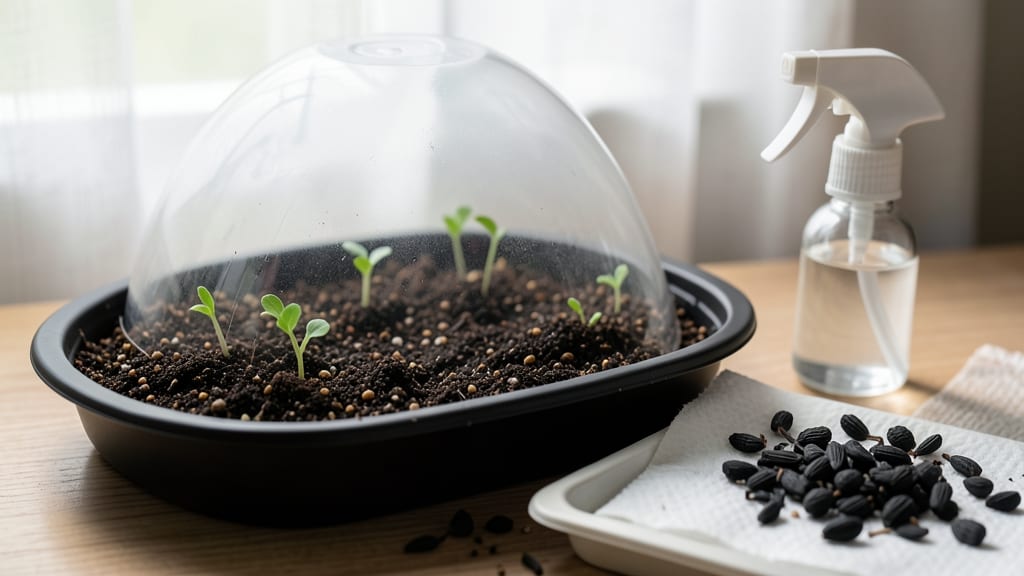
Zinnia seed germination happens fastest when you mimic their native desert warmth—no transplant shock, just bold blooms in weeks. 🌱 I’ve watched these bright cheers germinate in just 5-7 days when given the right cozy conditions, and I’m sharing the exact method that works every time. The secret? Warm soil (70-80°F), shallow planting (¼ inch deep), and consistent moisture without soggy soil. Most people overwater or plant too deep, which delays sprouts or invites rot. Zinnias are tough but picky—get this right, and you’ll see those first green hooks breaking through the soil in under a week. By week 3, you’ll have sturdy seedlings ready for transplanting, their leaves a deep, vibrant green. The key is patience during that first week—keep the soil warm and moist, but not wet, and avoid moving the tray once planted. This method works for both spring and summer plantings, whether you’re starting indoors or direct-sowing in the garden. Here’s how to set it up for foolproof results.
📚 In This Guide
- What you need
- Instructions
- Tips and common mistakes
- Wrapping up and next steps
What you need
- ● Zinnia seeds: 10–20 seeds (choose heat-tolerant varieties like ‘Benary’s Giant’ or ‘Profusion’ for best results).
- ● Seed-starting mix: 1–2 cups of sterile, well-draining potting soil (avoid garden soil—it’s too dense!).
- ● Containers: Seed trays with drainage holes (6–12 cells) or
- ● Small pots (2–3 inches deep) with drainage.
- ● Watering can or spray bottle: Gentle misting avoids seed displacement.
- ○ Heat mat (optional but highly recommended): A 70–75°F (21–24°C) mat speeds germination by 30–50%.
- ● Plastic wrap or humidity dome: Keeps moisture locked in until sprouts appear.
- ○ Fine-mesh screen or paper towels: For pre-soaking seeds (optional, speeds up germination).
- ● Grow lights or sunny windowsill: 12–16 hours of light daily (south-facing window or LED grow lights work best).
- ● Fertilizer (low-dose): ¼ tsp of balanced 10-10-10 per gallon of water (once seedlings have 2 true leaves).
- ● Plant labels: Mark varieties to avoid mix-ups!
Step-by-step instructions for zinnia seed germination
Here's how I get zinnia seeds sprouting fast and strong—no transplant shock in sight.
🌱 Step 1: Prep Seeds and Soil for Fast Germination
Zinnia seeds have a hard outer shell, so I soak them overnight in lukewarm water to soften it. This cuts germination time from 14-21 days to just 5-7 days. Use a small bowl or jar and let them soak for 12 hours—don't let them dry out during this time.
While they soak, fill your seed-starting trays with light, airy potting mix (never garden soil). Press it down gently so it's firm but not compacted. The goal is a surface that holds moisture without becoming waterlogged. I like to sprinkle a thin layer of perlite on top—this improves drainage and prevents damping-off disease.
💧 Step 2: Plant Seeds at the Right Depth and Moisture Level
Zinnia seeds are tiny, so I plant 2-3 seeds per cell at a depth of just ¼ inch. Press them lightly into the soil so they make good contact—this ensures consistent moisture uptake. Cover them with a thin layer of additional mix, then mist the surface gently with water until it's evenly damp but not soggy.
Here's the thing—zinnia seeds need warmth to germinate. Place the tray on a seedling heat mat set to 75-80°F (or on top of your refrigerator if you don't have one). Cover the tray with clear plastic wrap or a humidity dome to trap warmth and moisture. Check daily for condensation—if it's dripping, remove the cover for 30 minutes to air it out.
☀️ Step 3: Provide Warmth and Light for Sprouting
Keep the soil consistently warm and moist until you see green sprouts, which should happen in 5-7 days if conditions are right. I place the tray under a grow light on a 14-hour daily cycle—this prevents leggy growth that happens when seedlings stretch toward weak light.
Once sprouts appear, remove the plastic cover immediately. You'll notice tiny leaves called cotyledons emerging first—these aren't true leaves but the plant's first food source. Keep the soil moist but never soggy; I water from the bottom by placing the tray in ½ inch of water for 10 minutes every other day. This prevents disturbing delicate seedlings while ensuring even moisture.
🌿 Step 4: Thin Seedlings and Strengthen for Transplanting
When seedlings have 2-3 sets of true leaves (the second set is the real leaves, not the first tiny ones), it's time to thin. Use small scissors to snip the weakest seedlings at soil level, leaving the strongest one per cell. This prevents competition and gives your zinnias room to grow.
Start hardening off your seedlings 10 days before transplanting by placing them outside in partial shade for 1-2 hours the first day. Gradually increase their outdoor time over 7-10 days, moving them to sunnier spots each day. You'll know they're ready when they can handle 6+ hours of direct sun without wilting.
Tips & tricks for perfect zinnia seed germination
Common pitfalls—and how to sidestep every one when growing zinnias from seed.
Soaking Secret: The 12-hour soak in lukewarm water is non-negotiable—this softens the tough outer shell that would otherwise delay germination by weeks. Here's what I learned the hard way: if you use cold water, the seeds won't absorb moisture properly, and if you use hot water, you risk damaging the delicate embryos inside. Think of it like giving your seeds a warm bath to wake them up gently.
Temperature Matters: That 75-80°F range on your seedling heat mat isn't just a suggestion—it's the sweet spot for zinnia germination. If your home runs cooler, place the tray on top of your refrigerator (which stays around 75°F). Too cold? The seeds will sit dormant. Too hot? They'll dry out. I keep a small thermometer right on the tray to monitor—trust me, you'll notice the difference when sprouts appear consistently in 5-7 days instead of 14.
Lighting Strategy: The 14-hour grow light cycle is crucial for preventing leggy seedlings. If you don't have a timer, I set two alarms on my phone—one at 8 AM and another at 10 PM—to turn the light on and off. The key is maintaining this cycle from the moment you see sprouts. Without enough light, seedlings will stretch toward any available light source, becoming weak and spindly. Once they have those first true leaves, you can gradually increase their outdoor time during hardening off.
Thinning Technique: When it's time to thin to your strongest seedling per cell, I use small scissors instead of pulling by hand. This prevents disturbing the roots of your chosen plant. Here's a pro move: after thinning, give the remaining seedlings a light mist with water to help them recover from the stress. The goal is to leave them strong enough to handle the next hardening-off phase without shock.
Pro Tips for Zinnia Seed Germination
- Common pitfalls—and how to sidestep every one when growing zinnias from seed.
- Soaking Secret: The 12-hour soak in lukewarm water is non-negotiable—this softens the tough outer shell that would otherwise delay germination by weeks.
- Temperature Matters: That 75-80°F range on your seedling heat mat isn't just a suggestion—it's the sweet spot for zinnia germination.
Frequently asked questions
Got questions about getting your zinnia seeds to sprout like a pro? You’re not alone—germination can feel like a tiny mystery! Here are answers to the most common queries to help you grow confidently.
How long does it take for zinnia seeds to germinate?
With consistent warmth (70–75°F) and moisture, zinnia seeds typically sprout in 5–14 days. Some varieties, like Benary’s Giant, may take up to 2 weeks. Patience is key—don’t overwater or move them until you see those first green shoots!
Can I plant zinnia seeds too early in the spring?
Yes, but only if you use a heat mat or start indoors. Zinnia seeds need soil temps above 60°F to germinate. If planted too early in cold soil, they’ll sit dormant or rot. Wait until nighttime temps stay above 50°F, or start them 6–8 weeks before your last frost indoors.
Why aren’t my zinnia seeds sprouting?
Check these common culprits:
- Cold soil: Use a seedling heat mat if temps are below 60°F.
- Too much water: Keep soil moist but not soggy—overwatering suffocates seeds.
- Old seeds: Zinnia seeds lose viability after 2–3 years. Test a few in a damp paper towel first!
- Depth issues: Plant seeds ¼ inch deep max—they need light to germinate.
Do zinnia seeds need light to germinate?
Unlike some seeds, zinnia seeds do not need light to sprout, but they germinate faster with warmth and consistent moisture. Once they’ve sprouted (2–3 leaves), move them to a sunny spot (6+ hours of light daily) to prevent leggy seedlings.
Can I use coffee grounds or eggshells to boost germination?
While coffee grounds add nutrients, they’re not essential for germination. Focus on warmth, moisture, and depth first. Eggshells? Crush them into fine pieces to add calcium—but save them for after sprouting to avoid disrupting the seed’s environment.
Wrapping up and next steps
Growing zinnias from seed is a rewarding journey—especially when you harness the power of warmth and patience to skip transplant shock! With the right soil, moisture, and cozy environment, you’ll watch those tiny seeds burst into vibrant blooms in no time. 🌱✨
Now that you’re armed with the know-how, grab those seeds and get planting! Start small with a few pots, experiment with your setup, and soon you’ll be sharing your lush zinnias with neighbors (or even selling them at a local market). Happy growing!