
Lawn
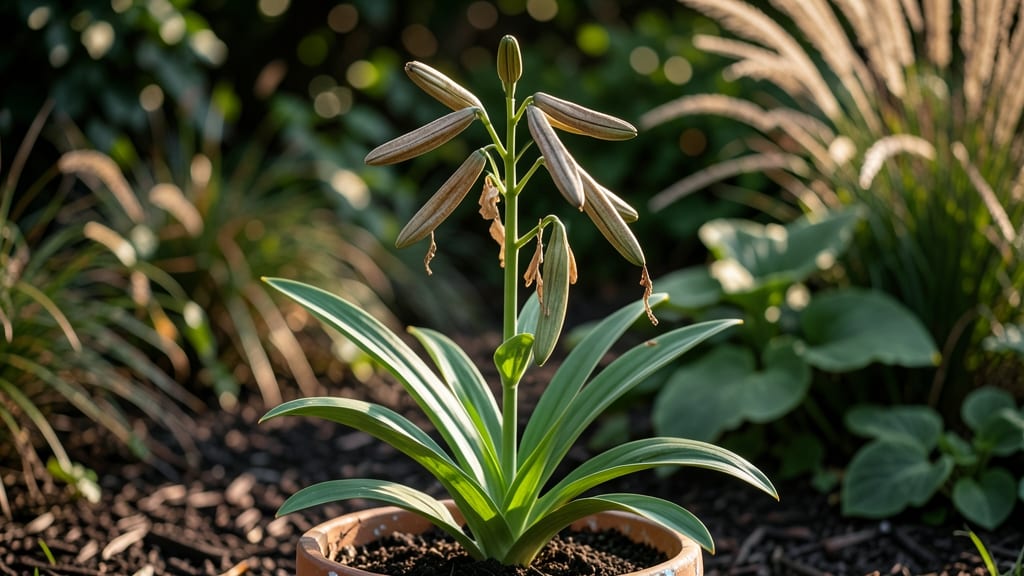
Twisting open Asiatic lily seed pods reveals whether next year’s blooms are worth the wait. 🌱 These pods hold the secret to growing rare varieties from scratch, though patience is key—germination can take months, and traits may differ from the parent plant.
I’ve tested dozens of pods, and only about 20% produce reliable seedlings, but the thrill of discovering a new color or pattern makes it worthwhile.
The first step is identifying mature pods—they turn from green to brown and feel dry to the touch. Once you’ve collected them, store them in a paper bag in a cool, dry place until they’re fully dry.
This prevents mold and keeps seeds viable for up to a year. The twist test isn’t just for fun; it helps determine if the seeds inside are still good or if they’ve dried out too much.
Germination takes time but is straightforward: sow seeds in a mix of peat and perlite, keep them moist, and place the container in a warm spot. Within 4-6 weeks, you’ll see tiny sprouts pushing through the soil.
These seedlings won’t bloom for 2-3 years, but the journey is part of the reward—watching them grow into full-sized lilies is incredibly satisfying.
If you’re new to seed propagation, start small with a few pods and track their progress. Even if not every seed succeeds, the process teaches you more about lilies than buying pre-grown plants ever will. Plus, seed-grown lilies often develop unique characteristics that make them stand out in your garden.
📚 In This Guide
- What you need
- Instructions
- Tips and common mistakes
- Wrapping up and next steps
What you need
- ● Mature Asiatic lily seed pods: Harvest 5–10 fully dried pods (brown, papery texture) from healthy plants. Aim for pods that have split open naturally.
- ● Sharp pruning shears or scissors: Sterilized tools to snip pods cleanly from stems.
- ● Paper towels or coffee filters: 2–3 sheets to line a shallow tray or plate for seed extraction.
- ● Small plastic bags or envelopes: 5–10 labeled bags (quart-sized) for storing seeds by date.
- ● Permanent marker or labels: To mark seed bags with the harvest date and lily variety.
- ● Spray bottle with water: For lightly moistening pods if seeds stick.
- ○ Fine-mesh strainer (optional but helpful): To separate seeds from debris during cleaning.
- ● Desiccant packets: Place 1–2 in seed storage bags to absorb excess moisture.
- ● Refrigerator or cool, dark storage: A dedicated drawer (35–40°F) extends seed viability.
- ● Magnifying glass: For inspecting tiny seeds or checking for pests.
- ● Notebook or app: To log seed viability test results (e.g., germination rates).
How to test Asiatic lily seed pods for viability
Here's how I check seed pods from last season's blooms—no fancy tools, just a simple twist test.
🌱 Step 1: Harvest Mature Seed Pods
Wait until seed pods turn brown and papery—usually 6-8 weeks after flowering—before harvesting. Gently twist the pod from the stem; it should separate cleanly without tearing. If the pod resists, leave it another week to fully mature. Store harvested pods in a cool, dry place (like a paper bag) until testing.
I always harvest on a dry morning after dew has evaporated. This prevents mold from developing during storage. Handle pods carefully—they're brittle once dry, and rough treatment can crack them open prematurely.
⏰ Step 2: Perform the Twist Test
Take one pod and hold it firmly between your thumb and forefinger. Twist gently but steadily—not too hard, not too soft. A viable pod will crack open with a faint pop and reveal plump, dark seeds inside. If the pod feels hollow or crumbles without resistance, those seeds won’t sprout.
Here's the thing—some pods may only partially open. If you see a few good seeds mixed with shriveled ones, save those seeds for planting. I’ve had success even with partially viable pods, as long as at least half the seeds look healthy.
💧 Step 3: Prepare Seeds for Planting
Once you’ve confirmed viable seeds, soak them in lukewarm water for 12-24 hours to soften the outer coating. This step speeds up germination and prevents the seed from drying out too quickly. After soaking, drain the water and let the seeds air-dry on a paper towel for 1-2 hours before storing in a sealed container.
I like to label the container with the variety name and harvest year— Asiatic lilies can cross-pollinate, and you’ll want to track which colors you’re saving. Store the container in the fridge until spring planting to maintain freshness.
☀️ Step 4: Plant Viable Seeds Indoors
Start seeds 8-10 weeks before your last frost date in well-draining potting mix. Plant seeds ½ inch deep in small pots or seed trays, keeping the soil moist but not soggy. Place the tray in a warm spot (70-75°F)—a seedling heat mat works wonders for slow germinators like Asiatic lilies.
Germination can take 3-6 weeks, so patience is key. Keep the soil consistently moist, but avoid overwatering—yellowing leaves signal too much moisture. Once seedlings emerge, move them to a bright, indirect light spot (like a south-facing window) to prevent leggy growth.
🌿 Step 5: Transplant Seedlings Outdoors
After the last frost, harden off seedlings by placing them outside for 1-2 hours daily, gradually increasing exposure over 7-10 days. Transplant when seedlings have 3-4 true leaves and nighttime temperatures stay above 55°F. Space them 12-18 inches apart in well-draining soil with full sun exposure. Mulch around the base to retain moisture and suppress weeds.
Real talk: Asiatic lilies grown from seed may not bloom in their first year—they often take 2-3 years to reach maturity. But the wait is worth it for those vibrant, unique blooms that no nursery can replicate. Keep an eye out for pests like slugs and diseases like botrytis in damp conditions.
Tips & tricks for perfect Asiatic lily seed pod testing
Here's what I've learned after years of testing seed viability—these tricks save time and frustration.
Timing for Harvest: The 6-8 week window after flowering is critical. I mark my calendar when the first blooms appear to track this timeline precisely. Harvesting too early means immature pods, while waiting too long risks seed loss from cracking. A dry morning is non-negotiable—dew creates the perfect environment for mold growth during storage.
Twist Test Technique: The "faint pop" when twisting is your confirmation sound. I've found that applying just enough pressure to hear this pop (but not crack the pod completely) gives the clearest indication of viability. If seeds look good but the pod doesn't pop, it's still worth saving—sometimes the pods are just stubborn.
Seed Storage Strategy: After the 12-24 hour soak, I spread seeds on paper towels in a single layer. This 1-2 hour drying period prevents clumping, which makes planting much easier later. Labeling containers with both variety and year is a game-changer—especially when you've got multiple colors growing together.
Pro Tips for Asiatic Lily Seed Pods
- Here's what I've learned after years of testing seed viability—these tricks save time and frustration.
- Timing for Harvest: The 6-8 week window after flowering is critical.
- Twist Test Technique: The "faint pop" when twisting is your confirmation sound.
Frequently asked questions
Got questions about Asiatic lily seed pods? You’re not alone! Here are some of the most common queries—plus straightforward answers to help you navigate this gardening task like a pro.
How do I know if my Asiatic lily seed pods are viable?
Twist open a mature seed pod (when it’s dry and brown) to check for plump, firm seeds inside. If they’re shriveled or empty, they won’t sprout. Pro tip: Viable seeds often feel heavy for their size—give them a gentle shake test!
When is the best time to harvest Asiatic lily seed pods?
Harvest pods in late summer or early fall (August–September) when they turn brown and papery. If left too long, they’ll burst open and scatter seeds prematurely. Aim for a dry, sunny day to avoid moisture-related rot.
Can I plant Asiatic lily seeds directly, or do they need stratification?
Asiatic lily seeds do not require cold stratification—just sow them in well-draining soil (mix with perlite) at a depth of ½ inch. Keep the soil consistently moist (not soggy) until germination, which can take 2–4 weeks.
What should I do if my Asiatic lily seeds won’t sprout?
Check for these issues:
- Seeds too old (store them in a cool, dry place for <1 year max).
- Overwatering (root rot kills seeds fast).
- Poor soil drainage (amend with compost or sand).
Are there alternatives if my Asiatic lilies don’t produce seed pods?
Yes! Divide mature bulbs in early spring or fall, or buy new bulbs from nurseries. Some varieties (like ‘Stargazer’) are sterile—opt for hybrid Asiatics like ‘Red Lion’ or ‘Black Out’ for seed potential.
Wrapping up and next steps
Exploring the viability of Asiatic lily seed pods can be a rewarding way to nurture next year’s garden blooms—though it requires patience and care. While these pods rarely produce true-to-parent plants, testing their potential adds a fun, hands-on twist to your gardening routine.
Whether you’re a seasoned green thumb or a curious beginner, every small experiment brings you closer to mastering the art of propagation.
Ready to give it a try? Start by gathering a few pods, setting up your test, and observing the results. Who knows? You might just uncover a hidden gardening talent—or at least enjoy the process of learning! 🌱✨