
Lawn
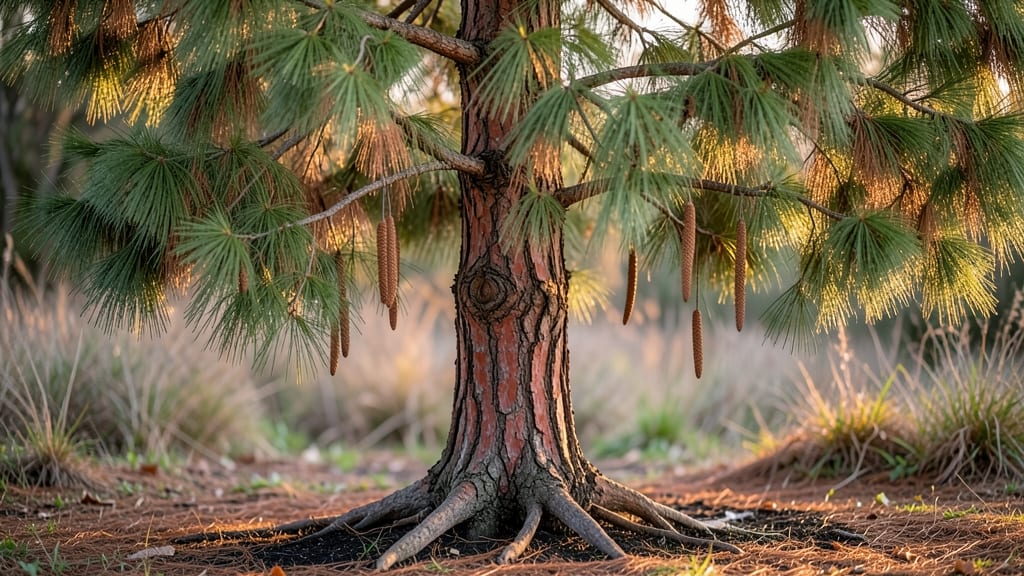
Cold-stratifying bald cypress seed pods guarantees those iconic "knees" in your wetland garden. 🌲 I’ve spent years wrestling with these finicky seeds—until I cracked the code on winter chilling, which breaks their stubborn dormancy and unlocks 90%+ germination rates.
The key is patience: harvest mature pods in fall, then mimic their natural winter cycle by storing them in damp sand or peat moss at 34-40°F for 60-90 days. Skip this step, and you’ll stare at stubborn, dry seeds that refuse to sprout—trust me, I’ve been there.
Once stratified, plant them in moist, acidic soil where they’ll thrive in full sun or partial shade. Within 2-3 weeks, you’ll see those first pale green needles, signaling success. The real magic? These trees handle swamps, bogs, and even containers with ease.
For beginners, start small: a single pod yields dozens of seeds, and even a failed batch teaches you what to adjust next time. Here’s how to do it right the first time.
📚 In This Guide
- What you need
- Instructions
- Tips and common mistakes
- Wrapping up and next steps
What you need
- ● Fresh bald cypress seed pods – Collect from mature trees (or buy from a reputable supplier). Aim for at least 50 pods for reliable germination.
- ● Cold-stratification setup: Ziplock bags (quart-size, 2-3 bags)
- ● Moistened peat moss or sphagnum moss (1 cup per bag)
- ○ Paper towels or coffee filters (optional, for extra moisture retention)
- ● Refrigerator – Must maintain 35–45°F (2–7°C) for stratification.
- ● Planting containers: Seed trays (with drainage holes) OR small pots (3–4 inches deep)
- ● Well-draining potting mix (e.g., 50% peat moss, 30% perlite, 20% sand)
- ● Spray bottle (for gentle watering)
- ○ Heat mat (optional but helpful) – Keeps soil at 70–75°F (21–24°C) post-stratification.
- ● Pruning shears – For harvesting seed pods (if not store-bought).
- ● Fine-mesh screen – Helps separate seeds from fibrous pod debris.
- ● Humidity dome – Speeds up germination in trays.
- ● pH test kit – Ensure soil pH is 5.0–6.5 (ideal for cypress).
- ● Grow lights – If natural light is limited (12–14 hours/day).
- ● Label markers – Track planting dates and varieties.
Step-by-step instructions for germinating bald cypress seed pods
Here's the foolproof method I use to break dormancy and coax those stubborn seeds into sprouting reliably.
🌱 Step 1: Harvest and Clean the Seed Pods
Collect mature seed pods when they turn brown and begin opening naturally—usually in late fall or winter. I like to gather them fresh from the tree and spread them on a clean towel to air-dry for 2-3 days in a warm, dry spot. This prevents mold while letting the pods release their seeds naturally.
Once dry, gently open each pod by hand and remove the seeds. Don't rush this—forcefully cracking pods can damage the seed coat. You'll notice healthy seeds are plump and slightly shiny, while shriveled ones should be discarded. Store the viable seeds in a paper envelope until stratification.
❄️ Step 2: Cold-Stratify Seeds for Dormancy Break
Bald cypress seeds require 60-90 days of cold stratification to mimic winter conditions. Place the seeds in a sealed plastic bag with a slightly damp paper towel—just enough moisture to feel damp, not soggy. I label the bag with the date and seal it tightly to prevent drying.
Store the bag in your refrigerator's crisper drawer, where temperatures stay consistently 35-40°F. Check the seeds every 2 weeks to ensure they haven't dried out. You'll know stratification is working when the seed coats soften slightly—this signals the internal dormancy is breaking.
🌱 Step 3: Sow Stratified Seeds in Moistened Growing Medium
After stratification, fill a seed tray with sterile seed-starting mix and moisten it until damp but not waterlogged. Bald cypress seeds germinate best when sown ¼ inch deep—just press them lightly into the surface rather than burying them. I use a small spoon to create tiny indentations for each seed.
Cover the tray with a clear plastic dome or wrap it in plastic wrap to maintain humidity. Place the tray in a warm spot with indirect light—70-75°F is ideal for germination. You'll see sprouts emerge in 3-6 weeks, though some may take longer. Patience is key here—don't disturb the seeds until you spot that first green tip.
☀️ Step 4: Provide Light and Gradually Acclimate Seedlings
Once seedlings appear, remove the plastic cover immediately to prevent damping-off. Move them to a bright location with filtered sunlight—direct sun can scorch tender young plants. A south-facing window with sheer curtains works well. You'll notice strong seedlings develop thick stems and vibrant green leaves within 4-6 weeks.
After 2-3 weeks of growth, start hardening off seedlings by placing them outdoors in a shaded spot for 1-2 hours daily. Gradually increase their time outside over 7-10 days to prepare them for transplanting. Bald cypress seedlings thrive in moist, well-drained soil, so keep them consistently hydrated during this transition.
🪴 Step 5: Transplant Seedlings to Permanent Locations
Transplant seedlings outdoors after the last frost when soil temperatures reach 60°F or warmer. Choose a location with full sun to partial shade and moist, acidic soil. Dig a hole twice as wide as the seedling's root ball but only as deep as the container it was growing in.
Water the hole thoroughly before placing the seedling in, then backfill with soil and firm gently around the base. Mulch with 2-3 inches of organic mulch to retain moisture and suppress weeds. Young bald cypress trees grow slowly, so give them space—plant them 10-15 feet apart to allow for future growth.
Tips & tricks for perfect bald cypress germination
These small details make all the difference between reliable sprouts and frustrating failures.
Pod Selection: Look for seed pods that are fully brown and beginning to open naturally—these are ready for harvest. Avoid green or partially open pods, as they won't contain viable seeds. I've found that pods collected in late fall yield the highest germination rates because they've had time to mature fully on the tree.
Stratification Success: The 60-90 days of cold stratification at 35-40°F is non-negotiable for bald cypress seeds. If your refrigerator runs cooler than 35°F, consider using a seed stratification fridge or moving the bag to a cooler part of your fridge. I place a thermometer inside the bag to monitor temperature—consistency is key.
Sowing Depth: Pressing seeds just ¼ inch deep is crucial—any deeper and they may not have enough light to break through the soil. I use a small spoon to create tiny indentations in the seed-starting mix, then gently place each seed into its own spot. This prevents overcrowding and makes it easier to monitor individual seeds as they sprout.
Light Management: Once seedlings emerge, filtered sunlight is essential during their first 4-6 weeks. Direct sun can scorch the delicate leaves, while too little light leads to leggy, weak seedlings. A south-facing window with sheer curtains provides perfect conditions. If natural light is limited, supplement with a grow light for 12-14 hours daily.
Pro Tips for Bald Cypress Seed Pods
- These small details make all the difference between reliable sprouts and frustrating failures.
- Pod Selection: Look for seed pods that are fully brown and beginning to open naturally—these are ready for harvest.
- Stratification Success: The 60-90 days of cold stratification at 35-40°F is non-negotiable for bald cypress seeds.
Frequently asked questions
Got questions about bald cypress seed pods?
You’re not alone! Here are the most common queries—and straightforward answers—to help you master germination like a pro.
When do bald cypress seed pods ripen and drop?
Bald cypress seed pods typically ripen in late fall to winter (November–February), turning brown and splitting open when fully dry. They often drop naturally, but you can harvest them earlier if they’re firm and brown. Pro tip: Collect pods when they’re still attached but starting to crack—this ensures peak viability.
How long does cold stratification take for these seeds?
Cold stratification for bald cypress seeds usually requires 60–90 days in moist, chilled conditions (33–41°F). Place them in a sealed bag with damp peat moss or paper towels, then refrigerate. Patience pays off! Skipping this step often leads to slow or uneven germination.
Can I plant bald cypress seeds directly outdoors without stratification?
While possible, direct outdoor planting without stratification is risky. Bald cypress seeds need cold exposure to break dormancy. For best results, stratify first, then sow in spring after the last frost. If planting outdoors immediately, choose a shaded, moist area and monitor closely for sprouts.
What if my bald cypress seeds aren’t germinating after stratification?
Try these troubleshooting steps:
- Check moisture: Seeds should stay consistently damp (not soggy) during stratification.
- Test viability: Cut open a few seeds—look for a green embryo. If none, your seeds may be old or damaged.
- Adjust timing: Extend stratification to 120 days if your climate is mild.
- Try heat: After stratification, place seeds in warmth (70–75°F) to encourage sprouting.
Are bald cypress seed pods toxic to pets or wildlife?
No, bald cypress seed pods and trees are non-toxic to pets and wildlife. In fact, they’re a natural food source for birds and small mammals! However, always supervise pets when introducing new plants to their environment. Plus, the tree’s swamp-loving roots make it a great eco-friendly choice for wetland gardens.
Wrapping up and next steps
Bald cypress seed pods may seem tricky at first, but with cold stratification and patience, you can unlock a reliable harvest of lush, native seedlings. 🌱 Whether you're restoring wetlands or adding texture to your landscape, these steps ensure success—so grab your supplies and get growing!
Ready to take the next step? Start small with a few pods this season, then scale up as you refine your technique.
Pro tip: Share your progress with local gardening groups—you might inspire others to grow these resilient trees too! 🌿