
Lawn
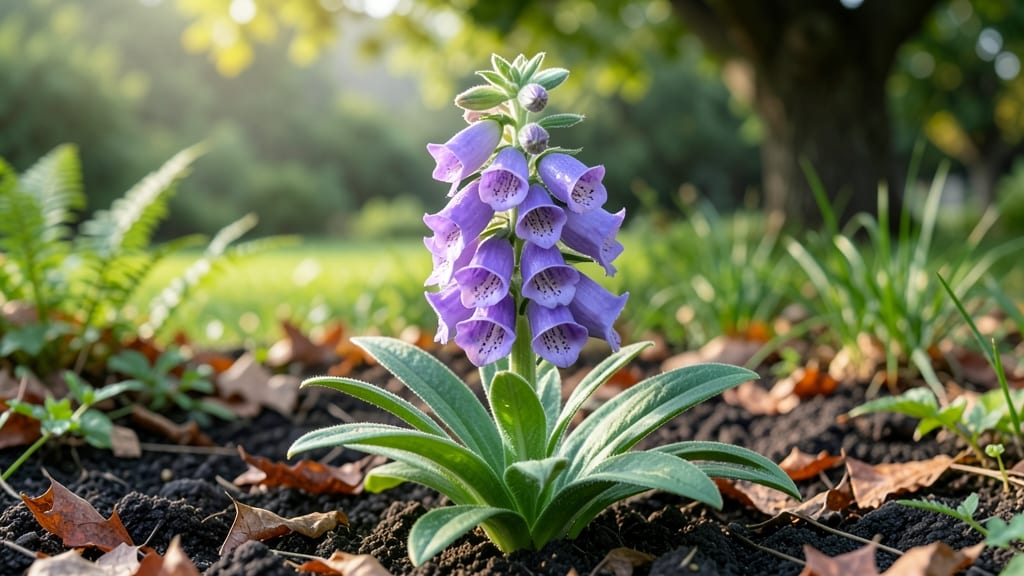
Collecting foxglove seed pods at the right moment turns last year's blooms into next season's showstoppers. 🌿 The moment those tall, bell-shaped flowers fade to brown and split open, you've got a 30-day window to harvest before seeds scatter or lose viability.
I've learned the hard way—wait too long, and you're left with empty pods or seeds that won't germinate.
Start by gently twisting mature pods from the stem (they'll release easily when ready) and lay them in a single layer on paper towels. Store them in a cool, dark place like a basement or garage for 2-3 weeks—this mimics nature's drying process.
The goal is to prevent mold while keeping seeds viable; too much heat or humidity ruins them fast.
Once dry, crack open the pods to reveal tiny, wrinkled seeds that look more like dust than planting material. These are light-sensitive, so store them in an airtight container with a moisture-absorbing packet in the freezer.
With proper storage, they'll stay good for 2-3 years, ready to grow into those iconic spires again.
Spring germination is your best bet—sow seeds on the surface of damp potting mix (they need light to sprout) and keep them consistently moist but never soggy.
Seedlings appear in 2-4 weeks, though foxglove's slow start makes patience a virtue. The payoff? Plants that thrive for years with minimal care.
📚 In This Guide
- What you need
- Instructions
- Tips and common mistakes
- Wrapping up and next steps
What you need
- ● Mature foxglove seed pods: Collect only fully brown, dry pods (late summer to early fall). Aim for 10–20 pods per batch, depending on storage space.
- ● Paper bags (kraft or breathable): 2–4 bags (one per 5–10 pods). Avoid plastic—it traps moisture!
- ● Newspaper or cardboard: For a drying tray (cut to fit a flat surface like a table or baking sheet).
- ● Rubber bands or twine: To secure seed pods to the drying tray.
- ○ Small mesh bags or envelopes: Optional but ideal for long-term storage (e.g., seed-saving envelopes).
- ● Pruning shears or clean scissors: For harvesting pods without damaging the plant.
- ○ Glove (optional): Foxglove leaves can irritate skin—wear a lightweight gardening glove if sensitive.
- ● Dry, well-ventilated space: A cool (60–70°F), dark area with low humidity (e.g., garage, shed, or basement).
- ● Labeling supplies: Permanent marker + small tags (write pod source/date).
- ○ Air-tight containers: Optional for final storage (e.g., glass jars with silica gel or resealable plastic bags with oxygen absorbers).
Step-by-step guide to drying and storing foxglove seed pods
Here's how I preserve foxglove pods for years of future blooms—no guesswork, just reliable results.
🌿 Step 1: Harvest Mature Seed Pods at Peak Ripeness
Wait until the pods turn a rich, papery brown and begin splitting open naturally. You'll see the seeds inside looking like tiny black beans. Harvest on a dry morning after dew has evaporated—this prevents moisture from getting trapped inside the pods.
Gently twist each pod from the stem using your fingers. Don't pull too hard or you'll damage the plant's remaining foliage. I like to harvest in small batches so I can process them fresh rather than letting them dry out on the plant.
💧 Step 2: Clean and Prepare Pods for Drying
Remove any remaining plant debris or damaged pods. Lay them out on a clean, dry surface like a wire rack or paper towels. The key here is airflow—you want pods to dry slowly and evenly, not in clumps where moisture gets trapped.
I often place them in a single layer on a baking sheet lined with parchment paper. This keeps them from touching each other while allowing air to circulate underneath. Avoid direct sunlight at this stage—it can cause the pods to overheat and crack prematurely.
⏰ Step 3: Dry Pods Properly Over 2-4 Weeks
Find a spot with indirect light and good airflow, like a covered porch or well-ventilated room. The pods are ready when they rattle when shaken—this means the seeds inside are completely dry. This process typically takes 2-4 weeks, depending on your climate's humidity levels.
Check weekly and gently squeeze a pod. It should feel light and crisp, not at all pliable. If you see any signs of mold or soft spots, remove those pods immediately and discard them to prevent spoiling the rest.
🪴 Step 4: Extract and Store Seeds Properly
Once fully dry, place the pods in a paper bag and gently squeeze them to release the seeds. I like to do this over a clean sheet of paper to catch any stray seeds. The seeds should be completely dry and hard when they land.
Store the seeds in an airtight container like a glass jar with a tight-sealing lid. Add a small packet of silica gel if you're in a humid climate—this helps absorb any lingering moisture. Label the container with the date and variety if you're growing multiple types.
☀️ Step 5: Maintain Viability Through Storage
Keep the seeds in a cool, dark place like a pantry or seed storage box. Foxglove seeds can remain viable for 2-3 years when stored properly. Check the container every few months to ensure no moisture has accumulated.
Real talk: foxglove seeds have a dormancy period, so don't expect germination right away. I like to cold-stratify them in the refrigerator for 4-6 weeks before planting to break dormancy. This mimics winter conditions and helps trigger germination.
Tips & tricks for perfect foxglove seed pod preservation
These little-known tricks will help you preserve foxglove seeds like a seasoned gardener—no more wasted harvests!
Harvest Timing: I can't stress this enough—harvest pods only when they're fully brown and starting to split open. Green pods won't dry properly, and overripe pods will release seeds prematurely. The tiny black beans inside should be clearly visible through the papery skin. Here's the thing: morning harvests work best because dew can trap moisture inside the pods, creating the perfect conditions for mold.
Drying Environment: The 2-4 week drying period is where most people go wrong. Humidity is your enemy! If you're in a damp climate, consider using a small fan on low setting near your drying pods to improve airflow. I've found that placing pods on a wire mesh rack over a baking sheet (with no heat) creates ideal conditions. Avoid basements or enclosed spaces—they trap moisture and can lead to moldy pods.
Seed Viability Check: Before storing, do this quick test: squeeze a dried pod between your fingers. It should feel completely hollow and make a rattling sound when shaken. If it feels even slightly soft or spongy, it needs more drying time. This simple check prevents you from storing seeds that won't germinate. For extra assurance, I like to store a few pods separately and check their contents after 6 months—they should still look dry and intact.
Cold Stratification Secret: That 4-6 week cold treatment isn't just optional—it's essential for breaking foxglove's natural dormancy. I place my seeds in a sealed bag with a bit of damp paper towel, then store them in the vegetable crisper of my fridge. This mimics winter conditions perfectly. Pro move: label your cold-stratified seeds with the date they entered the fridge so you remember when to plant them in spring.
Pro Tips for Foxglove Seed Pods
- These little-known tricks will help you preserve foxglove seeds like a seasoned gardener—no more wasted harvests!
- Harvest Timing: I can't stress this enough—harvest pods only when they're fully brown and starting to split open.
- Drying Environment: The 2-4 week drying period is where most people go wrong.
Frequently asked questions
Got questions about preserving foxglove seed pods? Here are some common ones—and their answers—to help you master the drying and storage process like a pro!
When are foxglove seed pods ready to harvest?
Harvest pods when they turn tan or light brown and split open naturally (usually late summer to early fall). Avoid harvesting if they’re still green or wet—this ensures the best viability. Pro tip: Test a few pods by gently squeezing them; if seeds rattle inside, they’re ready!
How long do dried foxglove seed pods stay viable?
Properly dried and stored pods can stay viable for 2–3 years in cool, dark conditions (like a sealed container in the fridge). After that, germination rates drop, but you can still try planting them. For best results, label pods with the harvest date to track freshness!
Can I store foxglove seed pods in my garage or basement?
Yes, but with caution! Garages can be too humid, while basements may lack airflow. Opt for a cool (50–60°F), dry (30–40% humidity) spot, like a paper bag or breathable cloth sack hung in a pantry or shed. Avoid plastic—it traps moisture and speeds up spoilage.
What’s the best way to speed up drying if pods are still damp?
Spread pods in a single layer on a paper towel or mesh screen in a well-ventilated, dry area (like a sunny windowsill or dehumidifier spot). Avoid direct heat (e.g., ovens or heaters)—it can crack pods or kill seeds. Turn them every 12–24 hours for even drying (usually 1–2 weeks).
Are there alternatives to drying foxglove pods outdoors?
If your climate is too humid, try these indoor hacks:
- Dehumidifier trick: Place pods near a running dehumidifier (keep them 2+ feet away).
- Silica gel: Mix pods with silica gel beads in a sealed container (remove seeds before planting).
- Oven method (last resort): Set oven to 150°F (65°C), prop door open, and dry pods for 1–2 hours (monitor closely!).
Why did my foxglove seeds not germinate after storage?
Common culprits:
- Pods weren’t fully dry before storage (mold or rot can set in).
- Seeds were stored in high humidity or extreme temps (freezing or above 80°F).
- Old seeds (beyond 3 years) or improper planting (foxglove needs light to germinate—don’t bury deeply!).
Wrapping up and next steps
Mastering the art of drying and storing foxglove seed pods ensures you’ll have a steady supply of these stunning blooms for years to come! 🌿 With the right tools, patience, and care, you can preserve viability and even share seeds with fellow gardeners.
Whether you’re a seasoned gardener or just starting out, every step you take brings you closer to a thriving garden.
Ready to put your newfound knowledge into action? Start by harvesting your pods today—then follow the drying and storage blueprint to keep them fresh and ready for planting. Happy gardening! 🌱