
Size
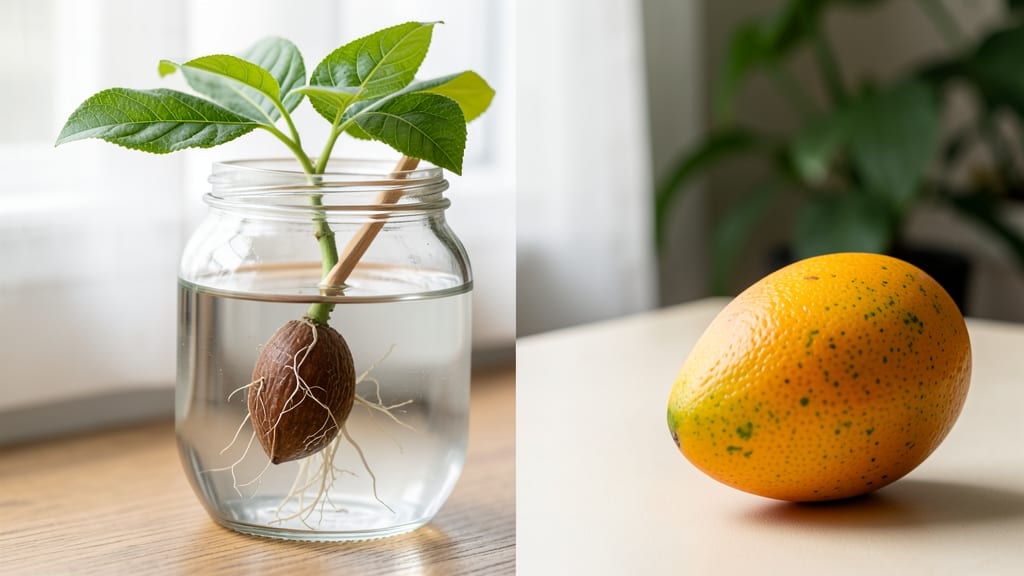
Growing a mango seed in water is one of those gardening magic tricks that actually works—no green thumb required. 🌱 I’ve turned grocery store scraps into thriving saplings this way, and you can too, with just a glass of water and a little patience. The best part?
You’ll see roots in as little as 10 days, ready to transplant by 3 weeks. Start with a fresh, plump mango seed—no dried-out or shriveled ones. Rinse it clean, then suspend it in a glass of water so only the bottom third is submerged.
Change the water every 2-3 days to keep it fresh, and place your glass near a sunny window (but not in direct sun). Within a week, you’ll spot tiny white roots sprouting like magic.
By week three, those roots will be 2-3 inches long, and your seedling will have a few leaves unfurling. That’s when you’ll know it’s ready to move into soil.
The transition is smooth if you harden it off first—just place the pot outside for a few hours each day before committing it to the ground. This method works for any tropical fruit seed—try it with avocados or citrus next.
The key is consistency: fresh water, bright light, and a little daily check-in. Soon, you’ll have a lush little tree that’s all yours. Here’s how to keep it thriving after transplanting!
📚 In This Guide
- What you need
- Instructions
- Tips and common mistakes
- Wrapping up and next steps
What you need
- ● Fresh mango seed: Choose a plump, undamaged seed from a ripe, organic mango (avoid store-bought ones treated with preservatives). 💡 Pro tip: The seed should feel heavy for its size!
- ● Clean glass or jar: A wide-mouth jar (16–24 oz) or a clear glass (8–12 inches tall) works best—just make sure it’s sterilized (boil with water for 5 mins).
- ● Filtered or distilled water: Room-temperature, chlorine-free water (tap water can work if left out overnight to dechlorinate).
- ● Scissors or knife: For trimming the seed if needed (e.g., removing excess fruit pulp).
- ● Paper towels or coffee filters: To cover the jar loosely (prevents mold while allowing airflow).
- ● Toothpicks or skewers: For propping open the seed if it’s too tight (encourages faster sprouting).
- ● Grow light or sunny windowsill: A 12–16 hour/day light source (natural sunlight or LED grow bulb) speeds up growth.
- ● Small pot or seedling tray: For transplanting once roots reach 2–3 inches (use well-draining soil).
- ● Fertilizer (diluted): A balanced liquid fertilizer (5-5-5 or 10-10-10) can be added to water after 2 weeks for a boost.
Step-by-step instructions for growing a mango seed in water
Here’s how to transform a mango pit into a thriving sapling—no soil required.
🌱 Step 1: Prepare the Seed for Germination
Start with a fresh mango pit—one that’s firm and free of cracks. Rinse it gently to remove any pulp, then let it dry completely for 24 hours. This prevents mold from forming in the water later. I like to pat it dry with a paper towel, then set it aside on a clean surface.
Next, place the pit in a small glass or jar with 2-3 inches of water—just enough to cover about half of it. The top half should stay dry to prevent rot. Use room-temperature water, as cold water can slow germination. Change the water every 2-3 days to keep it fresh and oxygenated.
💧 Step 2: Wait for Roots and Sprouts to Appear
Place the jar in a warm, bright spot—like a sunny windowsill—but avoid direct sunlight, which can overheat the water. Within 7-14 days, you’ll see tiny white roots sprouting from the bottom. This is your first sign of success! Once roots reach about 1-2 inches long, they’re strong enough to support new growth.
Around the same time, a green shoot will emerge from the top of the pit. Keep the water level consistent—never let it drop below the roots, but don’t submerge the entire pit. If the water gets cloudy or smells funky, dump it and refresh. This ensures your seedling stays healthy and mold-free.
☀️ Step 3: Transition to Soil When Roots and Stem Are Established
Once your mango seedling has 3-4 inches of roots and a 2-3 inch stem, it’s ready for soil. Fill a small pot with well-draining potting mix—mango trees hate soggy roots. Gently place the seedling in the soil, burying it up to where the roots meet the stem. Press the soil lightly around it to secure it.
Water lightly to settle the soil, then place the pot in bright, indirect light. Avoid direct sun at first—it can shock the delicate new leaves. Over the next 2-3 weeks, you’ll see the seedling adapt to its new home. This is when it starts putting energy into leaves instead of just roots.
🌿 Step 4: Care for Your Young Sapling
Keep the soil consistently moist but not soggy—stick your finger in the top inch of soil. If it feels dry, water gently. Mango seedlings thrive in warmth (70-85°F) and humidity, so a sunny windowsill or a grow light works well. Rotate the pot occasionally so the stem grows straight instead of leaning toward the light.
Fertilize lightly every 4-6 weeks with a balanced, water-soluble fertilizer diluted to half strength. Too much fertilizer can burn young roots. Watch for yellowing leaves—this usually means overwatering or poor drainage. Adjust your care based on what you see, and soon you’ll have a sturdy sapling ready for a larger pot or garden spot.
Tips & tricks for growing a mango seed in water
Between us, growing a mango seed in water is one of those rewarding projects that feels like magic—especially when you see those first roots appear. Here's what nobody tells you about making it work every time.
Seed Selection Tip: Not all mango pits are created equal. Choose one that's fully ripe but still firm—soft or cracked pits often rot before they sprout. I've found that pits from organic mangoes tend to germinate more reliably, possibly because they're less treated with preservatives that might inhibit growth. Once you've picked your pit, the 24-hour drying period is non-negotiable—this step prevents mold from forming when you place it in water.
Water Quality Matters: Room-temperature water is crucial because cold water can shock the seed and slow germination. I like to use filtered water or rainwater if possible, as tap water with chlorine can sometimes inhibit root growth. The 2-3 inches of water should cover about half the pit—this partial submersion prevents rot while still providing enough moisture for root development. That cloudy water smell? That's your signal to change it immediately, as it indicates bacterial growth that could harm your seedling.
Lighting Strategy: The warm, bright spot mentioned in Step 2 needs to be indirect sunlight—direct sun can overheat the water and cook your seedling before it even gets started. I've had success placing my seedling on a north-facing windowsill or under a grow light on a timer for 12 hours a day. The key is consistency: once those roots reach 1-2 inches, they're ready to support new growth, but they need stable conditions to do so.
Transition Timing: When your seedling has 3-4 inches of roots and a 2-3 inch stem, it's ready for soil—but don't rush this step. The roots need to be strong enough to support the plant's new growth above ground. I've seen seedlings that were moved too soon develop weak stems that couldn't support their own weight. During that 2-3 week adjustment period, keep the soil consistently moist but not soggy—mango trees truly hate wet feet, and this is when they're most vulnerable to root rot.
Pro Tips for Grow A Mango Seed In Water
- Between us, growing a mango seed in water is one of those rewarding projects that feels like magic—especially when you see those first roots appear.
- Seed Selection Tip: Not all mango pits are created equal.
- Water Quality Matters: Room-temperature water is crucial because cold water can shock the seed and slow germination.
Frequently asked questions
Got questions about growing a mango seed in water? You’re not alone! Here are some of the most common queries—and their answers—to help you succeed without the guesswork.
How long does it take for a mango seed to sprout in water?
A mango seed typically sprouts roots within 1–3 weeks when kept in water. If you don’t see roots after 3 weeks, check the water level (it should cover the seed but not drown it) and ensure the seed is in a warm, humid spot. Patience is key—some seeds take longer!
What if my mango seed rots in water?
Rotting happens when the seed stays too wet or in stagnant water. To prevent this, change the water every 2–3 days and use filtered or dechlorinated water. If you notice a foul smell or mold, rinse the seed with fresh water and let it dry slightly before re-submerging.
Can I grow a mango seed directly in soil instead of water?
Yes! Some gardeners prefer planting the seed directly in well-draining soil after it’s sprouted roots. However, starting in water gives you better control over root development. If you skip the water step, keep the soil moist but not soggy and place the pot in a warm, sunny spot.
How do I know if my mango seedling is healthy?
A healthy mango seedling has white, fibrous roots (1–3 inches long) and a small green shoot. Avoid overwatering—yellowing leaves or a mushy stem signal root rot. Once roots are 2–3 inches long, it’s ready for soil transplanting!
Will a mango tree grown from seed produce fruit like the parent?
Probably not! Seed-grown mango trees may take 5–10 years to fruit (if they do at all), and the fruit won’t match the parent tree’s variety. For reliable fruit, graft a known cultivar onto your seedling. But hey—growing from seed is still a fun (and free!) way to start!
Wrapping up and next steps
Growing a mango seed in water is a rewarding and simple process that brings nature’s magic into your home! 🌱 With just a little patience and care, you can nurture a tiny seed into a rooted sapling ready for planting in just three weeks.
Whether you’re a gardening newbie or a plant enthusiast, this method offers a fun, low-cost way to connect with the growth cycle.
Now that you’ve got the know-how, why not take the next step? Once your mango seedling has strong roots, transplant it into soil and watch it thrive. Who knows—you might just grow a fruit tree of your own someday! 🌳✨