
Planting
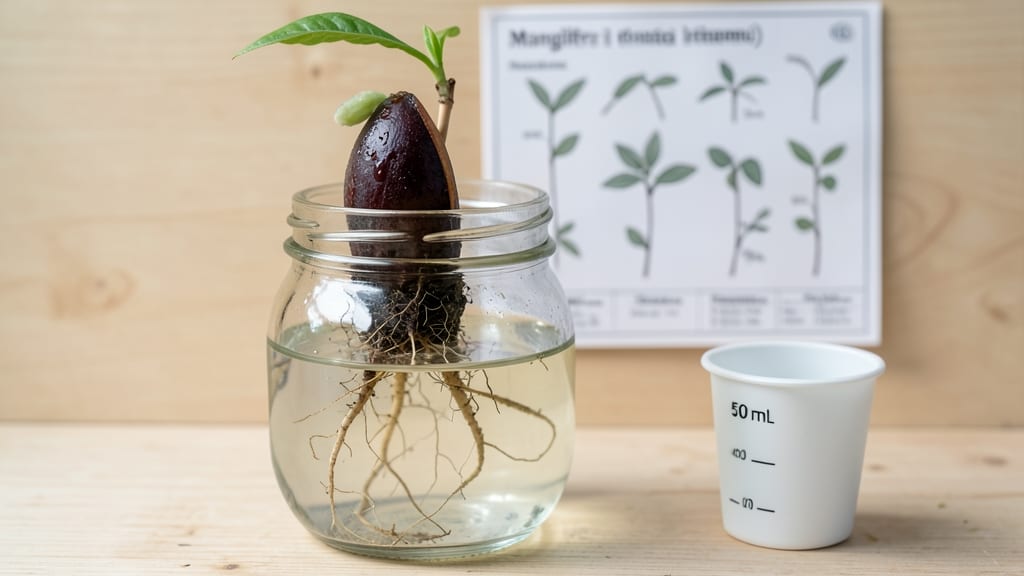
Planting a mango seed in water is one of those magical moments that turns a grocery store trip into a year-long experiment. 🌱 The key to success lies in patience—those first roots can take 2-4 weeks to appear, but when they do, it’s like watching a tiny jungle grow in your kitchen.
You’ll need just three things: a fresh seed (save it from a ripe mango), a clear glass or jar, and clean water. The trick is keeping the seed partially submerged—never fully covered—to avoid mold while encouraging root growth. Change the water every 3-4 days to prevent bacteria buildup.
Once roots reach about 2-3 inches, it’s time to transplant into soil. That’s when the real adventure begins—your seedling will need bright, indirect light and a warm spot to thrive. I’ve seen mine grow into 3-foot-tall plants in just six months, though fruiting takes years.
Common mistakes? Overwatering (roots rot quickly) or impatience (forcing early transplant). Stick with it—your future mango tree starts with this simple step.
📚 In This Guide
- What you need
- Instructions
- Tips and common mistakes
- Wrapping up and next steps
What you need
- ● Fresh mango seed – Choose a seed from a ripe, organic mango (avoid seeds from store-bought fruit if possible).
- ● Clean glass or jar – A clear container (8–12 oz) with a wide mouth works best for visibility.
- ● Water – Use room-temperature, filtered water (change it every 2–3 days).
- ● Paper towel or coffee filter – Helps keep the seed moist without over-saturating it.
- ● Rubber band or string – Secures the paper towel around the seed.
- ● Pencil or chopstick – Prop the seed upright in the glass.
- ● Sunny windowsill or grow light – A spot with indirect sunlight (6–8 hours/day).
- ● Spray bottle – For gentle misting if the seed dries out.
- ● Planting pot & soil – Once sprouted, you’ll need a 6–12" pot with well-draining soil.
- ● Fertilizer (balanced, water-soluble) – For faster growth after transplanting.
- ● Humidity dome or plastic wrap – Creates a mini greenhouse effect for faster germination.
Step-by-step instructions for germinating a mango seed in water
Here’s how I’ve sprouted dozens of mango seeds—no fancy tools, just patience and a sunny windowsill.
🌱 Step 1: Extract and Clean the Seed
Start with a fresh, plump mango seed—avoid dried or cracked ones. Cut through the hard shell with a sharp knife, then peel away the outer brown layer to expose the smooth, tan seed inside. Rinse it under cool water to remove any pulp residue, which can rot the seed.
Real talk: if the seed feels light or hollow when tapped, it won’t sprout. Pick a seed that’s heavy for its size—those are your winners. I like to soak the cleaned seed in warm water for 10 minutes to soften the outer coating slightly. This helps the seed absorb moisture faster.
💧 Step 2: Set Up the Water Germination Station
Fill a small glass or jar with room-temperature water—enough to cover about half the seed. Use a clear container so you can monitor progress. Place the seed in the water with the pointed end facing downward (this is the root end). The flat side should stay above water.
Change the water every 2-3 days to prevent bacteria buildup. You’ll see tiny white roots emerge within 7-14 days—that’s your signal everything’s working. If the water gets cloudy or smells funky, dump it and refresh immediately. Mold or foul odors mean it’s time to start over.
☀️ Step 3: Wait for Roots and Transfer to Soil
Once roots reach 1-2 inches long (usually 2-4 weeks), it’s time to plant. Fill a small pot (3-4 inches deep) with well-draining potting mix—mango seedlings hate soggy roots. Make a hole in the center, about 1 inch deep, and gently place the seed with roots down.
Cover the roots lightly with soil, leaving the top half of the seed exposed. Water gently until moisture seeps from the bottom of the pot. Place the pot in bright, indirect light—direct sun now will scorch the tender seedling. You’ll see the first true leaves (not the seed leaves) in 2-3 weeks after planting.
🌿 Step 4: Care for the Young Seedling
Keep the soil evenly moist but not soggy—stick your finger in the mix. If the top inch feels dry, water lightly. Overwatering is the #1 killer of young mango seedlings. Use a spray bottle for precision, especially in the first month.
Once the seedling reaches 6 inches tall, transplant it to a larger pot (6-8 inches) or directly into the ground in USDA zones 10-11. Mango trees need full sun (6+ hours daily) and warm temperatures to thrive. If you’re in a cooler climate, keep it indoors near a sunny window until spring.
⏰ Step 5: Monitor Growth and Troubleshoot
Watch for yellowing leaves—this usually means overwatering or poor drainage. If the soil stays damp for more than 2 days, let it dry out slightly before watering again. Leggy, weak stems? Your seedling needs more light—move it closer to the window or under a grow light.
Patience is key: most mango seeds take 6-12 months to bear fruit, but the journey is worth it. I’ve had seedlings survive for years in pots, eventually flowering with tiny, edible mangoes—though store-bought varieties are sweeter. Celebrate the first true leaves—they’re your reward for sticking with it!
Tips & tricks for germinating a mango seed in water
Here's what nobody tells you about turning that mango pit into a thriving plant.
Seed Selection: The secret to success starts with choosing the right seed. Look for seeds that are plump, heavy, and free from cracks or soft spots. Tap two seeds together—if they sound solid and don't feel hollow, you've got winners. I've had the best luck with seeds from organic mangoes, as they tend to be fresher and more viable. The 10-minute warm water soak in Step 1 is your best friend here—it kickstarts the germination process by softening the outer shell, making it easier for roots to break through.
Container Choice: While any clear container will work, I've found that wider, shallower containers (like a small mason jar or a glass with a diameter of at least 3 inches) give roots more room to spread out. This prevents them from becoming tangled and stunted. If you notice roots circling around the seed, it's time to transfer to soil sooner rather than later. For visibility, I use a clear glass jar with a lid that's slightly loose—this allows for airflow while keeping out pests.
Water Quality and Maintenance: The water you use matters more than you might think. Tap water with chlorine can sometimes inhibit germination, so if you're concerned, let your water sit out for 24 hours before using it. When changing the water every 2-3 days, I like to use a small cup to pour out the old water carefully, leaving the seed undisturbed in the jar. This minimizes stress on the emerging roots. If you see any black spots or a foul smell developing, don't wait—change the water immediately and consider cleaning the container with a mild vinegar solution to kill any potential bacteria.
Light Requirements: While indirect light is crucial during the soil stage, your water-germinated seed actually doesn't need much light at all during this phase. Place your jar in a spot where it won't get direct sunlight (which can overheat the water) but where you can easily monitor it. I keep mine on a kitchen counter near a window that gets morning sun. Once you transfer to soil, that's when light becomes critical—but during the water stage, consistency in water level and temperature is more important than light exposure.
Pro Tips for Plant A Mango Seed In Water
- Here's what nobody tells you about turning that mango pit into a thriving plant.
- Seed Selection: The secret to success starts with choosing the right seed.
- Container Choice: While any clear container will work, I've found that wider, shallower containers (like a small mason jar or a glass with a diameter of at least 3 inches) give roots more room to spread out.
Frequently asked questions
Got questions about growing a mango tree from a seed? You’re not alone! Here are answers to the most common queries to help you avoid pitfalls and boost your success rate.
How long does it take for a mango seed to sprout in water?
A mango seed typically sprouts in 2–4 weeks when kept in warm water (around 70–80°F). Patience is key—some seeds may take longer, especially if the water isn’t changed regularly or if the seed isn’t viable. If you don’t see sprouts after 6 weeks, the seed may not have germinated.
Do I need to change the water daily, or can I leave it?
Change the water every 2–3 days to prevent mold, bacteria, or stagnation. Stale water can rot the seed or suffocate the sprout. Use a clean jar or glass, and refresh the water with a splash of hydrogen peroxide (1 tsp per cup) every few days to keep it fresh and sterile.
When should I transfer the sprout to soil?
Move the sprout to soil once it’s 3–5 inches tall and has a few leaves. Wait until the roots are 1–2 inches long and the seedling looks sturdy. Use well-draining potting mix and keep the soil moist (not soggy) for the first few weeks to help it adjust.
Will my mango tree grow fruit from a seed?
Probably not the same variety as the parent tree! Seed-grown mangoes are unpredictable—they may produce small, tart fruit or even none at all. For consistent, edible mangoes, grafted trees are the way to go. But don’t worry—your seedling will still make a beautiful, hardy ornamental tree!
What if my mango seed rots or mold grows?
If you see black mold, foul smells, or a mushy seed, it’s rotting. Drain the water immediately, rinse the seed with hydrogen peroxide (1:10 ratio), and let it dry for a few hours before re-submerging. If the seed is already soft or discolored, it’s likely dead—try another seed! Keep the jar in a warm, sunny spot (not direct sunlight) to prevent overheating.
Can I speed up germination with heat?
Yes! Mango seeds germinate faster in warmth (75–85°F). Place the jar near a sunny window, on a heating mat (set to low), or even in a warm spot like above a fridge. Avoid extreme heat—consistent warmth is more effective than sudden spikes. A mini greenhouse or clear plastic wrap can also help trap humidity.
Wrapping up and next steps
Growing a mango tree from a seed in water is a rewarding journey that teaches patience and nurtures a love for nature! 🌱 With just a little care—consistent water changes, proper lighting, and gentle handling—you’ll soon witness those first sprouts push through the soil.
Once your seedling is strong enough, it’s time to transplant it into a pot or garden bed, giving it room to thrive and eventually bear fruit.
Don’t let small setbacks discourage you—every gardener faces challenges, but the joy of watching your mango seedling grow is worth it. Now’s your chance to take the next step: research soil types, sunlight needs, or even share your progress with fellow plant lovers. Happy growing! 🌿