
Lawn
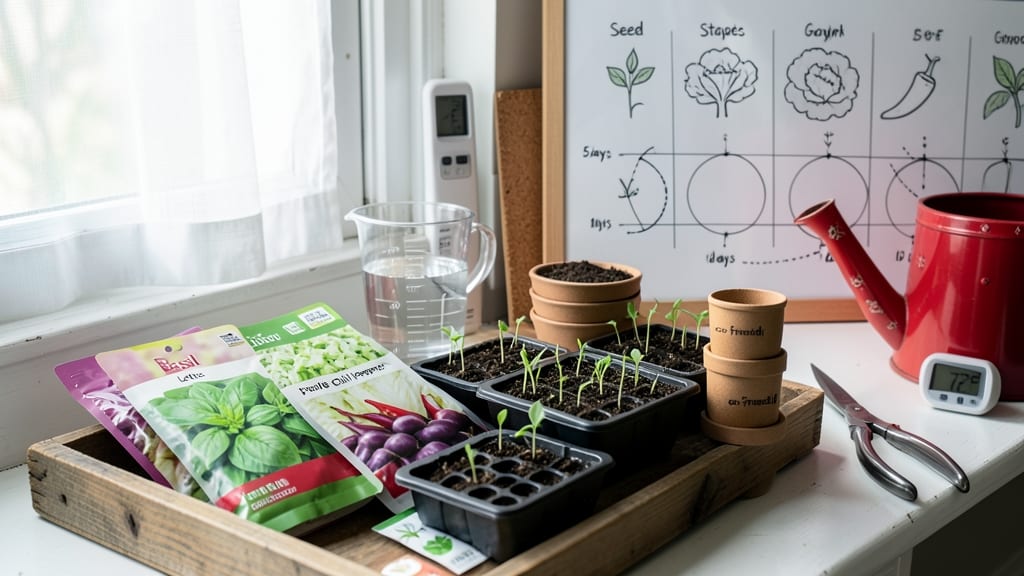
Starting seeds indoors with the right indoor seed planting chart means lush, healthy transplants ready for your garden by spring. 🌱 I’ve tracked my seed-starting timeline for five years, and the difference between a thriving garden and a sad, leggy mess comes down to timing—especially for cool-season crops like broccoli and warm-season stars like tomatoes.
This chart simplifies the process by matching each plant to its ideal start date, based on your last frost date. You’ll see exactly when to plant everything from lettuce to peppers, plus germination times so you know when to expect those first green shoots.
No more guessing whether your seedlings are "ready" or just struggling.
With the right setup—grow lights, seedling trays, and a heat mat—you’ll have stocky, dark-green seedlings in just a few weeks. The chart even includes notes on light needs and transplanting tips, so you skip the common mistakes that lead to weak plants.
Whether you’re a first-time gardener or a seasoned grower, this blueprint turns indoor seed starting from a gamble into a foolproof routine. Grab your calendar and let’s get those seeds going!
📚 In This Guide
- What you need
- Instructions
- Tips and common mistakes
- Wrapping up and next steps
What you need
- ● Seedlings or seeds: Choose fast-growing, indoor-friendly varieties like basil, lettuce, or microgreens (1-2 packets per month).
- ● Containers: Seed trays (5-10, 12-cell packs) or small pots (3-5, 4-6" diameter).
- ● Drainage trays (1-2) to catch excess water.
- ● Growing medium: Seed-starting mix (1-2 bags, sterile and lightweight).
- ● Light source: Grow lights (1-2, full-spectrum LED, 12-16 hrs/day).
- ● OR a sunny windowsill (south-facing preferred).
- ● Watering can or spray bottle (with a fine mist setting).
- ● Labels & markers (to track seed types and planting dates).
- ○ Humidity dome or plastic wrap (optional but helpful for germination).
- ● Heating mat (for slow-germinating seeds like peppers or tomatoes).
- ● pH testing kit (to monitor soil acidity, ideal range: 5.8-6.2).
- ● Fertilizer (balanced liquid or slow-release pellets, half-strength for seedlings).
- ● Timer (to automate light cycles).
- ● Notebook or app (to log planting dates, watering schedules, and growth milestones).
Step-by-step indoor seed planting timeline
Here's the month-by-month schedule I swear by for foolproof indoor seed starting.
📅 Step 1: Plan Your Planting Schedule by Last Frost Date
First, find your average last frost date—this is your anchor point. Count backward from that date to determine when each variety should start indoors. Leafy greens and herbs can go in 4-6 weeks before transplanting, while tomatoes and peppers need 6-8 weeks of indoor growth. I mark these dates on my calendar with colored stickers so I don't miss them.
For example, if your last frost is May 15, start tomatoes on March 15 and lettuce on April 15. This ensures seedlings are mature enough to handle outdoor conditions without shock. I always plant a few extra seeds just in case—some varieties germinate unpredictably, and you don't want to run out of healthy starts.
🌱 Step 2: Start Cool-Season Crops in Early Spring
Begin with cool-season crops like lettuce, spinach, and kale in February or early March. These thrive in cooler temperatures and can handle transplanting earlier in the season. Use a seed-starting mix in small cells or biodegradable pots to prevent root binding—crowded roots mean stunted growth.
Keep them under grow lights or bright windowsills with 12-14 hours of light daily. You'll see first true leaves appear in 7-14 days, depending on the variety. Thin seedlings to the strongest one per cell, snipping the weaker ones at soil level. This might seem harsh, but it prevents competition for nutrients and gives your plants room to grow.
☀️ Step 3: Transition to Warm-Season Crops in Late Winter
Shift to warm-season crops like tomatoes, peppers, and eggplants in late February or March. These need a longer indoor growing period and warmer soil temperatures to germinate. I use a seedling heat mat set to 75-85°F to speed up germination—without it, some seeds take twice as long to sprout.
Once seedlings emerge, move them under grow lights immediately. Warm-season crops stretch toward light aggressively if they don't get enough intensity. You'll know they're getting adequate light when the stems are thick and dark green, not leggy and pale. Harden them off 2 weeks before transplanting by gradually increasing outdoor exposure.
⏰ Step 4: Succession Plant for Continuous Harvests
For leafy greens and herbs, make weekly sowings every 2-3 weeks starting in early spring. This ensures a steady supply of fresh harvests. I label each tray with the planting date so I know when to expect mature plants. Succession planting is key for crops like basil and lettuce—they bolt (go to seed) quickly in warm weather, so staggered plantings keep production going.
Watch for first true leaves to appear, then adjust watering to keep the soil evenly moist but not soggy. Overwatering at this stage causes damping-off, a fungal disease that collapses seedlings overnight. If you notice stems turning brown at the base, reduce watering and improve airflow immediately.
🌿 Step 5: Prepare for Transplanting Outdoors
About 2 weeks before the last frost, begin hardening off your seedlings. Start by placing them outside in a sheltered spot for 1-2 hours the first day, then gradually increase their time outdoors over 7-10 days. This toughens them up so they can handle wind, sun, and temperature fluctuations in the garden.
Transplant on an overcast day or late afternoon to reduce stress. Bury seedlings deeper than they were in pots—up to the first set of true leaves—since this encourages stronger root growth. Water deeply at the base to settle the soil and eliminate air pockets. You'll know they're thriving when new leaves appear within 7-10 days of transplanting.
Tips & tricks for perfect indoor seed planting timing
These pro tips will help you avoid common pitfalls and maximize your indoor seed starting success every season.
Last Frost Date Accuracy: Don't rely on general frost date averages—check your local weather station records for the past 5 years to find your true last frost date. Microclimates vary dramatically even within cities, and this single factor determines all your planting windows. I've seen neighbors with frost dates differing by 2 weeks just blocks apart! For extra precision, place a thermometer outside to confirm when nighttime temps consistently stay above 32°F.
Light Intensity Matters: Those 12-14 hours of light need to be bright enough—standard household bulbs won't cut it. Test your setup by holding a piece of paper under the light source. If you can easily read it, your light isn't intense enough. I use full-spectrum LED grow lights that provide 5,000-6,500 lumens per square foot. For windowsill growing, south-facing windows get the most light, but even these can be insufficient in cloudy seasons. Rotate trays daily so all seedlings get even exposure.
Heat Mat Strategy: The 75-85°F range on your heat mat is critical for warm-season crops, but don't leave it on continuously after germination. Once seeds sprout, remove the heat mat to prevent leggy growth. I place mine under trays only until I see 50% germination, then move seedlings to a warmer room (around 68°F) under grow lights. This two-phase approach gives you faster germination without sacrificing seedling strength. Pro tip: Use a thermometer to monitor soil temps—some heat mats run hotter than advertised!
Succession Planting Hack: For that 2-3 week succession schedule, I create a simple spreadsheet with columns for planting date, variety, and expected harvest date. This visual timeline prevents me from missing planting windows or overcrowding my garden. Color-code your crops—green for leafy greens, red for tomatoes, blue for herbs—to quickly see what needs attention. When you see first true leaves appear, that's your cue to start the next planting cycle, ensuring continuous harvests all season long.
Pro Tips for Indoor Seed Planting Chart
- These pro tips will help you avoid common pitfalls and maximize your indoor seed starting success every season.
- Last Frost Date Accuracy: Don't rely on general frost date averages—check your local weather station records for the past 5 years to find your true last frost date.
- Light Intensity Matters: Those 12-14 hours of light need to be bright enough—standard household bulbs won't cut it.
Frequently asked questions
Got questions about indoor seed planting? You're not alone!
Here are answers to the most common queries to help you grow confidently year-round.
What’s the best indoor seed planting chart for beginners?
Start with fast-growing, low-light-tolerant seeds like microgreens (radish, broccoli) or herbs (basil, parsley). Use a month-by-month guide that aligns with your climate zone—most charts group seeds by cool-season (Jan-Mar) and warm-season (Apr-Oct) needs. Begin with 1-2 varieties to avoid overwhelm!
Can I plant seeds indoors year-round?
Yes! With the right setup, you can grow seeds indoors 12 months a year. Use grow lights (LED or fluorescent) for 12–16 hours/day, and adjust humidity with a tray of water or humidifier. Leafy greens, herbs, and dwarf vegetables thrive indoors, while fruiting plants (like tomatoes) may need extra care.
How do I troubleshoot slow or no germination?
Check these first:
- Moisture: Keep soil damp (not soggy)—use a spray bottle for precision.
- Temperature: Most seeds need 65–75°F (18–24°C); use a seedling heat mat if needed.
- Light: Seedlings stretch toward light—rotate trays daily for even growth.
- Depth: Plant seeds 2–3x their width deep; shallow planting can dry them out.
What’s the ideal time to start seeds indoors before transplanting?
Timing depends on your last frost date and plant type. A general rule:
Plant Type
Weeks Before Last Frost
Leafy greens (lettuce, spinach)
4–6 weeks
Herbs (basil, cilantro)
6–8 weeks
Peppers/Tomatoes
8–10 weeks
Root veggies (carrots, beets)
6–8 weeks
What are the best indoor seed alternatives if I don’t have a sunny window?
No problem! Opt for:
- Grow lights: Full-spectrum LEDs (like Samsung LM3000) mimic sunlight perfectly.
- Low-light plants: Try Swiss chard, kale, or mint—they tolerate dimmer conditions.
- Hydroponics/aquaponics: Soil-free systems (like Kratky method) work great under lights.
- Microgreens: Ready in 7–14 days with minimal light; ideal for small spaces.
Wrapping up and next steps
Indoor seed planting is your ticket to a thriving garden year-round—no matter the season! 🌱 With the right indoor seed planting chart, you’ll master timing, light, and care to grow everything from herbs to veggies with confidence. Start small, stay consistent, and watch your green thumb shine.
Ready to dive in? Pick your first seeds, grab your supplies, and plant today—your future harvest is waiting! 🌿