
Lawn
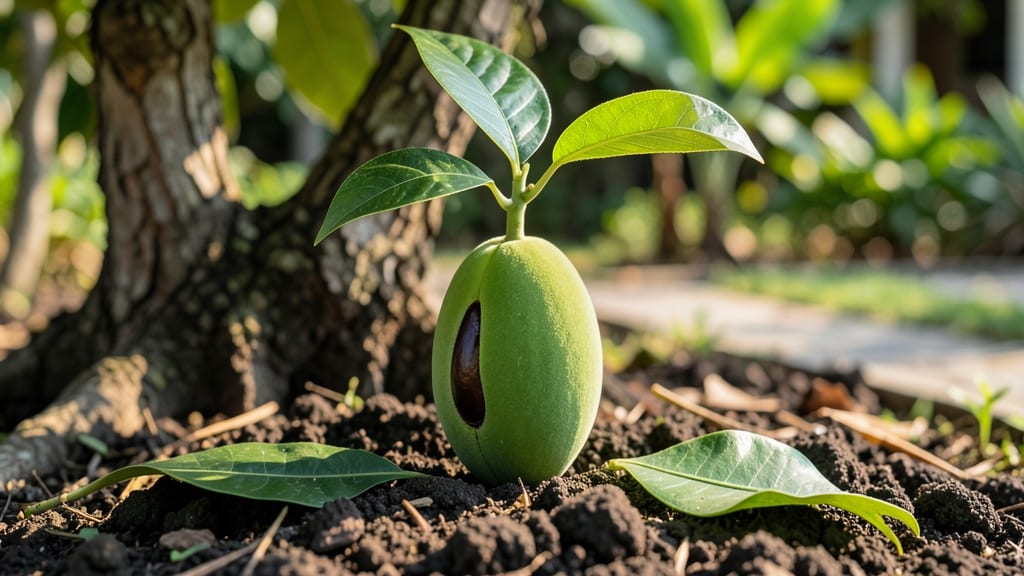
Growing a mango tree from a seed pod is one of those projects that feels like magic—until you see that first tiny sprout. 🌱 The key to fast germination isn’t just patience; it’s knowing exactly how to prep the seed, when to plant, and how to keep it cozy until it breaks through.
I’ve turned store-bought mango pits into thriving seedlings, and I’ll show you how to skip the months-long wait for sprouts.
You’ll need just a few simple supplies: a ripe mango (the fresher, the better), a small pot with drainage, moist potting mix, and a plastic bag to create humidity. The trick is mimicking tropical conditions—warmth, moisture, and indirect light—so the seed doesn’t dry out or rot.
Most people rush this step, but taking the time to prep the pit right makes all the difference.
Within 2-4 weeks, you’ll see that first green shoot, and by 3 months, you’ll have a sturdy seedling ready for repotting. The trade-off?
Seed-grown mangoes won’t produce fruit true to the parent tree—grafting is needed for quality fruit—but the journey is worth it for the satisfaction of growing something from scratch.
Perfect for warm climates (zones 10-11) or indoor growers with bright light. Even if you’re not in a tropical zone, starting the seed indoors gives you a head start. Let’s get those sprouts growing!
📚 In This Guide
- What you need
- Instructions
- Tips and common mistakes
- Wrapping up and next steps
What you need
- ● Mango seed pod: 1 fresh, ripe mango (preferably organic or pesticide-free) – save the seed after eating!
- ● Paper towels or coffee filters: 2-3 sheets (for moisture control)
- ● Plastic bag or container: 1 (with a zip-top or lid) – small enough to hold the seed + paper towels
- ● Water: Distilled or room-temperature tap water (avoid chlorine)
- ● Small pot or container: 1 (4-6 inches wide) with drainage holes – terra cotta or biodegradable pots work best
- ● Potting soil: 1 bag (well-draining, organic mix) – avoid heavy garden soil
- ● Spray bottle: 1 (for gentle watering)
- ● Twine or rubber band: 1 (to secure the plastic bag)
- ● Seedling heat mat: 1 (speeds up germination in cooler climates)
- ● Humidity dome or plastic wrap: 1 (alternative to the bag method)
- ● Fertilizer: Balanced liquid fertilizer (diluted to half-strength) – wait until sprouts appear
- ● Grow lights: 1-2 (if natural light is limited)
- ● Label or marker: 1 (to track planting date)
Step-by-Step instructions for germinating mango seeds
Here's how to coax those stubborn mango pits into sprouts—no special equipment needed.
🌱 Step 1: Extract and Prepare the Seed
Crack open the mango pod carefully with a nutcracker or hammer—aim for the flat side where the seed sits. Remove the seed and rinse off any remaining fruit pulp under running water. The seed's outer shell is tough, so I like to score it lightly with a knife (about ¼ inch deep) on one side. This tiny nick helps water penetrate later.
Place the seed between two paper towels, then fold the towels so the seed is snug but not crushed. Dampen the towels with lukewarm water until they feel moist but not dripping. This setup mimics the humid conditions seeds need to germinate. Store the wrapped seed in a plastic bag with a few small holes poked in the top to retain moisture while allowing airflow.
💧 Step 2: Germinate in Warmth and Darkness
Keep the seed in a warm spot—think 75-85°F, like on top of your fridge or near a sunny window without direct light. You'll see the first signs of germination in 2-4 weeks, when a tiny white root emerges from the scored side. This is your signal to stop waiting and start preparing for planting.
Check the paper towels daily—if they dry out, mist them lightly with water. Overwatering here causes rot, so squeeze the towels gently to test moisture. You want them damp like a wrung-out sponge, not soggy. Once the root reaches about 1 inch long, it's time to move to soil.
☀️ Step 3: Plant the Sprouted Seed
Fill a small pot (at least 3 inches deep) with well-draining potting mix. I like to mix in a little perlite to prevent compaction. Make a hole about 1 inch deep and gently place the sprouted seed in, root-first. Cover it lightly with soil, leaving the top half of the seed exposed—this helps prevent rot as it grows.
Water gently until the soil feels evenly moist, then place the pot in bright, indirect light. Avoid direct sunlight at first—young seedlings can get sunburned. You'll notice the first true leaves (not the initial seed leaves) appear in 3-6 weeks. This is when the real growth spurt begins.
🌿 Step 4: Care for the Seedling
Once the seedling has 2-3 sets of true leaves, it's ready for a slightly larger pot (about 5 inches deep). Transplant carefully, keeping the soil ball intact to avoid damaging the roots. Mango seedlings need bright light for 6+ hours daily, so a south-facing window or grow light is ideal.
Water when the top inch of soil feels dry, but avoid letting the soil stay soggy. Yellowing leaves usually mean overwatering, while crispy edges signal underwatering. Fertilize lightly with a balanced liquid fertilizer (diluted to half strength) once a month. Real talk: Mango trees grow slowly—don't expect fruit for years, but the journey is half the fun.
Tips & tricks for fast mango seed sprouting
Here's what nobody tells you about speeding up those stubborn mango seeds—tricks that cut weeks off your wait time.
Scoring Strategy: That ¼-inch nick in Step 1 isn't just decorative—it's your secret weapon. I learned this the hard way after watching seeds sit for months without sprouting. Make the cut on the side where you'll see the root emerge first. Use a sharp knife and go slow; pressing too hard can crack the seed and invite rot.
Heat Hack: The 75-85°F range is perfect, but most kitchens hover around 70°F. Place your seed setup on top of your fridge or near a sunny window (without direct light) to maintain consistent warmth. For faster results, I've used a seedling heat mat on low—this can shave 3-5 days off germination time. Just monitor closely to avoid overheating.
Moisture Management: The "wrung-out sponge" test in Step 2 is crucial. Too much moisture causes rot, while too little slows growth. I like to use a spray bottle for daily misting instead of soaking the towels—this gives better control. Pro tip: If you notice mold (fuzzy white spots), discard the seed immediately and start fresh with dry towels.
Light Transition: When moving your 1-inch root to soil in Step 3, don't rush the light adjustment. Start with bright indirect light for the first week, then gradually introduce direct sunlight over 3-4 days. Sudden sun exposure can scorch delicate new leaves. I've seen seedlings that looked perfect for weeks suddenly develop brown patches from too much sun too soon.
Pro Tips for Mango Seed Pod
- Here's what nobody tells you about speeding up those stubborn mango seeds—tricks that cut weeks off your wait time.
- Scoring Strategy: That ¼-inch nick in Step 1 isn't just decorative—it's your secret weapon. I learned this the hard w...
- Heat Hack: The 75-85°F range is perfect, but most kitchens hover around 70°F. Place your seed setup on top of your fr...
Frequently asked questions
Got questions about growing mango seed pods?
You’re not alone! Here are some of the most common queries—plus quick, actionable answers to help you succeed.
How long does it take for a mango seed pod to sprout?
A mango seed typically sprouts within 2 to 4 weeks when given the right conditions—warmth (75–90°F), moisture, and indirect light. Patience is key! If nothing happens after 6 weeks, check your seed’s viability (soak it in warm water for 24 hours—if it sinks, it’s still alive).
Can I grow a mango tree from a store-bought mango seed?
Yes, but there’s a catch! Store-bought mangoes are often hybridized for taste, not hardiness. Your seedling may not produce fruit identical to the parent plant. For better results, use seeds from a local, disease-resistant variety or source seeds from a nursery specializing in tropical fruit trees.
What’s the fastest way to speed up germination?
Try these pro tips to kickstart growth:
- Pre-soak the seed in warm water for 24–48 hours to soften the shell.
- Use a heat mat (75–85°F) to mimic tropical conditions.
- Plant vertically with the pointed end up—this mimics natural growth.
What do I do if my mango seed pod rots instead of sprouting?
Rotting is usually caused by too much moisture or poor drainage. If you spot mold or a foul smell:
- Repot the seed in fresh, sterile potting mix (cactus/succulent mix works well).
- Reduce watering—only keep soil damp, not wet.
- Improve airflow by moving to a brighter spot (but avoid direct sun until sprouts appear).
Can I grow a mango tree indoors, or does it need outdoor conditions?
Mango trees thrive outdoors in USDA Zones 10–11, but you can grow a seedling indoors as a houseplant! Place it near a south-facing window or under grow lights for 12+ hours daily. Expect slower growth, and be prepared to transplant outdoors once temperatures stay above 50°F year-round.
Wrapping up and next steps
Growing a mango seed pod into a thriving plant is a rewarding journey that combines patience, care, and a little creativity! 🌱 With the right techniques—like proper moisture control, warmth, and a dash of creativity—you’ll soon be nurturing a tiny sprout into a potential fruit-bearing tree.
Whether you’re a gardening novice or a green-thumb enthusiast, this process is a fantastic way to connect with nature and watch life unfold right before your eyes.
Ready to take the next step? Start with just one seed pod today—your future mango tree is waiting! Share your progress with fellow plant lovers or explore more tropical gardening tips to keep the adventure growing. 🌴✨