
Lawn
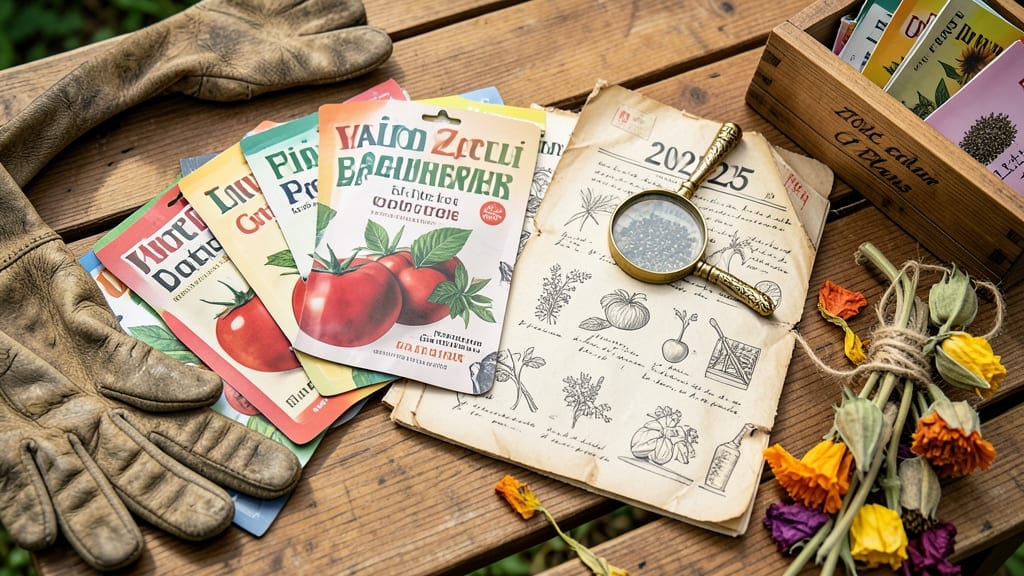
The 2025 seed catalogs just dropped, and they're packed with heirloom varieties that'll make your garden the talk of the neighborhood. ✨ I've been flipping through mine, and the rare finds this year—like 'Black Krim' tomatoes and 'Purple Striped' okra—are enough to make any gardener's heart race.
These catalogs aren't just seed lists; they're gateways to flavors and colors you won't find in stores.
Here's the secret: the best catalogs go beyond varieties. They include planting charts tailored to your zone, tips for succession planting, and even design ideas for mixing flowers and veggies.
I've already marked my calendar for early ordering—some rare seeds sell out by March, and you don't want to miss out on the exclusive varieties that make your harvest stand out.
What you'll end up with is a garden that feels like a living museum of flavors and textures. Imagine the deep purple of 'Black Beauty' eggplants next to the bright green of 'Early Girl' tomatoes—it's the kind of visual feast that makes gardening feel like art.
Plus, these heirlooms often outperform hybrid seeds in taste and adaptability.
Pro tip: use the catalogs to sketch your garden layout before ordering. Group plants by family to maximize space, and note which varieties need special care.
Early birds get the best selection, so set a reminder to order by January—your future self will thank you when you're harvesting those rare finds come summer.
📚 In This Guide
- What you need
- Instructions
- Tips and common mistakes
- Wrapping up and next steps
What you need
- ● Seed Catalogs 2025: Physical or digital copies of your chosen heirloom and rare seed catalogs (e.g., Baker Creek, Seed Savers Exchange, or local specialty vendors). Aim for 3–5 catalogs to compare varieties.
- ● Notebook or Digital Tracker: A dedicated journal or app (like Gardenize or GrowVeg) to log seed selections, planting dates, and notes. 1–2 notebooks or digital accounts suffice.
- ● Highlighters or Sticky Notes: For marking favorite varieties, planting zones (check your USDA Hardiness Zone Map), and special instructions. 3–4 colors work well.
- ● Ruler or Measuring Tape: To plan garden beds or containers based on mature plant sizes listed in catalogs. 12–24-inch ruler is ideal.
- ● Pencil and Eraser: For quick sketches or adjustments to your garden layout.
- ● Seed Starting Supplies: Biodegradable seedling pots (50–100 count)
- ● Seed starting mix (1–2 cubic feet)
- ● Grow lights or a sunny windowsill (6–12 hours of light/day)
- ● Garden Planning Tools: Graph paper or a garden planning app (e.g., Planter)
- ● Compass or sunlight tracker to map your garden’s microclimates.
- ● Reference Books: Guides like The Heirloom Gardener or Seed to Seed for advanced techniques.
How to select and order from seed catalogs for 2025
Here's how I narrow down the best heirloom varieties and rare finds every season.
📜 Step 1: Identify Your Garden's Climate Zone and Needs
First, check your USDA hardiness zone—this determines which varieties will thrive. I always start by marking my zone on each catalog's planting chart. For example, if you're in zone 5, avoid tropical varieties like 'Black Krim' tomatoes that need zone 7+ warmth to ripen properly.
Next, decide what you'll actually use. I circle only the vegetables, herbs, and flowers I'll cook with or enjoy fresh. Last year, I ordered 12 varieties but only grew 4 successfully—mostly because I ignored my kitchen habits. Make a realistic list based on what you'll eat, not what looks pretty.
🌱 Step 2: Compare Heirloom vs. Hybrid Seeds
Heirloom seeds (like 'Brandywine' tomatoes or 'Mammoth Melting' onions) save true to type, but often have shorter shelf life and lower disease resistance. I prioritize heirlooms for flavors I can't find elsewhere, but I always include 1-2 hybrid varieties (like 'Sugar Sprint' beans) for reliability in less-than-perfect conditions.
Check the catalog's seed viability dates—most heirlooms last 2-3 years, while hybrids often last 5+. I mark a reminder in my calendar to test germination rates by soaking seeds in water for 24 hours before planting. If fewer than 80% float, they're too old to risk.
☀️ Step 3: Evaluate Planting Dates and Days to Maturity
I use a highlighter for early, mid, and late season varieties. For example, 'Early Girl' tomatoes mature in 50 days, perfect for short seasons, while 'Cherokee Purple' takes 80 days—ideal for longer growing areas. Cross-reference with your last frost date to avoid disappointment.
Pay attention to succession planting notes. Some catalogs suggest planting lettuce every 2 weeks for continuous harvests. I always order extra seeds for second plantings of fast growers like radishes or bush beans to extend my harvest window.
📦 Step 4: Order from Multiple Reputable Sources
Never rely on one catalog—diversity ensures you'll get what you need. I order from at least 3 sources: one specialty heirloom supplier (like Baker Creek), one mainstream catalog (like Park Seed), and one local seed swap group. This spreads risk if one shipment gets delayed.
Check shipping deadlines—most catalogs recommend ordering by January for spring planting. I set calendar alerts for each supplier's cutoff dates. Some offer "seed swaps" where you can trade duplicates for varieties they don't carry—great for rare finds.
⏰ Step 5: Organize and Store Seeds Properly
When seeds arrive, I immediately sort them by type and maturity date. I use small envelopes from the catalog (they often include planting charts) and label with the variety, year, and source. Store in a cool, dark place—my basement stays around 50-60°F, perfect for seed longevity.
Most seeds last 1-5 years, but I test germination every 2 years. The float test works best: drop 10 seeds in water for 24 hours. If 8+ sink, they're good to plant. I keep a spreadsheet tracking viability so I don't accidentally use ancient seeds.
Tips & tricks for perfect seed catalog selection
Took me years to refine this process—here's how I avoid common pitfalls and maximize my garden's potential.
Climate Zone Deep Dive: Don't just glance at the zone chart! Use your local extension service's microclimate data to adjust. I discovered my backyard's southwest corner is actually zone 6 instead of 5, which lets me grow peppers that wouldn't survive elsewhere in my zone. Mark these variations directly on your catalog's planting chart with colored pencils for quick reference.
Flavor vs. Reliability Balance: The 80/20 rule works perfectly here: 80% of your order should be varieties you've grown successfully before, with 20% new experimental varieties. I keep a garden journal noting which heirlooms (like 'Cherokee Purple' tomatoes) deliver consistent flavor and which hybrids (like 'Sugar Sprint' beans) handle my less-than-perfect growing conditions. This prevents disappointment when rare varieties fail.
Seed Viability Test Timing: That 24-hour float test is your secret weapon—don't skip it! I schedule this test for the same day I receive my seeds. Place seeds in a clear glass with water and mark the water level before adding them. After 24 hours, remove seeds that float (they're non-viable). The ones that sink are good to plant, but I still label them with the test date to track their remaining viability over time.
Succession Planting Calendar: Create a simple spreadsheet with your last frost date and work backward. For example, if your last frost is May 15, and you want continuous lettuce harvests every 2 weeks, mark planting dates every 14 days starting 6 weeks before your last frost. I color-code by variety (green for lettuce, red for radishes) to visualize my planting schedule at a glance.
Pro Tips for Seed Catalogs 2025
- Took me years to refine this process—here's how I avoid common pitfalls and maximize my garden's potential.
- Climate Zone Deep Dive: Don't just glance at the zone chart!
- Flavor vs.
Frequently asked questions
Got questions about navigating the seed catalogs 2025? You’re not alone! Here are answers to the most common queries—from timing and variety selection to troubleshooting—so you can dive into gardening with confidence.
What’s the best time to order heirloom seeds for the 2025 growing season?
Most seed catalogs recommend ordering 6–9 months before your last frost date—typically between September and December for spring planting. Early orders secure rare varieties, while last-minute shoppers may face limited stock. Pro tip: Check your catalog’s estimated shipping times to avoid delays!
How do I choose between heirloom and hybrid seeds in 2025 catalogs?
Heirloom seeds (like those in 2025 catalogs) offer unique flavors and save-able seeds, but may have shorter shelf lives. Hybrids often boast disease resistance and uniformity. For rare finds, prioritize heirlooms—but hybrids can be easier for beginners. Consider your climate: Some heirlooms thrive in specific zones!
Are digital seed catalogs as reliable as printed ones for rare varieties?
Many 2025 seed catalogs now offer digital versions with interactive plant guides, growing timelines, and instant ordering. Printed catalogs may highlight rare finds better, but digital options often include video tutorials and community forums. Look for catalogs with seed-saving tips—digital ones often update varieties faster!
What should I do if my seeds arrive damaged or don’t germinate?
First, check the packaging date—seeds typically last 1–5 years. If damaged, contact the seller immediately; most reputable catalogs offer replacements or refunds. For germination issues, try soaking seeds overnight or adjusting soil moisture. Some rare varieties need stratification or scarification—check the catalog’s growing notes!
Can I save money by ordering seeds from multiple 2025 catalogs?
Yes! Many catalogs offer bundles or discounts for bulk orders. Compare shipping costs too—some specialize in rare seeds (higher prices) while others focus on affordability. Join seed swaps or local gardening groups to trade extras. Just ensure you’re not missing out on limited-edition varieties by splitting orders!
Wrapping up and next steps
Exploring seed catalogs 2025 is like unlocking a treasure chest of heirloom varieties and rare botanical gems—perfect for transforming your garden into a thriving, unique sanctuary. Whether you're drawn to nostalgic flavors, climate-resilient plants, or cutting-edge organic hybrids, the right seeds can turn your green space into a masterpiece.
Now that you’re armed with knowledge, take the next step: sketch your dream garden, jot down your top seed picks, and start planning your planting timeline!
🌱 Pro tip: Bookmark your favorite catalogs, set reminders for early-bird discounts, and don’t forget to share your finds with fellow gardening enthusiasts—community grows together! Happy planting! 🌿