
Lawn
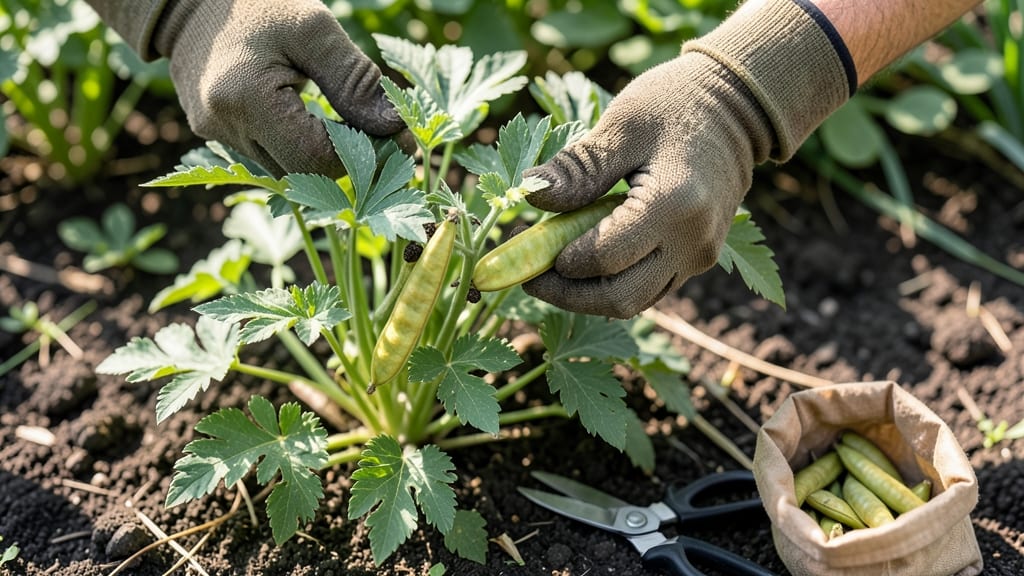
Those wild mustard seed pods popping up in your lawn aren’t just weeds—they’re a free source of seeds and soil boosters. 🌱 I’ve learned to see them as nature’s gift rather than a nuisance, and once you harvest them, you’ll understand why gardeners and ecologists both value wild mustard.
The key is timing: collect the pods when they’re dry but before they shatter, usually in late summer or early fall, and you’ll get viable seeds for propagation or compost.
You’ll need basic supplies: gloves (to protect your skin from the tiny hairs), scissors or pruners, and paper bags for collection. Wild mustard thrives in poor soil and full sun, which is why it often invades lawns—it’s tough and adaptable.
But that same hardiness makes it useful for erosion control or as a cover crop. The seeds themselves are edible (milder than cultivated mustard) and can be scattered to attract pollinators or used as a green manure.
Once harvested, you’ll have seeds that can be pressed into oil, sprouted for salads, or scattered to improve soil fertility. The plants also break up compacted soil naturally, making them a low-maintenance option for gardeners who want to reduce tilling.
Just be mindful: if you’re not using them, they’ll self-seed aggressively—so either collect them or pull them before they go to seed.
This method works for anyone dealing with wild mustard, whether you’re a gardener looking for free seeds or a homeowner tired of pulling it back.
The secret is turning a "problem" plant into a resource—something I’ve done with my own patch of mustard, now used for both soil improvement and homegrown seasoning. Let’s make the most of those bright yellow pods before they vanish.
📚 In This Guide
- What you need
- Instructions
- Tips and common mistakes
- Wrapping up and next steps
What you need
- ● Gloves (nitrile or garden gloves) – Protects hands from prickly pods and potential skin irritation.
- ● Scissors or pruning shears – Sharp, clean pair for cutting stems (4-6 inch blades recommended).
- ● Large paper bags or breathable mesh bags – At least 2-3 bags (12x18 inches) to collect pods without crushing them.
- ● A flat tray or baking sheet – For drying pods indoors (preferably lined with parchment paper).
- ● Small bowls or jars with lids – For storing dried seeds (4-8 oz capacity).
- ● Labeling markers or tags – To mark seed varieties and harvest dates.
- ● Sunny outdoor space or greenhouse – For initial drying (direct sunlight, 70-80°F ideal).
- ● Magnifying glass – Helps spot mature pods among greenery.
- ● Seed winnowing tray or fan – For separating seeds from chaff post-harvest.
- ● Humidity monitor – Ensures pods dry at optimal moisture levels (30-40% humidity).
- ● Compost bin or soil amendment container – If using pods for mulch or soil enrichment.
- ● Camera or sketchbook – To document plant stages for future reference.
How to harvest wild mustard seed pods for seeds and soil health
Here's my go-to method for collecting viable wild mustard seeds while improving your garden's fertility.
🌿 Step 1: Identify Mature Seed Pods
Wait until the wild mustard plants have produced fully brown, dry seed pods—they'll look like tiny, elongated capsules hanging from the stems. I always check in late summer or early fall when the pods have turned crispy to the touch. Avoid harvesting green pods, as the seeds inside won't be mature enough to store.
Gently grasp the stems near the base and pull upward to avoid damaging the roots. If the pods are still attached but the plant pulls easily, it's ready. You'll see the pods split open naturally when fully dry, releasing seeds—this is the perfect time to collect them. Wear gloves if you're sensitive to plant sap, as wild mustard can cause mild skin irritation.
✂️ Step 2: Collect and Dry the Seed Pods
Spread the harvested pods on a clean, dry surface in a single layer. I use a baking sheet lined with parchment paper for easy cleanup. Place them in a warm, dry spot with good airflow—like a sunny windowsill or under a fan—to dry completely. This process takes about 3-5 days, depending on humidity levels.
Check daily and gently shake the pods to release any seeds that have dried enough to fall out. Once the pods are completely brittle and crumble easily between your fingers, they're ready for seed extraction. If you notice mold or moisture, spread them out again to dry further—this prevents seed spoilage.
🌱 Step 3: Extract and Store the Seeds
Place the dried pods in a clean paper bag and shake vigorously to release the seeds. I like to do this over a tray or another bag to catch any stray pods or debris. The seeds will look small and dark, almost like tiny black specks. Sift through the mixture to remove any remaining plant debris or empty pods.
Store the seeds in an airtight container, like a small glass jar, in a cool, dark place. Label the container with the harvest date—wild mustard seeds stay viable for about 2-3 years if stored properly. For best results, use them within a year to ensure high germination rates. If you're not ready to plant, keep the seeds in a dry environment to prevent moisture damage.
💧 Step 4: Return Plant Debris to the Soil
Once you've extracted all the seeds, the remaining plant material—stems, leaves, and empty pods—can be chopped up and mixed back into your garden soil. Wild mustard is a fantastic green manure, breaking down quickly to add nitrogen and organic matter. I spread the chopped debris evenly over garden beds or compost piles.
If you're adding it directly to the soil, lightly water the area to help the material decompose faster. Over time, this will improve soil structure and fertility, making it easier to grow other plants. It's a great way to recycle what would otherwise be garden waste while giving your soil a nutrient boost.
Tips & tricks for harvesting wild mustard seed pods
Here's what I've learned after harvesting wild mustard for years—these little tricks make all the difference between usable seeds and wasted effort.
Timing is Everything: The 3-5 day drying period in Step 2 is your best friend. I've learned the hard way that rushing this step leads to moldy seeds. If you live in a humid climate, consider using a small fan on low to circulate air without creating drafts that could scatter seeds. Place a thin layer of paper towels under the baking sheet to catch any stray seeds that might fall through.
Harvesting Technique: When pulling plants in Step 1, work on a clear day when the pods are completely dry. I use a small bucket with a lid to collect the plants—this prevents seeds from spilling out while transporting them home. If you're harvesting in a garden with other plants, lay down a tarp first to make cleanup easier and avoid losing seeds to the wind.
Seed Viability Check: Before storing your seeds in Step 3, do a quick float test: place a few seeds in a glass of water. Viable seeds will sink to the bottom within 10 minutes, while empty or damaged seeds will float. This simple test saves you from planting non-viable seeds later. I've found this especially helpful when harvesting from plants that might have been stressed by drought or pests.
Soil Return Strategy: For the plant debris in Step 4, I chop it into smaller pieces before adding to the soil—this speeds up decomposition. You can also create "tea" by soaking the chopped material in water for 24 hours, then straining and using the liquid as a nutrient-rich fertilizer. The nitrogen boost from wild mustard makes it perfect for compost or as a top dressing for hungry plants like tomatoes and peppers.
Pro Tips for Wild Mustard Seed Pods
- Here's what I've learned after harvesting wild mustard for years—these little tricks make all the difference between usable seeds and wasted effort.
- Timing is Everything: The 3-5 day drying period in Step 2 is your best friend.
- Harvesting Technique: When pulling plants in Step 1, work on a clear day when the pods are completely dry.
Frequently asked questions
Got questions about wild mustard seed pods? You’re not alone! Here are some of the most common concerns—plus quick answers to help you harvest, use, or troubleshoot like a pro.
When is the best time to harvest wild mustard seed pods?
Harvest pods when they’re fully mature but before they split open—usually late summer to early fall (August–October in most regions). Look for dry, brown pods that rattle when shaken. Wait too long, and seeds scatter!
How do I tell if the seeds inside are still viable?
Press a pod gently—if it releases seeds easily, they’re likely good. For extra assurance, crush a few seeds between your fingers: viable ones will feel firm and intact. Store them in a cool, dry place (like a paper bag) for up to 2 years.
Can I use wild mustard seed pods for anything besides seeds?
Dry pods make great natural mulch or compost accelerators—they break down quickly and add nitrogen to soil. You can also crush them into a fertilizer tea for a quick nutrient boost. Just avoid using pods from treated lawns!
Are wild mustard seed pods harmful to bees or wildlife?
Nope! Wild mustard is a pollinator-friendly plant that attracts bees, butterflies, and beneficial insects. However, avoid harvesting near roadsides (pesticide risk) or areas with heavy herbicide use. Let some pods stay for wildlife—balance is key!
What if my pods are moldy or smelly?
Discard any pods with dark spots, musty odors, or slimy textures—these signal mold or rot. Store pods in a well-ventilated container (like a mesh bag) to prevent moisture buildup. If mold appears, dry pods in sunlight for a day before storage.
Can I plant wild mustard seed pods in my lawn?
Yes! They’re great for erosion control and improve soil health, but they can spread aggressively. If you want them as a cover crop, mow or till before they go to seed. For ornamental gardens, deadhead pods early to limit self-seeding.
Wrapping up and next steps
Wild mustard seed pods are a treasure trove for gardeners and eco-conscious lawn enthusiasts! Whether you're harvesting seeds for propagation or leveraging their soil benefits, these resilient plants offer practicality and sustainability. Now that you’re equipped with the know-how, why not take the next step?
Start by identifying wild mustard in your yard, gather your tools, and begin your own seed-saving journey—or use them to boost your soil naturally. Every small action helps build a healthier, greener space! 🌱✨