
Planting
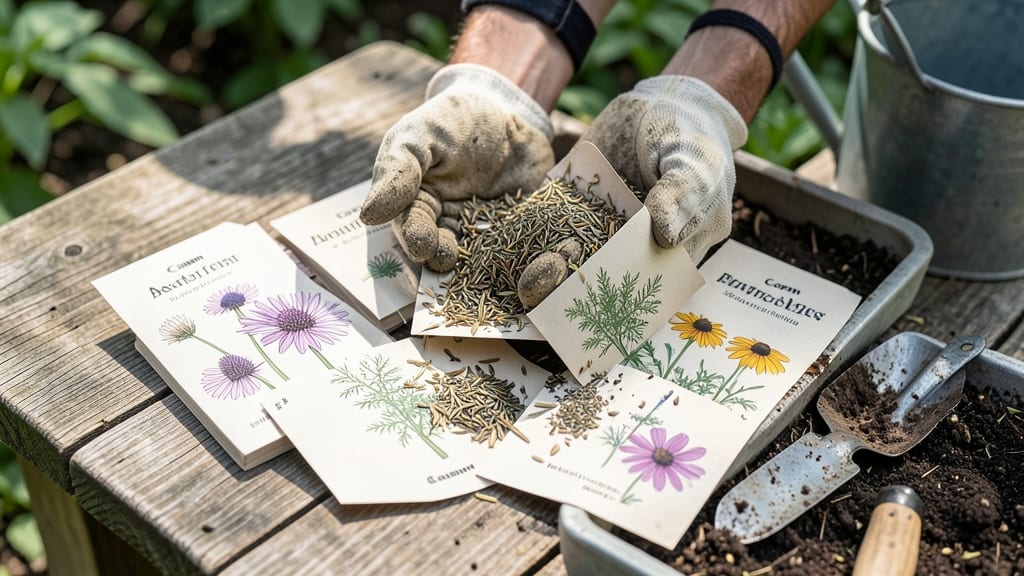
Cold-stratifying wildflower seed packets doubles your chances of vibrant blooms next spring. 🌸 I’ve learned that skipping this step means waiting years for germination—unless you want a patch of weeds instead of wildflowers. The secret lies in mimicking winter’s natural chill period right in your fridge or freezer.
Start with seeds labeled for your climate zone—native mixes thrive best. A simple tray, damp paper towels, and a sealed bag create the perfect cold-stratification setup. Most seeds need 4-8 weeks in the fridge before planting, but check your packet for specifics.
This trick works for stubborn seeds like black-eyed Susans and coneflowers that refuse to sprout otherwise.
By spring, you’ll see tiny green shoots breaking through the soil, signaling success. These early bloomers attract bees and butterflies within weeks, turning your garden into a pollinator paradise. The best part? Once established, wildflowers need almost no maintenance—just occasional watering and a little patience.
For rocky soil or weed competition, try planting in late fall instead. The cold helps seeds bypass dormancy while weeds struggle to establish. Whether you’re restoring a meadow or adding color to a border, this method guarantees lush, low-effort blooms for seasons to come.
📚 In This Guide
- What you need
- Instructions
- Tips and common mistakes
- Wrapping up and next steps
What you need
- ● Wildflower seed packets: Choose native or cold-hardy varieties (e.g., cosmos, black-eyed Susans, or poppies). Aim for 1–3 packets per planting area (check coverage rates on the label).
- ● Plastic storage bags: Use quart-sized or gallon-sized (1–2 per packet). Opt for resealable, freezer-grade bags for best results.
- ● Potting soil or vermiculite: 1–2 cups per bag. Moisture-retentive but well-draining mixes work best.
- ● Water: Room-temperature, not cold (to avoid shocking seeds). A spray bottle helps for gentle misting.
- ● Labeling tags or masking tape + marker: Essential for tracking seed types and stratification dates!
- ● Refrigerator or cold frame: Maintain 35–40°F (2–4°C) for 2–4 weeks (check seed packet instructions).
- ● Seedling trays or small pots: For transplanting after stratification (if not sowing directly outdoors).
- ● Grow lights or sunny windowsill: To give seeds a head start post-stratification.
- ● Humidity dome or plastic wrap: Keeps soil moist during germination (remove once sprouts appear!).
- ● Garden journal: Log dates, seed types, and growth progress for future reference.
How to cold-stratify wildflower seeds for reliable germination
This method breaks dormancy naturally—just like wildflowers do in nature.
🌱 Step 1: Prepare the Seeds for Stratification
Start by filling a resealable plastic bag with the wildflower seeds from your packets. Add a damp paper towel or a small handful of damp peat moss to create moisture without soaking the seeds. Seal the bag tightly to trap humidity, then place it in a refrigerator set to 35-40°F. This mimics the winter cold period wildflower seeds need to break dormancy.
I like to label the bag with the seed variety and date—some seeds require 4-8 weeks of cold treatment, while others need up to 12 weeks. Check the packet instructions, as stratification times vary by species. The goal is to keep the seeds consistently moist but not soggy; condensation inside the bag is normal and indicates proper humidity levels.
⏰ Step 2: Monitor and Rotate Weekly
After placing the bag in the fridge, check it once weekly to ensure the paper towel or peat moss remains damp. If it feels dry, lightly mist it with water and reseal the bag. This prevents mold growth while maintaining the necessary moisture for stratification.
Here's the thing—rotate the bag a quarter turn each week so seeds on all sides receive even exposure to cold. You'll see nothing dramatic yet, but this step ensures uniform germination later. Some seeds may start to sprout prematurely during stratification—if that happens, transfer them immediately to a warm, sunny spot to finish germination.
☀️ Step 3: Move to Warmth for Germination
Once the stratification period ends, remove the seeds from the fridge and place them in a warm, sunny location (around 65-75°F). I use a seed-starting tray with a clear dome to maintain humidity while the seeds germinate. Scatter the seeds on top of a moistened seed-starting mix—don’t bury them unless the packet specifies deeper planting.
Keep the mix consistently moist by misting lightly every 2-3 days until you see first true leaves emerge. Avoid overwatering, as soggy conditions can cause rot. You’ll notice tiny green shoots within 7-21 days, depending on the wildflower variety. This is your signal that germination is underway!
🌿 Step 4: Transplant Seedlings Carefully
When seedlings reach 2-3 inches tall and develop their first set of true leaves (not the initial seed leaves), they’re ready for transplanting. Fill small pots or a seedling tray with the same moistened seed-starting mix and gently press each seedling into the soil up to its first set of leaves. Water lightly to settle the soil around the roots.
Place the pots in a bright, indirect light area for the first week to help them adjust. After a week, gradually introduce them to direct sunlight for 2-3 hours daily, increasing exposure over 7-10 days. This hardening-off period prevents shock and ensures strong, resilient seedlings ready for outdoor planting in spring.
✂️ Step 5: Prepare for Outdoor Planting
Once seedlings are 4-6 weeks old and show 4-6 true leaves, they’re ready for their final outdoor home. Choose a location with full sun to partial shade, depending on the wildflower species. Dig small holes slightly larger than the root balls, place the seedlings in, and cover the roots with soil, pressing gently to eliminate air pockets.
Water deeply after planting to help the soil settle and encourage root growth. Mulch lightly with 1-2 inches of organic mulch to retain moisture and suppress weeds. Watch for new growth within 2-3 weeks—this confirms your seedlings have taken root and are thriving. With patience and care, you’ll soon have a vibrant wildflower meadow blooming next year!
Tips & tricks for perfect wildflower seed germination
These game-changing strategies will help you break dormancy like a pro and ensure your wildflowers thrive from the very start.
Temperature Precision: The 35-40°F refrigerator range is critical—this mimics nature's winter chill. If your fridge runs cooler, place the bag on the top shelf where it's slightly warmer. Use an appliance thermometer to verify temperatures, especially if you're using a mini-fridge or garage refrigerator. Consistency is key: even a few degrees difference can delay germination by weeks.
Moisture Management: The damp paper towel or peat moss should feel like a wrung-out sponge—not dripping, but not bone-dry either. I've learned the hard way that soggy conditions breed mold while dry conditions prevent germination. For extra insurance, place a small piece of aluminum foil between the seeds and moisture source to prevent direct contact, which can cause uneven moisture distribution.
Seed Rotation Strategy: That quarter-turn rotation in Step 2 isn't just about even exposure—it's about preventing seed clumping. Seeds tend to settle toward the bottom of the bag over time. By rotating weekly, you ensure all seeds receive equal cold treatment. Pro tip: Place the bag on a flat surface before rotating to avoid spilling seeds. This simple step can double your germination rates for seeds that might otherwise stay dormant.
Germination Timeline: While most wildflowers sprout within 7-21 days after moving to warmth, some varieties like lupines or penstemons can take up to 30 days. Don't be tempted to mist more frequently if you don't see sprouts yet—overwatering at this stage is the #1 cause of seed rot. Instead, check for condensation on the bag's interior weekly. If it's gone, it's time to add a few drops of water.
Pro Tips for Wildflower Seed Packets
- These game-changing strategies will help you break dormancy like a pro and ensure your wildflowers thrive from the very start.
- Temperature Precision: The 35-40°F refrigerator range is critical—this mimics nature's winter chill.
- Moisture Management: The damp paper towel or peat moss should feel like a wrung-out sponge—not dripping, but not bone-dry either.
Frequently asked questions
Got questions about wildflower seed packets? You’re not alone! Here are answers to the most common queries to help you grow a stunning meadow with confidence.
What’s the best time to plant wildflower seeds for next year’s blooms?
For cold-stratified seeds (like many wildflowers), plant in late summer or early fall—about 6–8 weeks before your first hard frost. This mimics winter’s natural chilling process, breaking dormancy so seeds sprout in spring. If planting in spring, refrigerate seeds for 2–4 weeks first to simulate cold stratification.
Do wildflower seed packets need special soil or sunlight?
Most wildflowers thrive in well-draining soil with full sun (6+ hours daily), but they’re tough! They tolerate poor soil, drought, and even rocky ground. Avoid heavy clay or waterlogged spots—these can suffocate seeds. A light scratch with a rake or hoe before planting helps seeds make contact with soil.
Can I reuse last year’s wildflower seed packets?
No—seeds lose viability over time, especially after 1–2 years. Check the packet for an expiration date (if listed) or test germination by soaking a few seeds in water for 24 hours. If they swell, they’re still good; if not, grab fresh seeds for the best blooms. Store unused packets in a cool, dry place if you plan to use them soon.
Will wildflower seeds attract pests like weeds or insects?
Wildflowers attract pollinators (like bees and butterflies), not pests! However, some seeds may sprout weeds if planted in disturbed soil. To minimize weeds, mow or till the area before planting and choose high-quality seed mixes labeled “weed-free.” Native wildflowers are the least likely to harbor invasive species.
What if my seeds don’t sprout after cold stratification?
Try these fixes:
- Check moisture: Keep soil consistently moist (not soggy) until sprouts appear.
- Verify depth: Most wildflower seeds need only ¼-inch coverage—too deep = no sprouts.
- Test viability: Plant a few seeds in a pot indoors under grow lights to see if they germinate.
- Wait longer: Some seeds (like lupines) take 30–60 days to sprout.
Wrapping up and next steps
Transforming your space into a vibrant wildflower haven is easier than you think—and the secret starts with a simple packet of seeds! 🌸 By mastering cold-stratification, you’re not just preparing for next year’s blooms; you’re nurturing a thriving ecosystem that attracts pollinators and brings joy to your garden.
The key is patience, consistency, and a little creativity—so grab those seeds and get ready to witness nature’s magic unfold.
Ready to take the next step? Start small: pick one wildflower mix, gather your supplies, and follow the steps with confidence. Before you know it, your garden will be bursting with color—and you’ll be the proud gardener behind it all! 🌱